A refrigerator dial may show a number without showing an actual temperature. The food can feel cool even when storage conditions are unsuitable. An appliance thermometer gives a more useful check, especially after a setting change or when something seems wrong. Read the appliance manual as well: controls, airflow requirements, and thermometer placement can differ between models.
Know the targets
USDA recommends a refrigerator temperature of 40掳F or below and a freezer at 0掳F or below. Use a thermometer intended for the appliance's temperature range. A built-in display may be helpful, but understand whether it shows a selected setting or a measured temperature; the manual should explain what the display represents.
Check readings under ordinary conditions rather than judging immediately after a door has been held open. Follow the appliance and thermometer instructions for placement and the time needed to obtain a reliable reading. If adjusting a control, allow the recommended stabilization time before deciding whether another change is needed.
Do not translate control numbers by guesswork
A control marked one through five does not necessarily correspond to degrees or to the same direction of adjustment as another appliance. Check the manual before turning it. If the manual is missing, obtain the version for the exact model from the manufacturer. Record the model information in the household maintenance file so it is available for future questions or service.
Once a suitable setting has been established, avoid changing it casually each time a drink feels insufficiently cold. Compare the thermometer reading and the recent conditions first. Frequent adjustments without allowing stabilization can make it harder to understand whether the appliance is performing consistently.
Leave room for the appliance to work
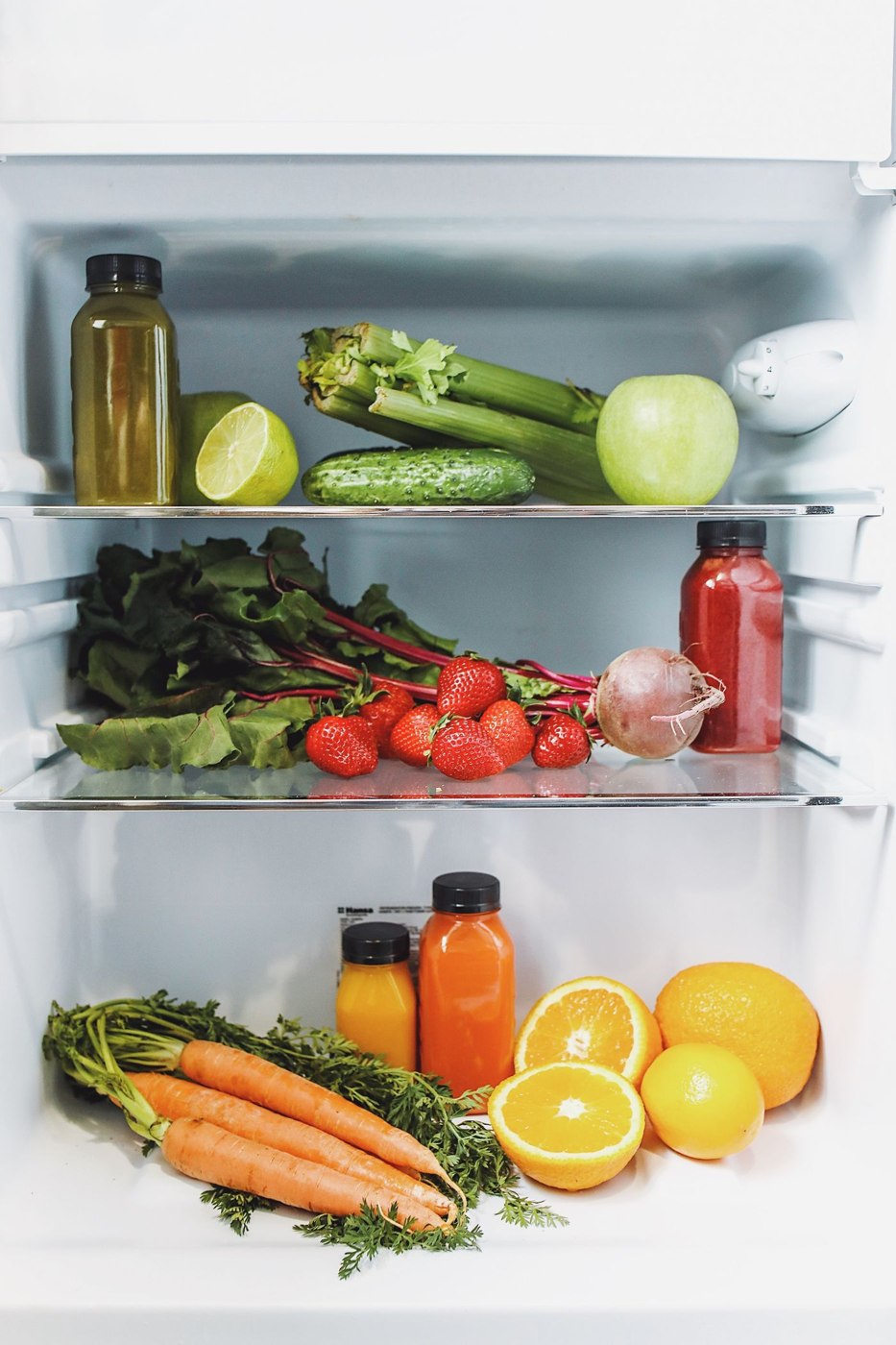
Store food so that the appliance's vents and intended airflow are not blocked. Avoid forcing a door shut against an overloaded shelf. Check that containers and drawers allow the door to seal properly. A package caught at the edge can affect the whole compartment even though the door appears almost closed.
Keep raw meat, poultry, and seafood contained so that juices cannot contaminate other food. Follow food-specific storage instructions rather than assuming that every location in the refrigerator is equally suited to every product. The appliance manual may identify compartments designed for particular uses.
Treat a concerning reading as information
If the temperature is outside the recommended range, check simple causes such as an open door, a blocked vent, or a control accidentally changed. Do not attempt electrical or refrigeration repairs beyond the work permitted in the manual. Contact a qualified service provider when the fault requires it.
Consider the food's time and temperature history, not only the current reading. Restoring the appliance to a cold temperature does not reverse unsafe exposure that already occurred. Consult authoritative food-safety guidance for the specific event and food. If you cannot establish that perishable food remained safe, do not use smell or a small taste as a test.
Prepare for interruptions
Know where the appliance manual and relevant emergency food-safety guidance are kept. A thermometer already in place can provide useful information during a power interruption. Keep door opening limited when cooling is interrupted, and follow current official guidance about what can be kept or must be discarded.
Avoid using a general household article as a complete power-outage decision chart. The duration, actual temperatures, food types, and condition of frozen items all matter. A verified official chart or advice from the relevant food-safety authority is more appropriate for a specific incident.
Make checking easy to repeat
Place the thermometer where its reading can be seen as instructed without dismantling a shelf. Include a check in a routine that already involves the appliance, such as planning meals or putting groceries away. Record an unusual reading and any action taken if that helps diagnose a recurring problem.
Temperature control works alongside prompt storage, suitable containers, and sensible food quantities. An organized shelf can support those habits, but attractive containers and a clean interior do not replace a reliable temperature check.