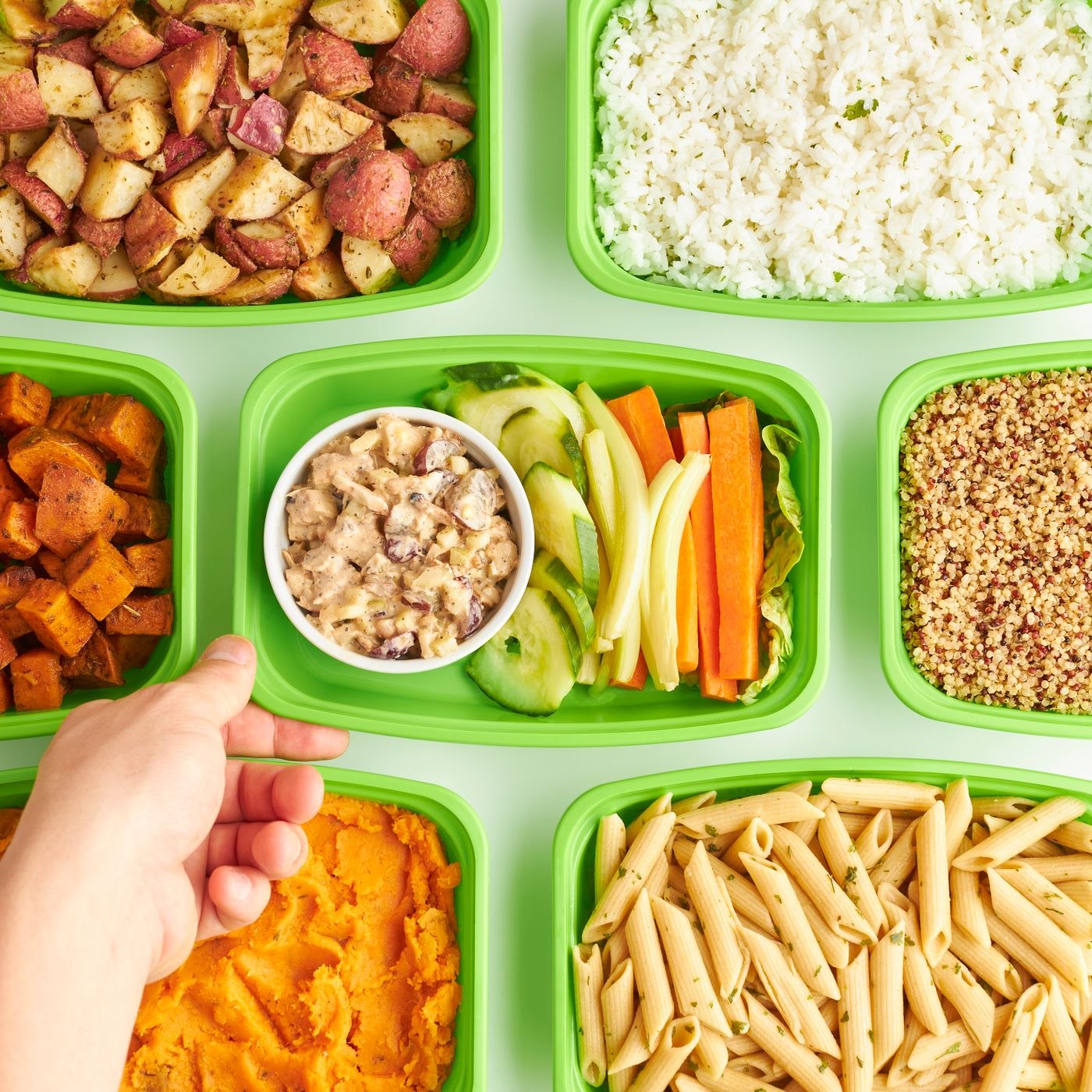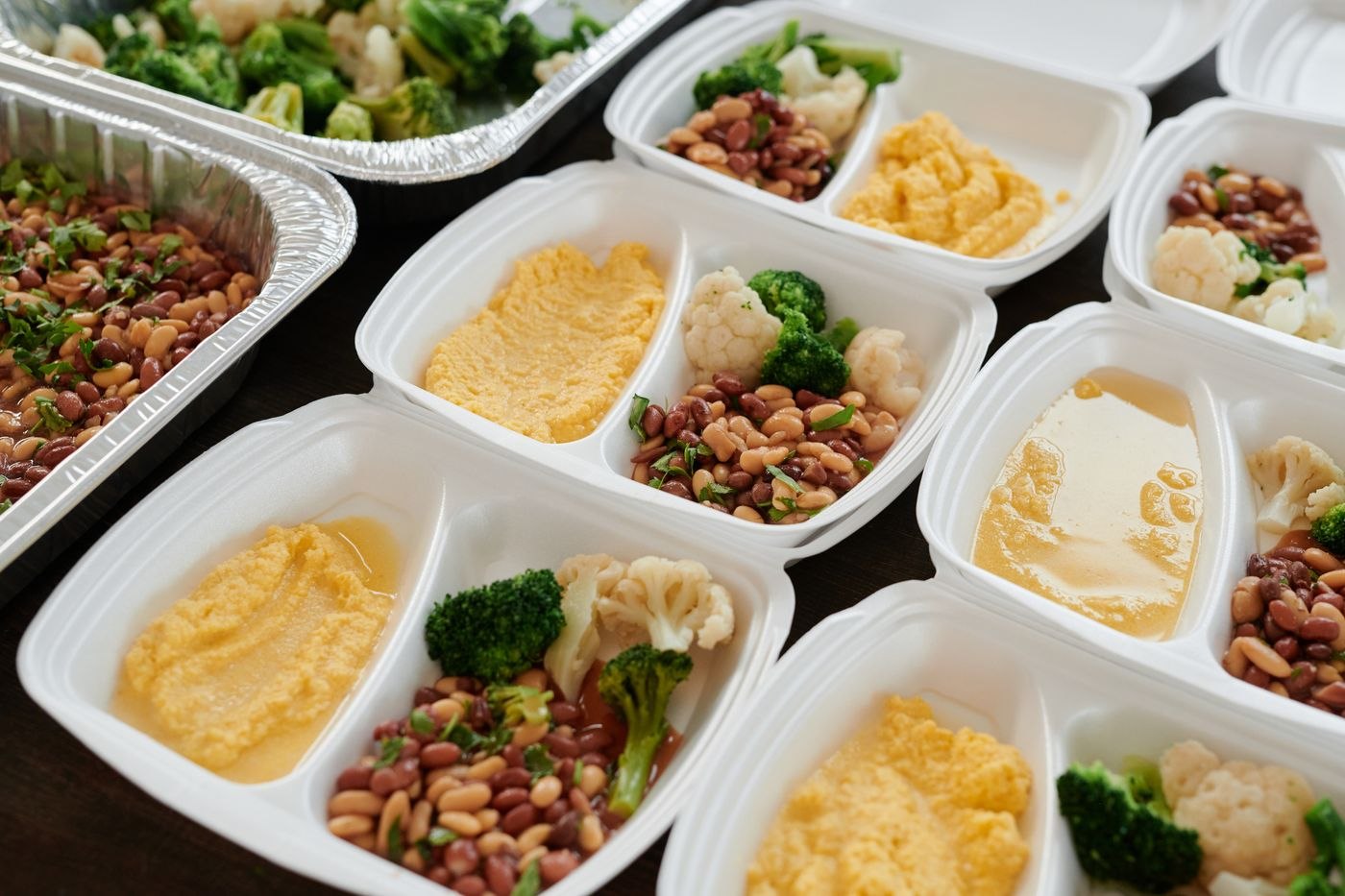
A covered container can become anonymous surprisingly quickly. The household may remember cooking several meals but not which one produced the food at the back of the refrigerator. A label connects the contents to a date and intended use. It is a memory aid, not a safety certificate: food that was handled incorrectly does not become safe because the label is neat.
Write the information someone else needs
Include a recognizable food name and the date it was prepared or placed into storage. State what the date means if there could be confusion. Use an unambiguous format such as Oct 24 rather than a string of numbers that different readers might interpret differently.
If the food is reserved for a particular meal or person, add that briefly. Mention relevant dietary or allergen information when needed, while retaining original product details elsewhere where appropriate. Avoid abbreviations that only the cook understands. A label should prevent opening and guessing, not create another code to learn.
Label as part of putting food away
Keep suitable labels and a pen near the storage supplies, away from food contamination. Write the label while the meal is still identifiable. Do not delay refrigeration to complete an elaborate labeling system. Safe handling comes first, and a short clear note is enough.
USDA generally recommends using refrigerated leftovers within three to four days. The relevant time depends on what the food is and how it has been handled; a new label does not restart an old storage period. Check the appropriate guidance for the specific food, especially where it was previously stored or thawed.
Give the label a useful location
Place it where it can be read without removing the lid. If containers are stacked, a side label may be easier to see than one on top. Use a method suitable for the container and storage conditions, and remove old labels when washing so they do not misidentify the next contents.
For frozen portions, include enough information to distinguish similar-looking meals and plan their use. Do not assume freezing repairs food that was already mishandled. The label should record an accurate history, not an optimistic date chosen to avoid waste.
Review before the next meal
Check labeled food when planning lunch or dinner. Use items within their appropriate storage limits and dispose of food whose safety is uncertain. Smell and appearance alone cannot confirm that a perishable food is safe, and tasting is not a safety test.
If leftovers are frequently discarded despite labeling, change the quantity cooked or the plan for using them. A smaller batch, a specific next-day meal, or timely freezing may be more helpful than adding further information to the label.