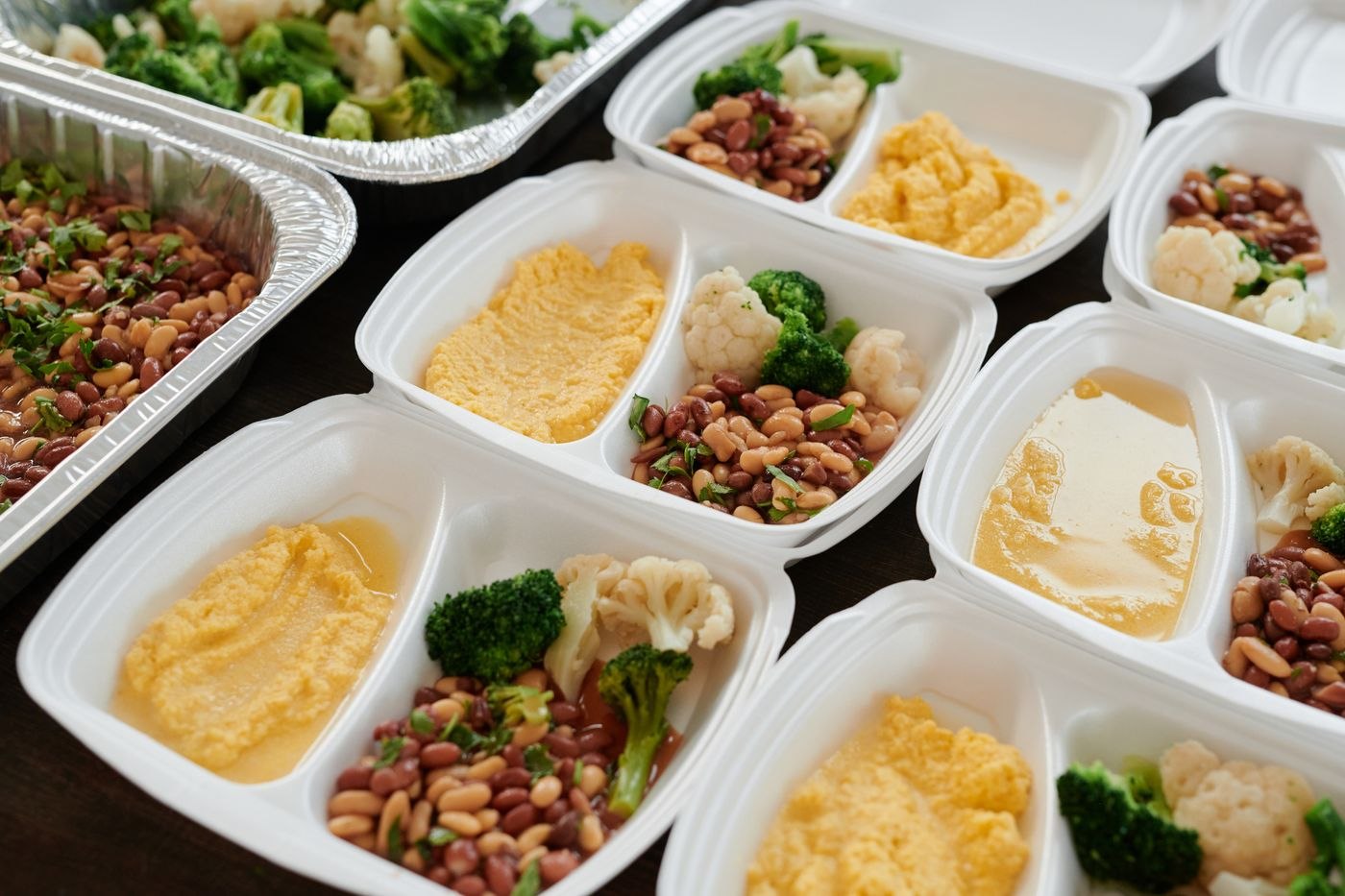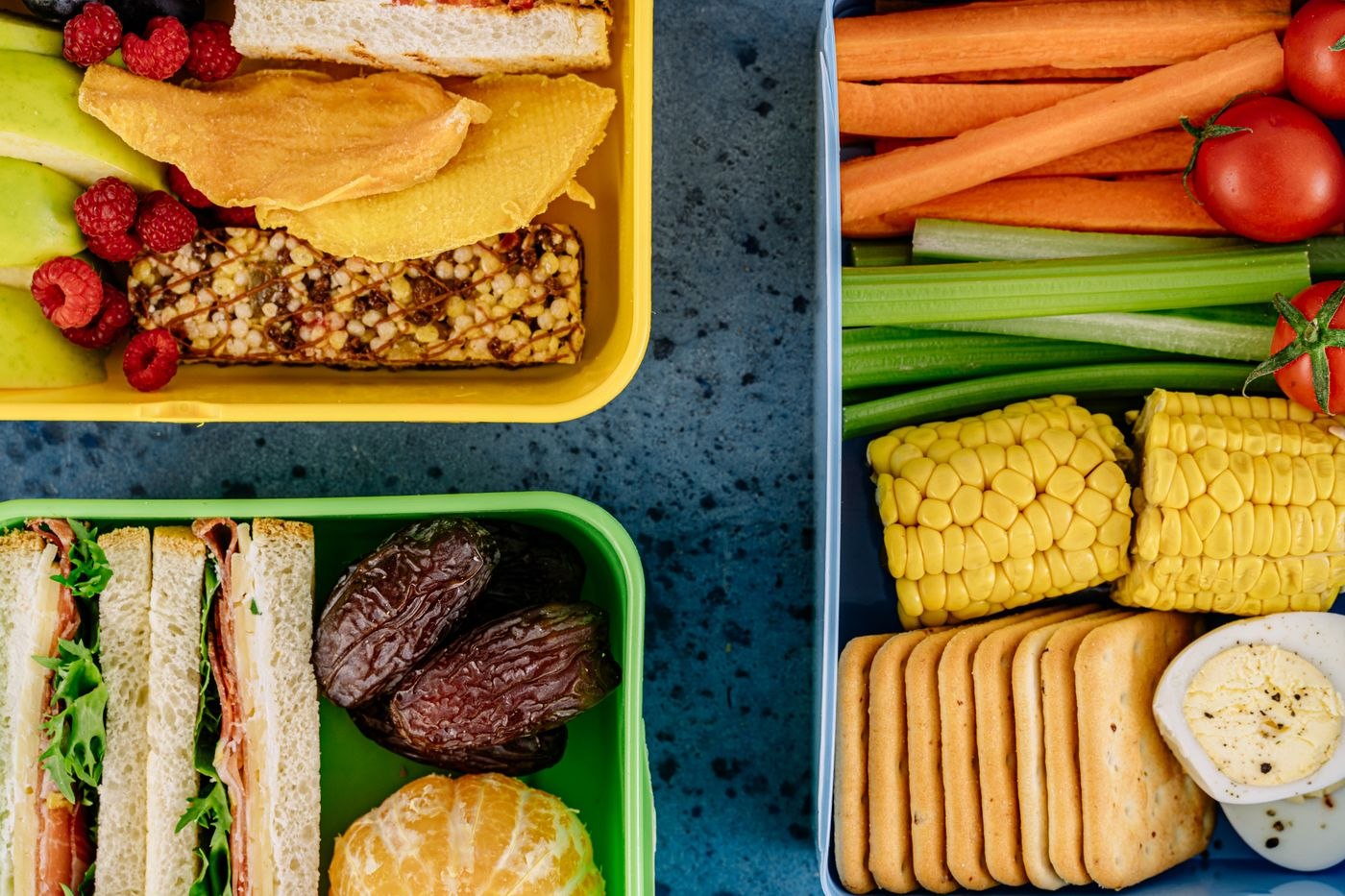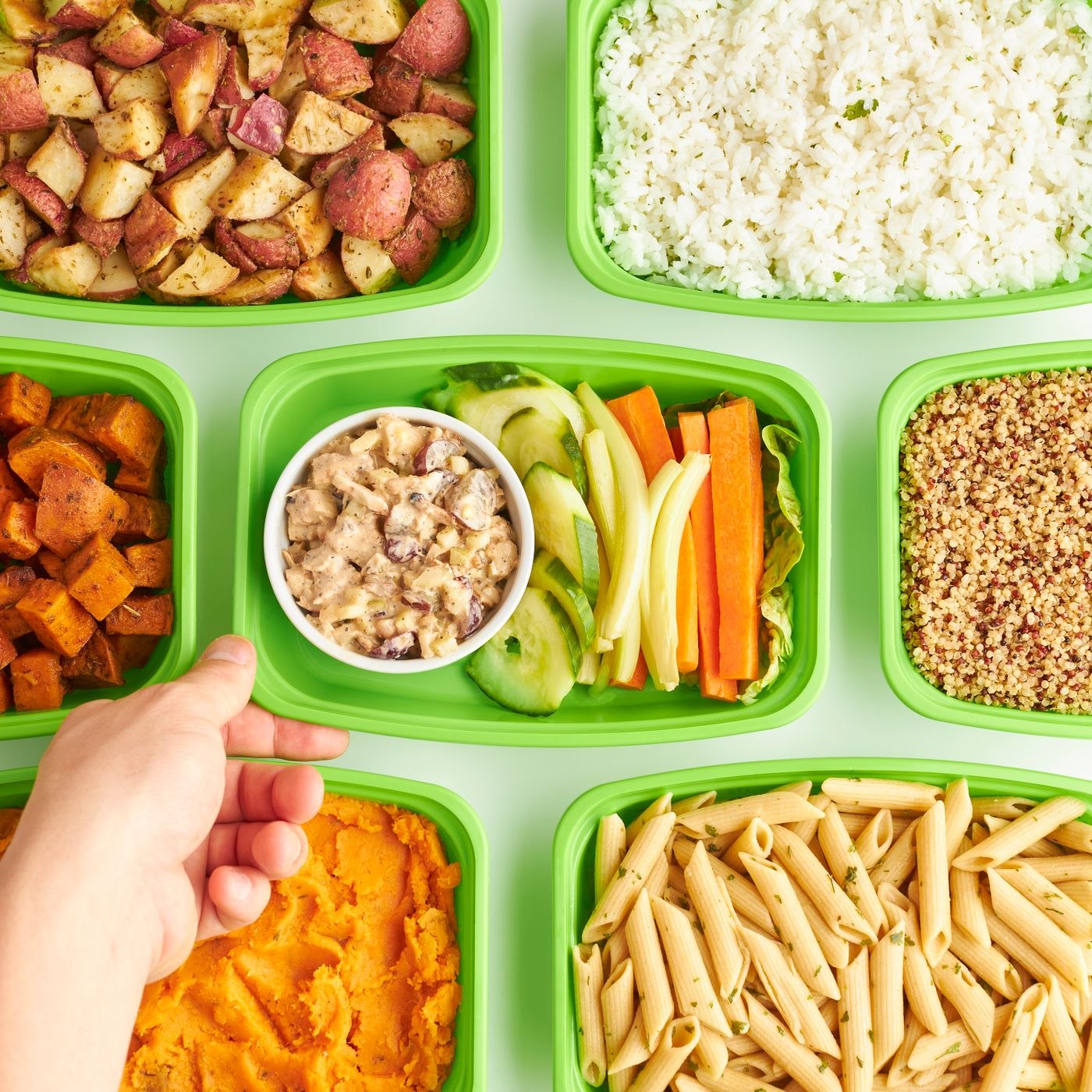
A container is useful only if it suits both the food and the way the household will use it. A very large tub may hold a whole batch of soup but be awkward for cooling and serving. Several tiny containers may create unnecessary washing for a meal that will be eaten together. Think about portions, storage, and reheating before comparing shapes or matching sets.
Start with the next meal
Decide whether the leftovers are intended for one person's lunch, a shared dinner, or the freezer. Choose portions that fit that use. Smaller individual portions can prevent reheating more than is needed, while a shared portion may reduce packaging when everyone will eat at the same time.
For perishable leftovers, USDA advises prompt refrigeration and dividing large quantities into shallow containers to cool quickly. Refrigerate within two hours, or within one hour when temperatures exceed 90掳F. Do not leave a large pot out until it reaches room temperature. These timing requirements matter more than making every portion perfectly equal.
Check what the container is designed to do
Read the manufacturer's guidance for food storage, freezing, microwave use, oven use, and washing. A container suitable for refrigeration is not automatically safe in an oven. Follow any instructions about lids, venting, thermal shock, and temperature changes. Keep the directions available if the symbols on the base are unclear.
Inspect containers and lids for damage or persistent wear that affects their use. Replace unsuitable pieces according to the manufacturer's advice. Do not use a food package for repeated storage or heating unless it is intended for that purpose. A convenient size alone does not establish suitability.
Measure the shelf, not just the volume
Check height between refrigerator shelves and whether a container fits without blocking required airflow. Rectangular shapes may use a particular shelf efficiently, but only if the lids close reliably and the containers can be lifted out. Avoid a stack that has to be dismantled to reach the food intended for the next meal.
Choose a few compatible sizes if that simplifies lid matching. There is no requirement to replace every existing container with a new set. Keep working pairs and identify gaps based on actual use. A drawer full of spare lids is not useful storage capacity.
Test a container before buying a large set
Use one size through a complete cycle: fill it with an ordinary portion, store it, carry it if needed, use it as directed, wash it, and put it away. Notice whether the lid is difficult to open, whether the shape leaves awkward shelf gaps, and whether the cleaned pieces dry readily. These small observations are more informative than comparing the number of pieces in two boxed sets.
Count lids and bases separately when reading a set description. Check how many complete usable containers are included and which sizes you would actually use. A large assortment is not necessarily useful if most pieces are too small for the household's usual meals.
Make the contents understandable
Label the food and the date it was prepared or stored, as appropriate, so another household member does not have to open each container. Keep the label readable after chilling or freezing. Include important dietary information where it is needed to prevent confusion.
Give the containers a visible place in the refrigerator and check them when planning meals. A well-chosen container cannot extend a food's safe storage period. Use food-specific guidance and the actual storage history, and discard food when its safety is uncertain rather than relying on appearance alone.
After use, clean and dry containers according to their instructions before nesting them. Store lids so they remain easy to identify. The best collection is the one that supports safe storage and ordinary meals without making packing or cleanup a separate sorting project.