The hardest part of separating raw ingredients is often the moment between tasks. A cutting board is occupied, the sink contains dishes, and a clean plate is needed before the pan is ready. Preparing the workspace before opening packages makes those moments less improvised. Think about where ingredients will start, where they will be cut, and where the finished food will go.
Give the finished food somewhere clean to land
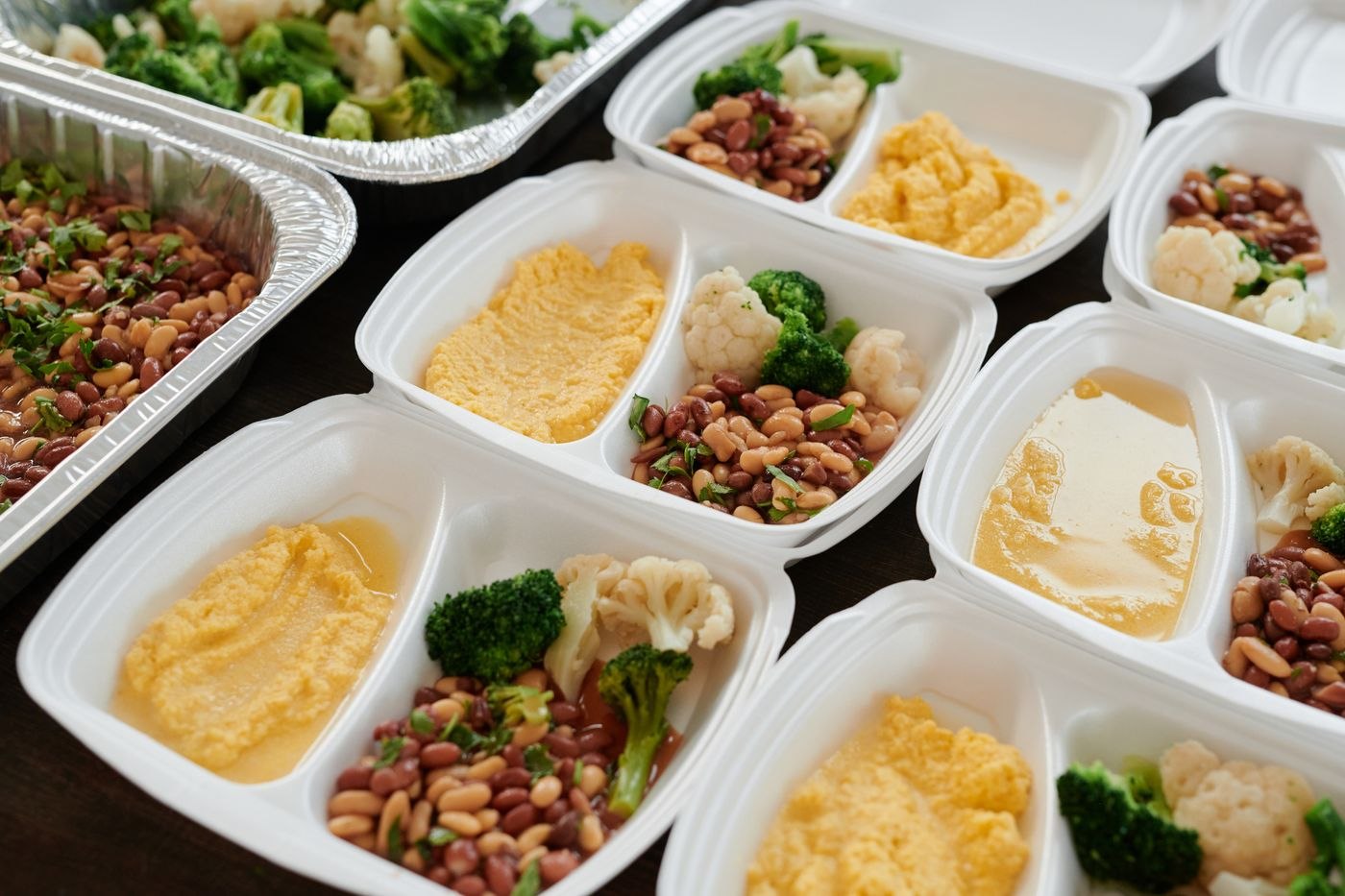
Set aside a clean serving plate or container before handling raw meat, poultry or seafood. Keep it away from their packaging and preparation area. A plate that carried raw food should not carry cooked food unless it has been washed. The distinction is about what touched the surface, not how tidy the surface looks.
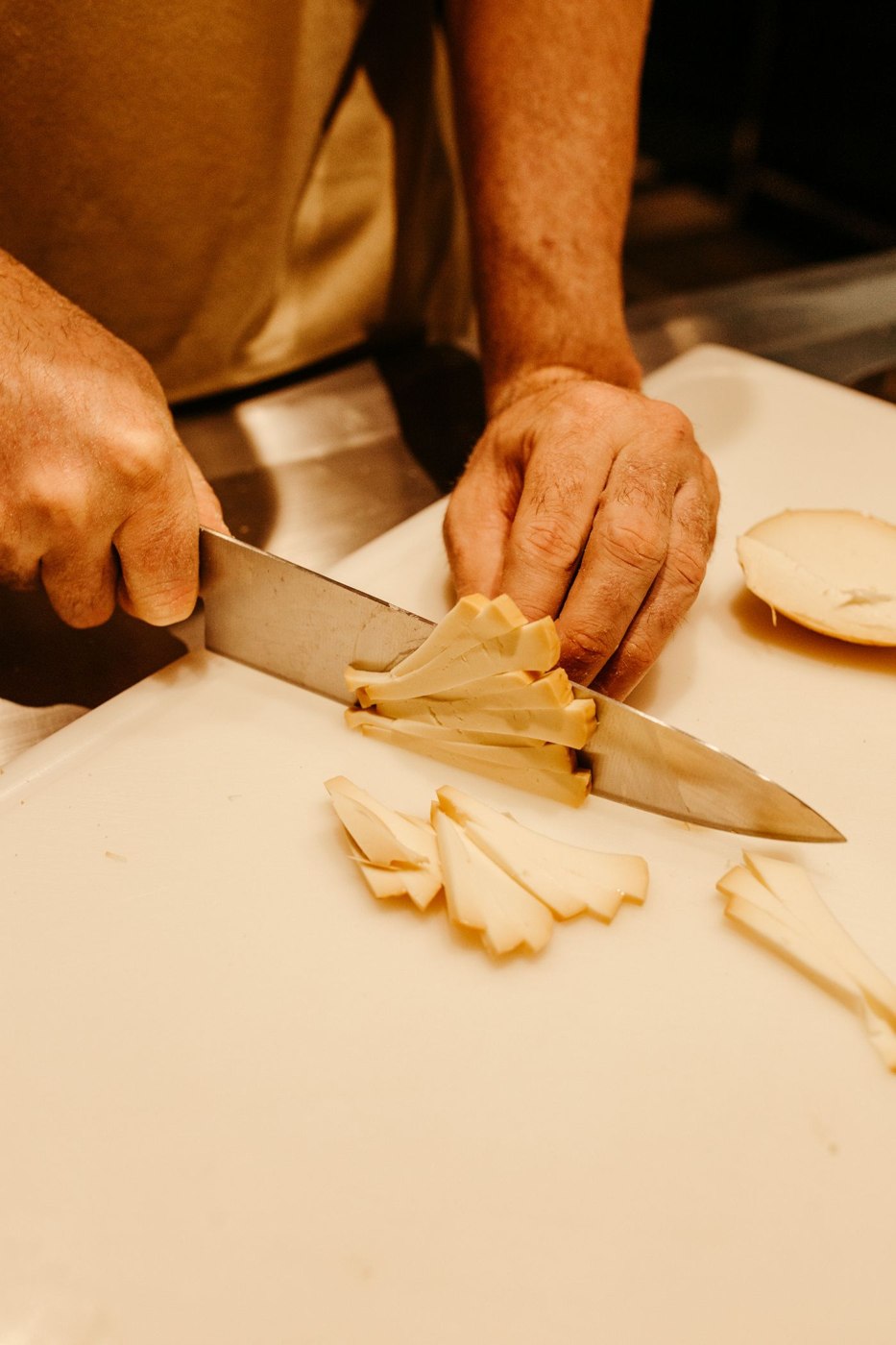
FDA guidance recommends separate cutting boards for fresh produce and raw meat, poultry or seafood. If your kitchen is small, the boards can be stored together when clean and dry; they do not need two permanent workstations. A clearly different shape or color can help the household recognize their intended uses without guessing.
Sequence a small kitchen
For a meal involving salad and chicken, you might prepare the salad first with clean equipment, put it safely aside, and then handle the chicken. This example reduces competing jobs on the counter. It does not remove the need to wash hands and clean equipment and surfaces between tasks.
Before starting, clear enough sink space for washing. Put the trash container within convenient reach so packaging does not travel across the room. Decide who will open cupboards or retrieve a forgotten ingredient if two people are cooking. A helper with clean hands can prevent the cook from touching several handles mid-task.
Extend the separation to storage
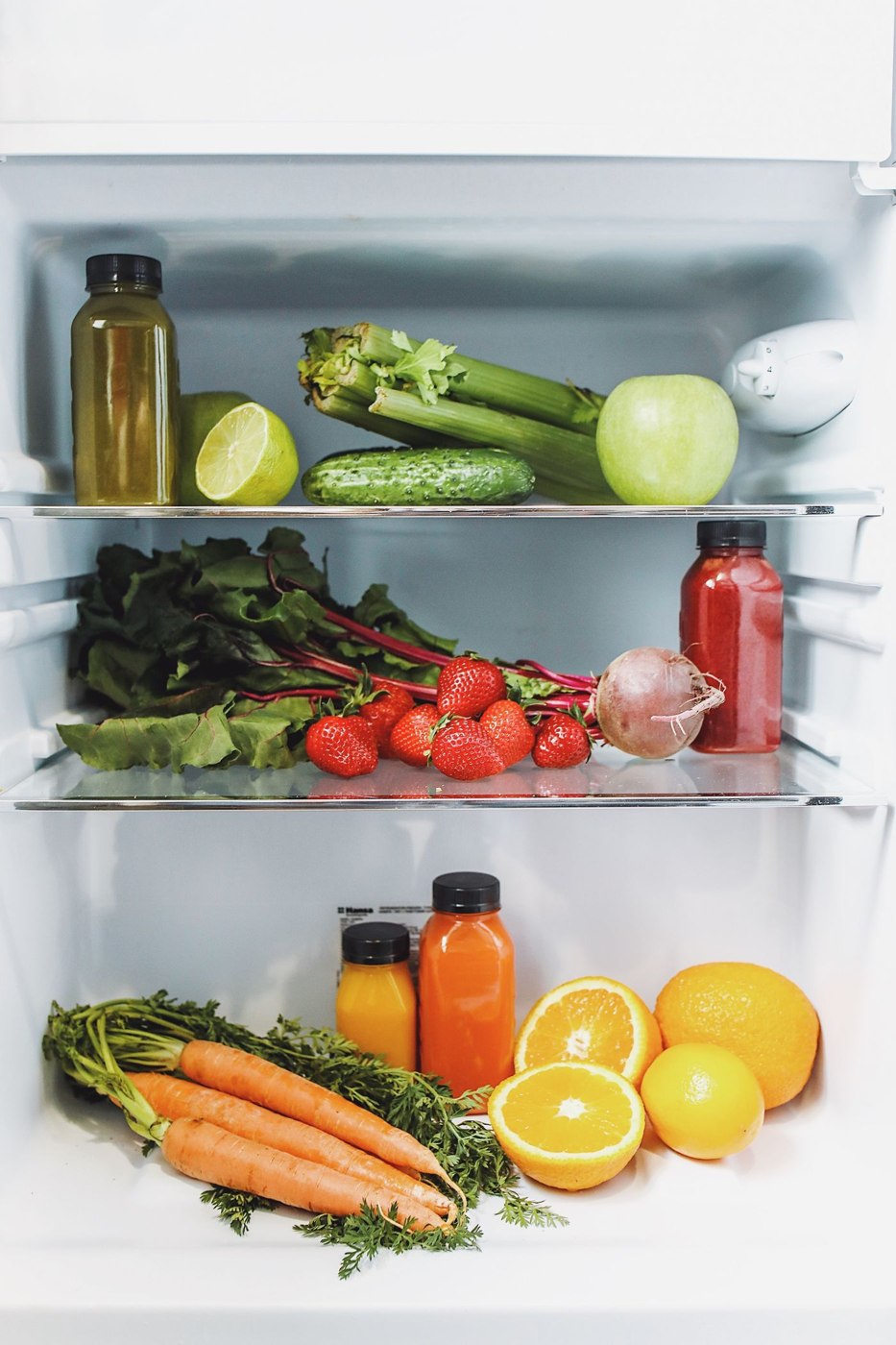
Keep raw animal products separate from other groceries during shopping, transport and refrigeration. Use suitable containers to contain leaks, rather than trusting a loose wrapper. When unpacking, move these items to their intended storage promptly instead of leaving them beside bread or washed fruit while the rest of the groceries are sorted.
The same attention applies to tools. Place used tongs somewhere that will not be mistaken for a clean utensil area. Replace or wash equipment before using it with finished food. Wash hands with soap and water after handling raw ingredients; wiping them on a kitchen towel is not an equivalent step.
Make the arrangement understandable
If someone joins the preparation halfway through, say which board and utensils have handled raw food. A brief explanation is more useful than expecting them to infer the sequence. After the meal, clean the work area and return dry tools to storage so the next cooking session starts with a clear setup.