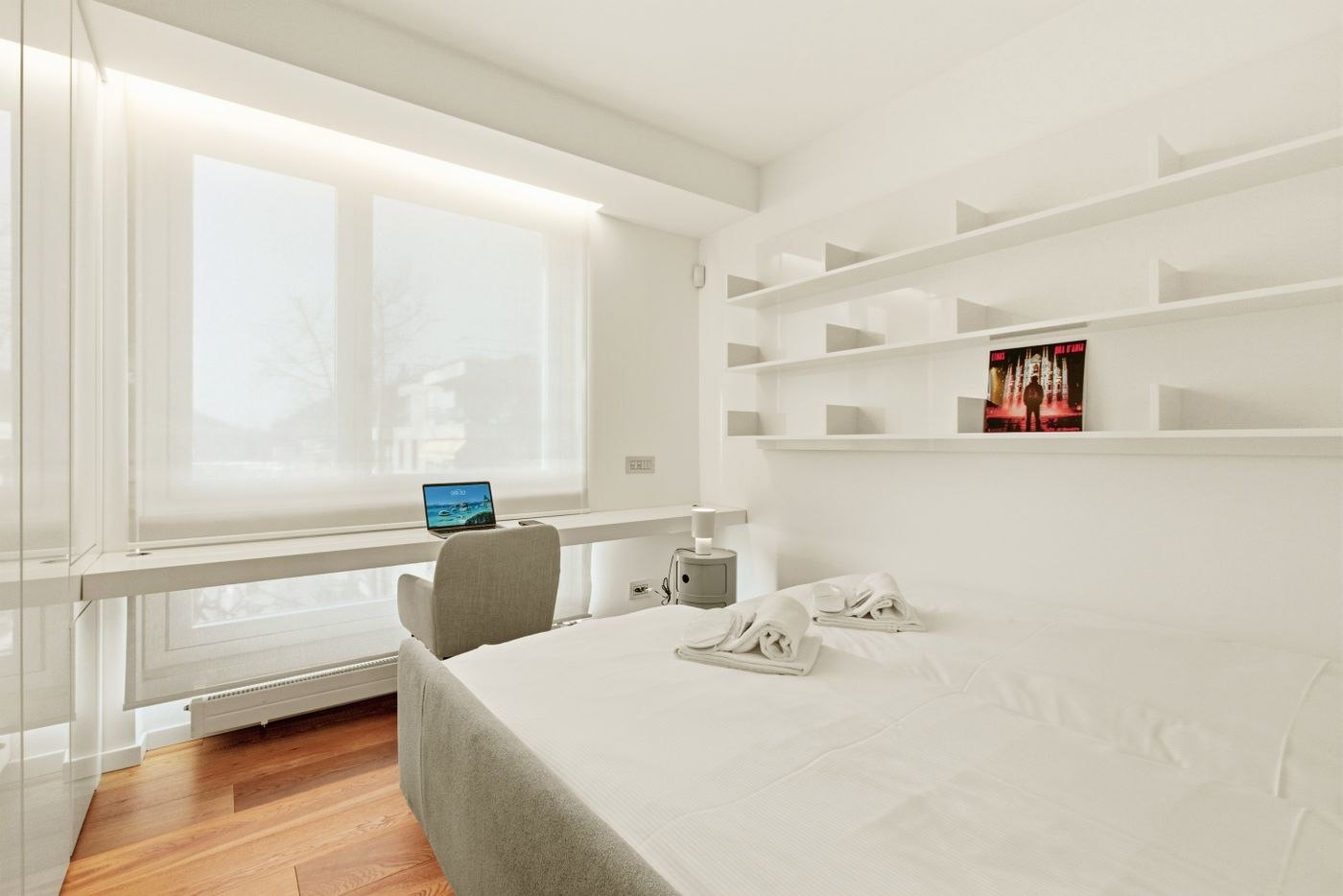
One person pushes the blanket away while the other pulls it back. This is often a bedding arrangement problem rather than a disagreement that needs a single winner. Separate layers can let each person adjust their side while preserving a bed that is straightforward to make and wash.
Describe the difference precisely
Ask what feels uncomfortable: the weight of the cover, its warmth, its texture, or having it pulled during the night. Adding a heavier blanket does not address a preference for less weight, and buying a larger duvet does not always solve different temperature preferences.
Try rearranging existing bedding first. A light shared base with an extra blanket on one side may be sufficient. Alternatively, two individual covers can allow more independent adjustment. Check their width against the mattress so neither person ends up with a narrow strip of coverage.
Test the arrangement in ordinary use
Make the bed, lie in your usual positions, and check where the layers overlap. A large central overlap may feel bulky. Decide whether the top decorative cover is used for sleeping or folded away, so it does not quietly become another unwanted layer.
Keep spare layers within easy reach without creating a pile beside the bed. A designated shelf or basket can hold the blanket that is removed overnight. Avoid using the floor, where bedding can obstruct walking or gather dust before being returned to the bed.
Include washing and seasonal changes
Two smaller covers may fit your laundry setup differently from one large one. Read each care label and check whether the bedding fits the washer with adequate room as described by the appliance instructions. Do not assume every comforter can be washed at home.
Revisit the arrangement when the weather changes rather than adding layers indefinitely. Store clean, completely dry items and label sizes if several beds use similar covers. If one person develops a new or persistent temperature-related discomfort, the answer may extend beyond bedding; seek appropriate health advice instead of relying on a product claim. For ordinary preferences, the best arrangement is the one both people can adjust and maintain without a nightly negotiation.