The frustrating part of spare bedding is often identification. Several pale fitted sheets can look identical until each one is opened. A useful storage arrangement makes the bed size and the available pieces visible before you pull anything out.
Choose a system around the beds you have
If each bed has its own sets, keep the pieces together by bed or size. A shelf label can say “guest queen” or “twin sets.” Where pillowcases are shared across beds, a separate clearly marked stack may make more sense than forcing them into fixed sets.
Check what is actually complete. A spare fitted sheet without a suitable top sheet may still be useful, but it should not look like a ready-to-use set. Move worn pieces to their next intended use or disposal route rather than allowing them to confuse the clean bedding shelf.
Match the storage to the weight and frequency
Put frequently used sheets where they can be lifted comfortably. Bulky comforters should not be stored so high that retrieving them requires an awkward reach. Use suitable containers only when they help control a manageable group, and avoid packing them so tightly that removal becomes a struggle.
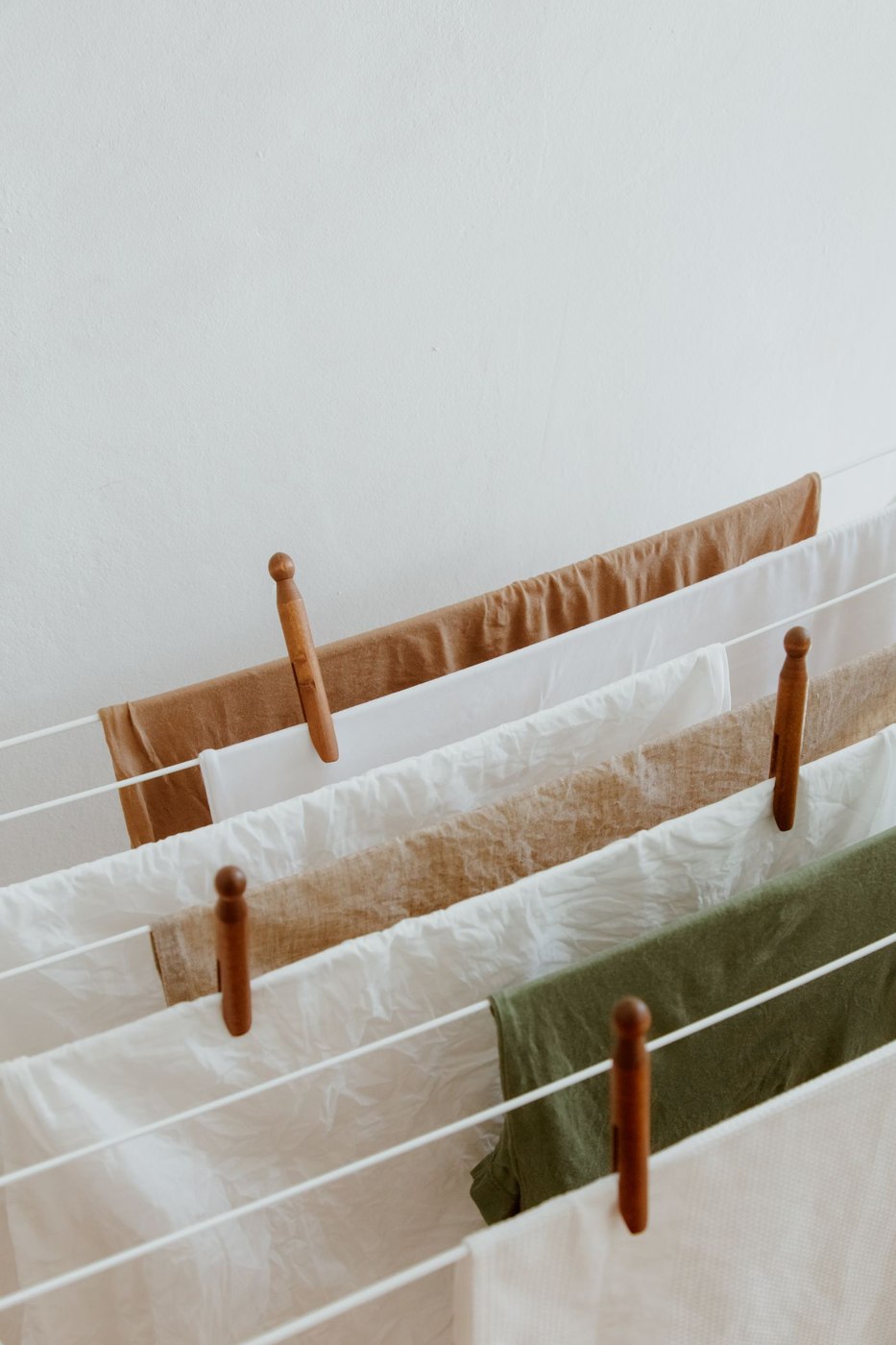
Bedding must be clean and completely dry before storage. Choose a dry location and check for signs of moisture. A closed container does not fix a damp cupboard or protect a textile that was put away before it dried.
Leave room for the return
A shelf filled to its limit becomes untidy as soon as one newly washed set returns. Allow a little space for ordinary folding differences. If only one very precise fold makes everything fit, the arrangement may be too crowded for shared use.
Keep seasonal pieces identifiable without moving all the everyday bedding. A simple label on a storage bag is enough; you do not need an inventory of every pillowcase. Review the collection when a mattress size changes or a guest bed leaves the home. Bedding for a bed you no longer have should have a deliberate reason to remain.