An empty section of wall does not automatically need filling. It may give the eye somewhere to rest, make a doorway clearer, or keep a small room from feeling crowded. When choosing art, begin with a piece you want to see regularly and a location where it can be appreciated. A complete matching arrangement is optional.
Choose the viewing position
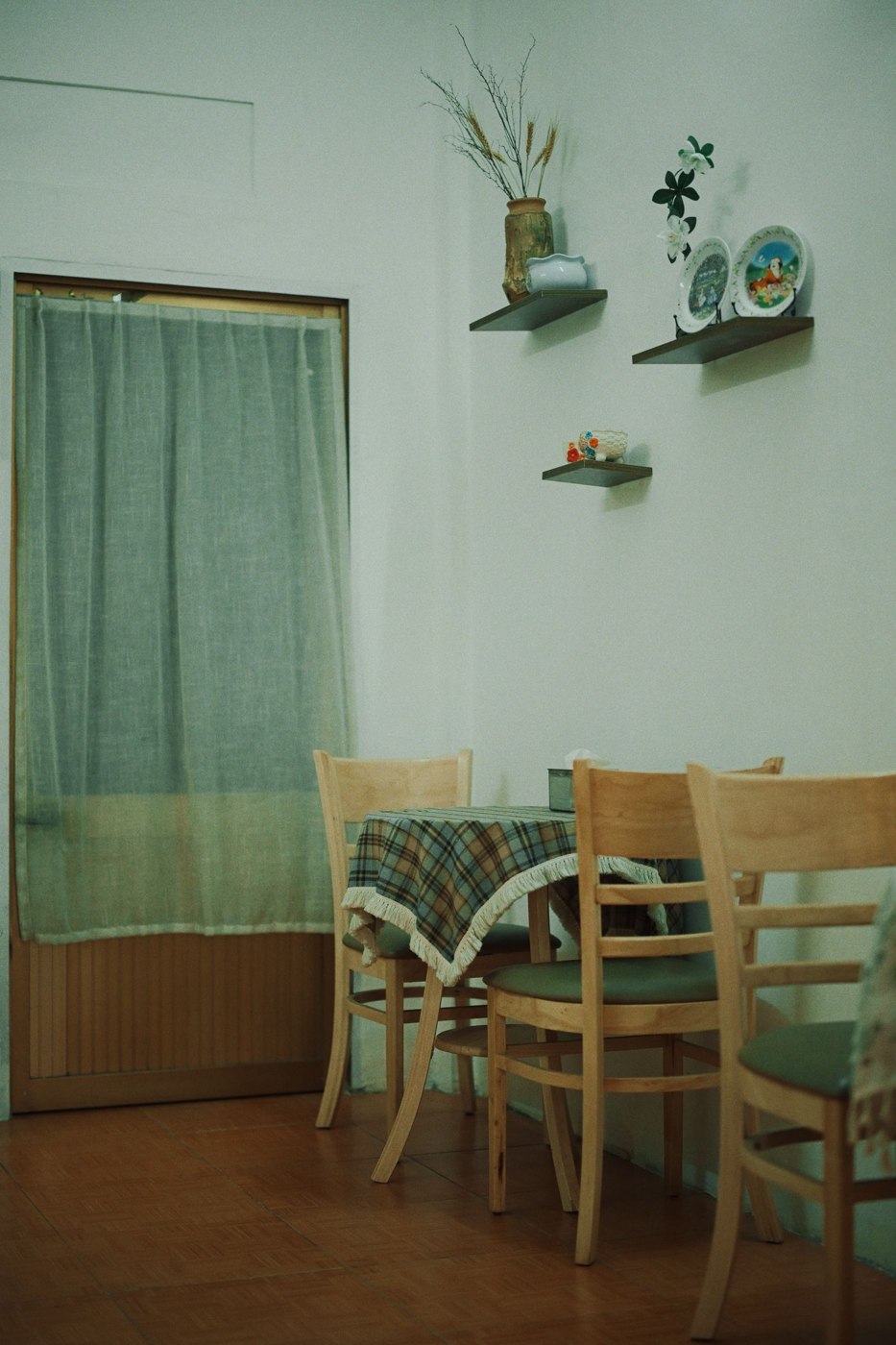
Stand or sit where the work will usually be seen. Art above a dining area is often viewed from a chair, while a hallway piece is passed at close range. Consider those positions before choosing the size. A detailed print may reward a nearby view but disappear on a distant wall.
Mark a possible frame outline using paper or removable tape appropriate for the wall. Include the full frame dimensions, not only the image. Leave the outline in place long enough to notice whether it competes with a light switch, shelf, or doorway. Try a smaller outline before concluding that the wall requires a large statement piece.
Let the room provide context
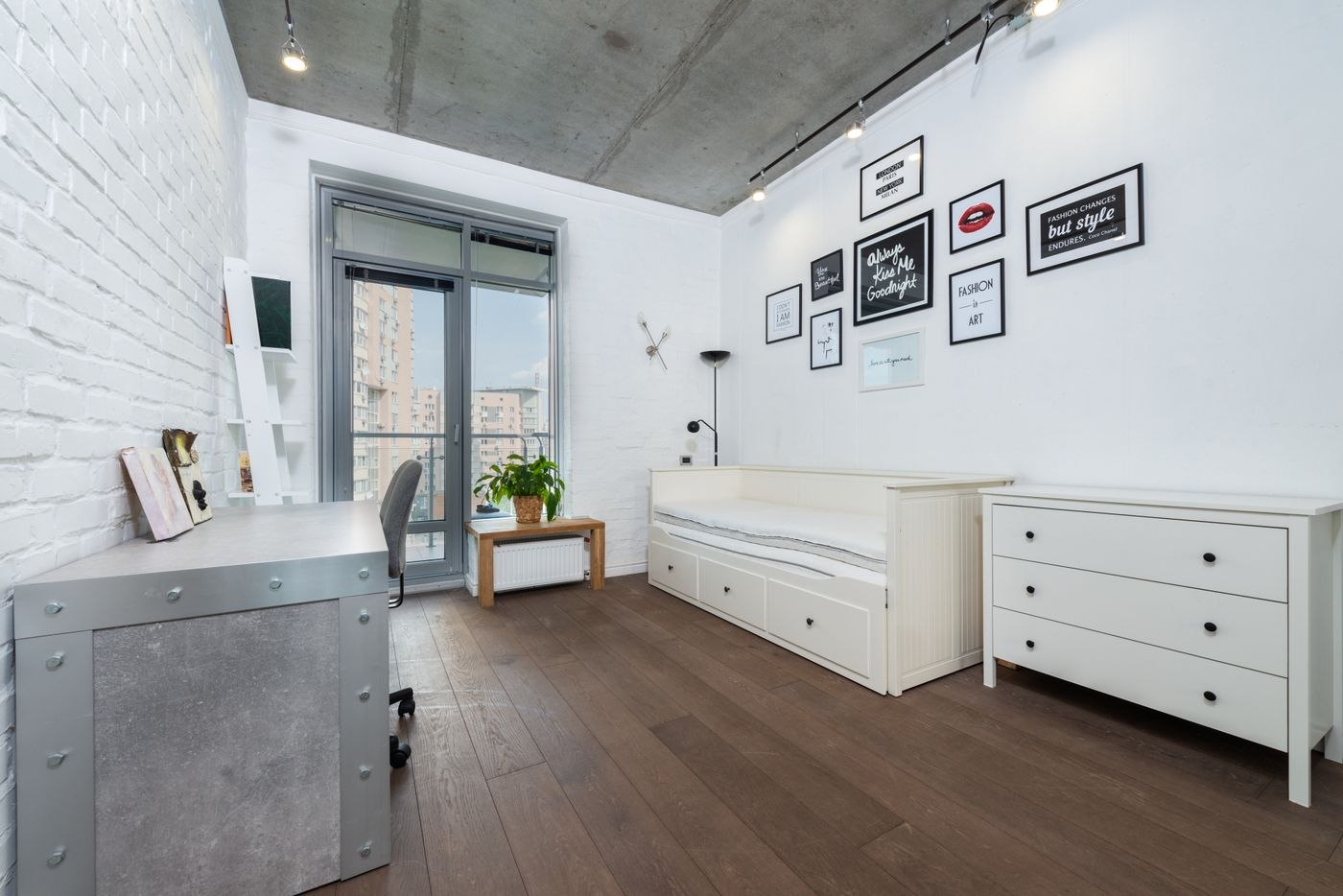
Look at the work alongside existing colors and textures without requiring an exact match. A photograph, drawing, textile, or print can belong in a room because someone values it, not because its palette repeats every cushion. If several pieces share a wall, decide whether their connection is subject, scale, spacing, or simply personal interest.
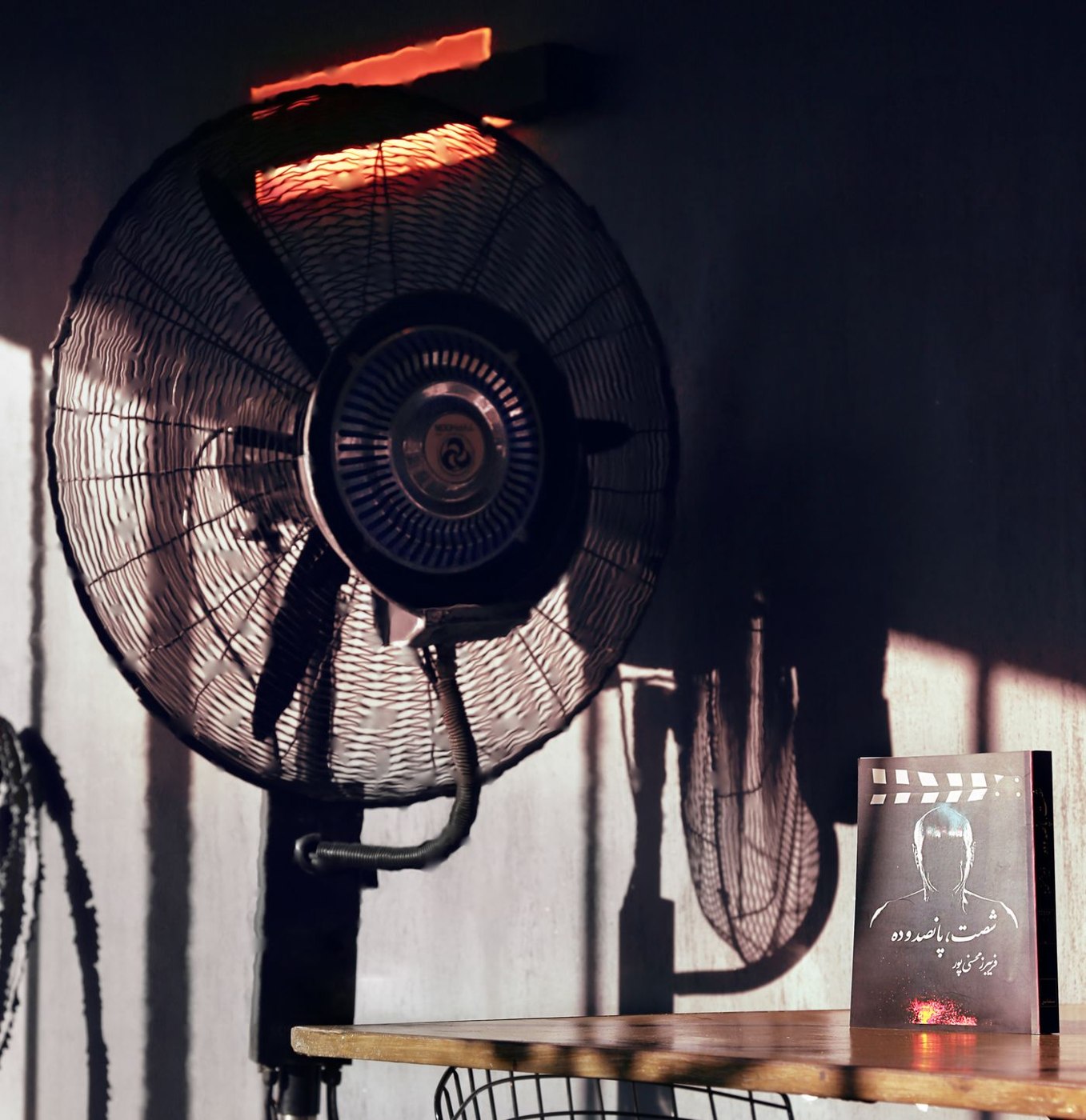
Notice glare and direct sunlight. Glazing can reflect a window or lamp, and some materials need protection from strong light. Follow the artwork's care advice and consider a different location if the only available position is unsuitable. A bathroom or kitchen may expose a piece to moisture or splashes.
Hang deliberately and stop
Use fixings suited to the artwork's weight and the wall construction. Check for hidden services before drilling and get appropriate help if uncertain. Avoid placing a heavy or fragile piece where it could be easily knocked during everyday movement. A ledge also needs to be mounted and used within its stated limits.
After hanging one or two pieces, live with the arrangement before adding more. Notice which work you actually enjoy looking at. If a wall feels busy, removing a piece is a valid design decision. Store unshown items carefully rather than treating display space as an obligation to exhibit everything at once.