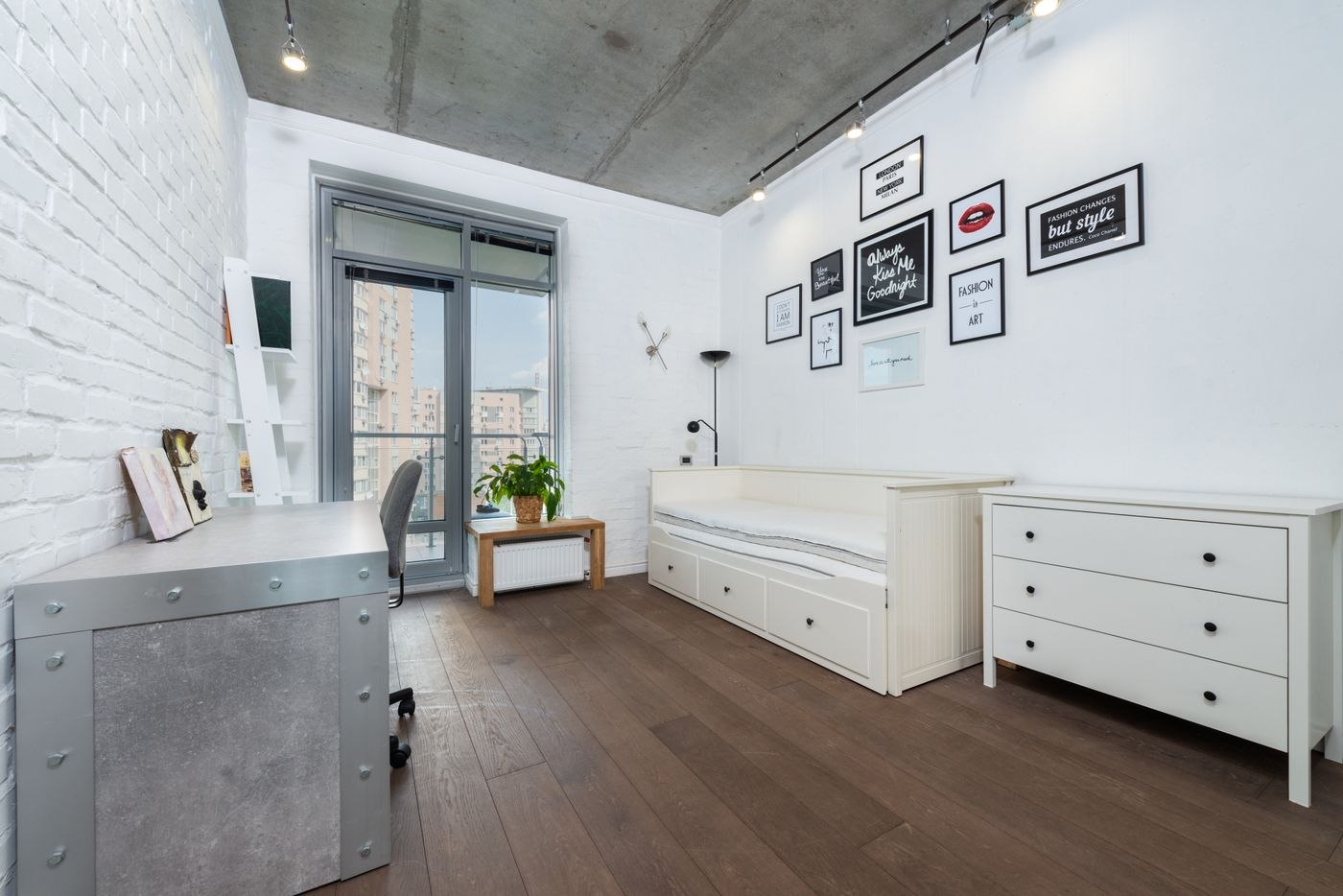
A furniture listing usually gives width, depth, and height. Those numbers describe the object, not the space needed to use it. A dining chair must pull out, a recliner opens, and a cabinet door swings into the room. Before purchasing, draw or mark both the furniture footprint and the area its everyday use will occupy.
Measure the room as it exists
Include baseboards, radiators, outlets, window sills, and doors. Measure at more than one point if a wall or alcove is uneven. Record the dimensions with units and keep a simple sketch so you do not later confuse the width of the wall with the available gap between other furniture.
Use removable tape suitable for the floor to mark the proposed footprint. Walk around it carrying a laundry basket or bag. Pull nearby chairs out and open cupboard doors. If the route only works when everyone turns sideways, reconsider the size. Leave the clearances required by heating equipment and other installed products.
Test the furniture in use
For a desk, account for the chair and the person sitting in it. For a dining table, consider how people reach the far seat. For a sofa bed, use its opened measurements. A storage ottoman needs space above and beside it to lift the lid, not just a patch of floor where it can stand.
Ask the seller for missing dimensions. Photographs can conceal deep arms, angled legs, or a rear section that projects beyond the top. Check whether the dimensions include handles and whether assembly changes the delivery size. Do not assume a piece can be disassembled unless the manufacturer confirms it.
Follow the route into the home
Measure doorways, stairs, landings, elevators, and tight corners. Include packaging where the delivery instructions require it. Compare these measurements with the seller's delivery guidance, and clarify who is responsible for access. A room-sized fit is irrelevant if the item cannot pass the staircase.
Plan installation as well. CPSC recommends securing furniture and televisions against tip-over according to the manufacturer's instructions. Determine the wall type and required anchoring method before placing tall storage in a child's room or a shared living area. Get suitable help where the fixing requirements are uncertain.
Keep the taped outline for a day if possible. Ordinary use often exposes a problem that a quick measuring session misses. Confirm the return terms before ordering, but treat returns as a backup rather than a substitute for checking the layout.