The first cold week often reveals the same small problems: coats have no drying space, extra blankets are hard to find, and a favorite chair sits beside a draft. A seasonal review can address these annoyances before the house fills with winter equipment. Work through the rooms you use most, while keeping heating safety separate from decorating decisions.
Bring useful layers into reach
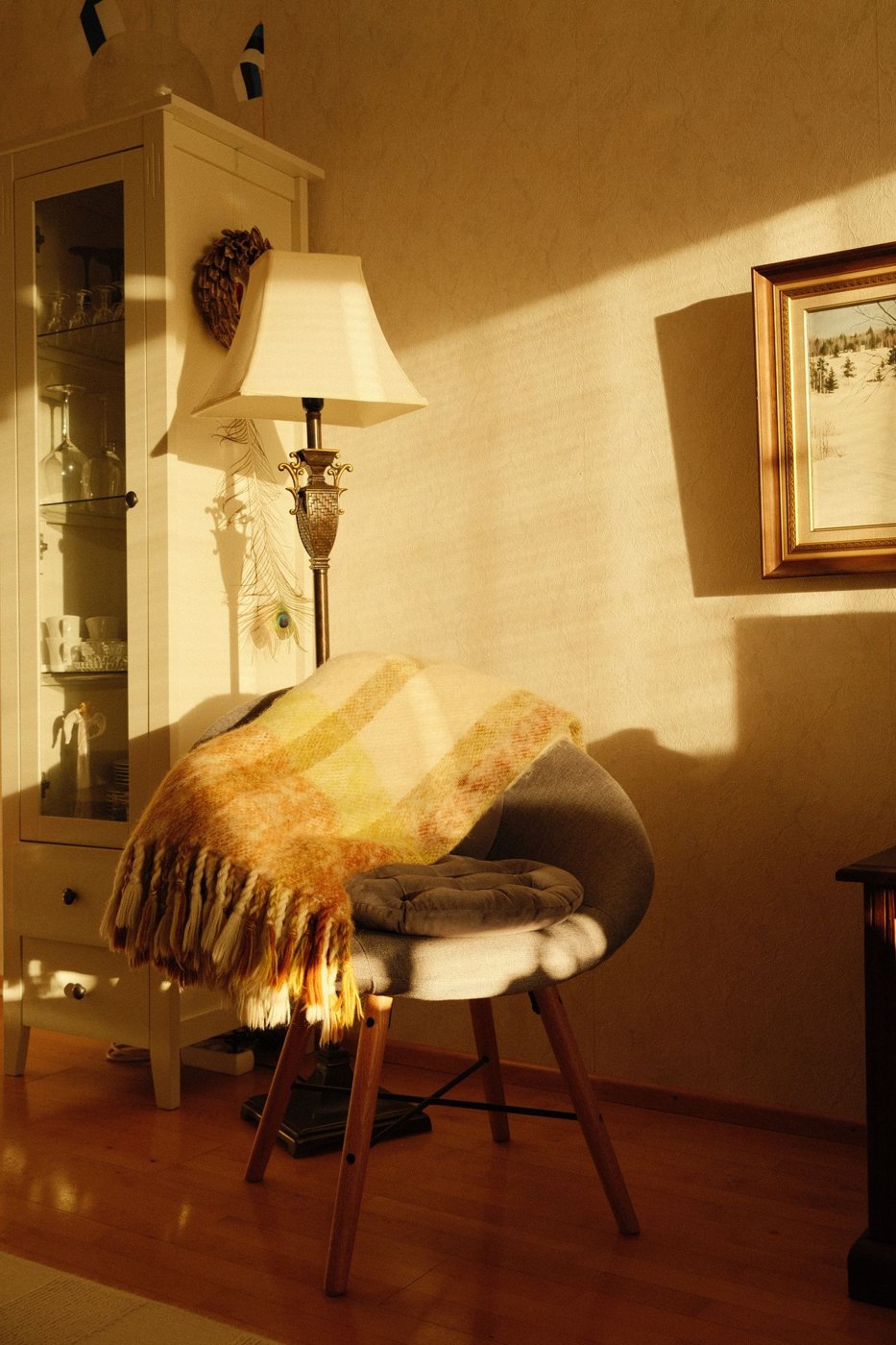
Wash or refresh stored blankets according to their labels and check that they are fully dry before returning them to use. Keep one or two near the seats where they are wanted. A deep basket filled with every spare throw is less helpful than a small selection people can lift and replace easily.
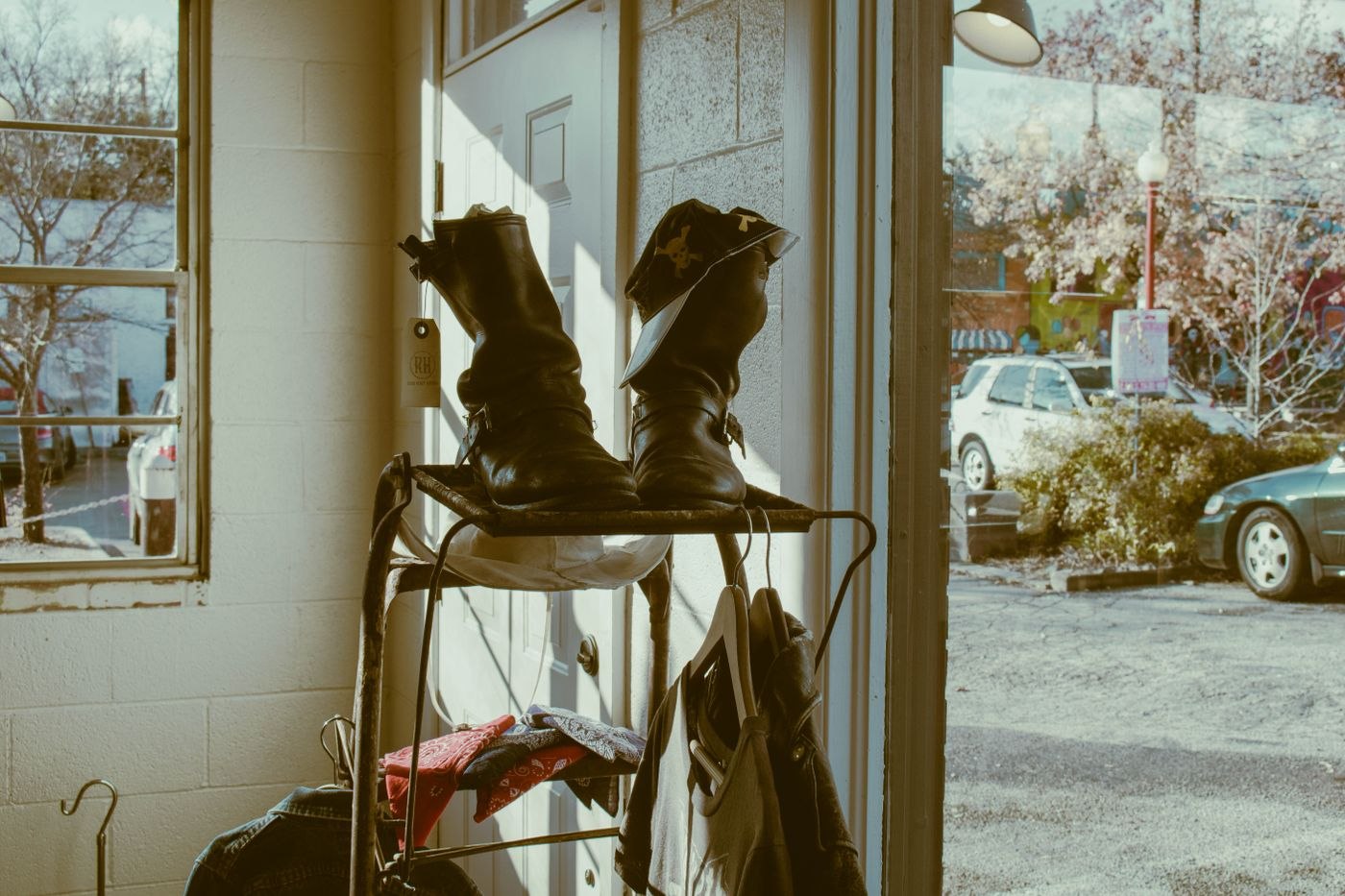
Look at entryway storage with bulky clothing in mind. Coats need room around hooks, and wet footwear needs a suitable surface without narrowing the doorway. Move rarely used warm-weather items elsewhere if that frees space. Check that the door can close without catching fabric or a bag strap.
Keep heating equipment clear
Read the instructions for the heating equipment in your home. CPSC advises keeping portable heaters at least three feet from combustible items such as curtains, bedding, and furniture. Electric space heaters should plug directly into a wall outlet, not an extension cord or power strip, and should be switched off when sleeping.
Treat those requirements as fixed boundaries when arranging chairs and blankets. Do not use a heater as a drying rack. If a room cannot accommodate the required clearance, rearrange it or use a different safe heating approach. Have appropriate professionals handle maintenance or faults in heating systems rather than attempting unfamiliar repairs.
Separate comfort changes from faults
A chair moved away from a cool window may feel more comfortable, but that does not resolve a damaged seal or a heating fault. Keep a separate maintenance note for problems that recur. Describe the room, the conditions, and what you observed so a landlord or service professional has useful information rather than a vague report that the house feels cold.
If you rent, check the arrangements for reporting heating problems and approving changes before installing products or altering fixtures. A removable textile is a different decision from changing a window or heating control. Store the relevant contact details somewhere accessible before the weather turns difficult.
Consider the return trip for winter items. Gloves and scarves need a place after use, not only a tidy display before departure. A small drying area suitable for the materials, followed by storage when they are dry, can prevent damp items from being pushed into a crowded drawer. Keep that area clear of heaters and walking routes.
Notice drafts without blocking needed airflow
Check obvious gaps around doors and windows and ask a landlord or qualified tradesperson about suitable repairs when needed. Follow the building's ventilation requirements; covering vents to make a room feel warmer can create other problems. Use window coverings as intended and keep them away from heating equipment.
Prepare evening lighting as daylight hours shorten. Replace failed bulbs with the correct type and rating for the fixture, and make sure the route from the entrance to living spaces remains clear. Winter bags and deliveries should not become permanent obstacles.
Finish with a short list of unresolved issues, such as a sticking window or a service appointment. Store that list where household maintenance is tracked. Seasonal preparation is easier to repeat when it records what needs attention instead of becoming a complete redesign of every room.