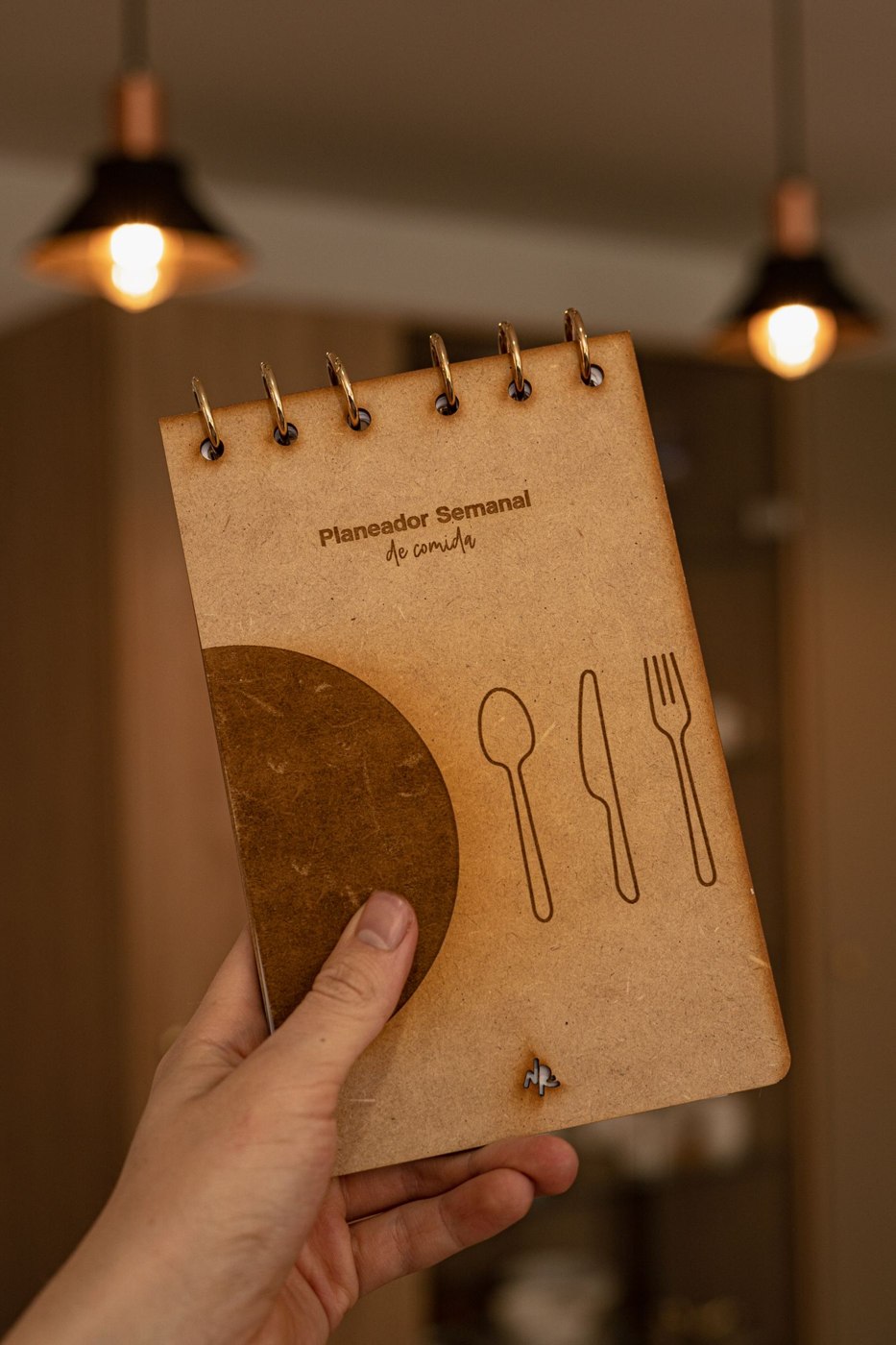
A meal plan is a decision about how people will eat, not a promise to cook from scratch every evening. When every square contains a new recipe, the plan can require more effort than the week can support. Put the different kinds of meals on the calendar first. Then choose recipes for the spaces where cooking actually belongs.
Mark the effort available
A late meeting and an early appointment the next morning may make an elaborate dinner unrealistic. Label that evening with a low-effort option before shopping. Another day might offer time for a recipe that needs chopping or a longer cooking process. The point is to match the task to the day rather than hoping that energy will appear on schedule.
Distinguish active preparation from elapsed cooking time. A meal that cooks for an hour may need little attention, while a faster recipe can require continuous work. Read the method as well as the advertised time. Your kitchen equipment and familiarity with the dish also affect how manageable it feels.
Name the non-cooking meals
Write down an assembled meal, a safely stored leftover portion or a takeout evening just as clearly as a cooked dinner. “Something easy” still leaves a decision for later. A specific option helps the shopping list contain what is needed without adding ingredients for a meal that will never be made.
For a shared home, say whether everyone is eating the same thing. One person may be out while another needs a simple dinner. Recording that difference avoids preparing extra servings from habit or discovering that the only backup meal was intended for somebody else.
Keep one flexible slot
An unassigned evening can absorb a changed plan, an invitation or an ingredient that needs attention. Give it boundaries: perhaps choose from two familiar pantry meals, or decide after reviewing the refrigerator. Flexibility works better when it has a small set of possibilities rather than reopening the entire week's choices.
If a cooked meal is meant to provide another meal, plan its storage and timing deliberately. Follow safe storage guidance for the food involved. Do not keep postponing a perishable meal merely because the calendar has become crowded; move it to a safe alternative use or discard it when appropriate.
Judge the plan by the evening it creates
After a week, notice whether dinner involved fewer last-minute decisions and whether the amount of food made sense. The number of home-cooked dishes is not the only measure. A plan that reliably feeds the household and leaves a workable cleanup can be a better fit than a more ambitious schedule that repeatedly falls apart.