A simple meal for visitors begins before the menu. Ask who is coming, what they can eat, and how much cooking you want to do while they are present. A familiar dish that leaves you free to talk may be a better choice than a technically impressive meal requiring constant attention. Simplicity is a plan for the whole visit, including serving and clearing away.
Ask about food needs early
Invite guests to tell you about allergies and dietary requirements while there is still time to choose dishes. Ask what arrangements they need rather than guessing from a broad label. A preference and an allergy are different planning questions. When an allergy is involved, discuss ingredients and the possibility of cross-contact honestly; do not promise an allergen-free environment you cannot provide.
Keep ingredient packaging available where it helps answer questions. A homemade dish can still contain packaged sauces, stocks or seasonings that a guest needs to check. If you cannot confidently meet a requirement, agree on an alternative in advance. A guest bringing a suitable dish may be a welcome solution when arranged respectfully, rather than a surprise at the table.
Choose a menu your kitchen can handle
Write down the equipment each dish requires. Three dishes needing the oven at different temperatures are not necessarily a simple menu, even if each recipe is short. Look for a combination that spreads work across the space you have without creating competing deadlines. A main dish with uncomplicated accompaniments can be easier to serve than several equally demanding components.
Use familiar recipes when timing matters. If you want to try something new, make the unfamiliar element a smaller part of the meal, or try it beforehand when there is no audience waiting. Consider portion sizes and the number of serving dishes as well as ingredients. Food that is easy to cook can still be awkward to pass around a small table.
Work backward from serving
Choose an approximate eating time and identify the final tasks. Decide which preparation can safely happen earlier according to the recipe and food-storage guidance. Make space in the refrigerator before preparing dishes that need chilling. A crowded appliance is not a helpful surprise after several containers are filled.
Set out clean serving utensils and any trivets before the kitchen gets busy. These small objects are easily forgotten because they are not ingredients. Also consider drinks, a place for coats and where guests can sit without standing in the cooking path. The meal feels more settled when you are not solving several household arrangements at the same moment.
Keep the table easy to use
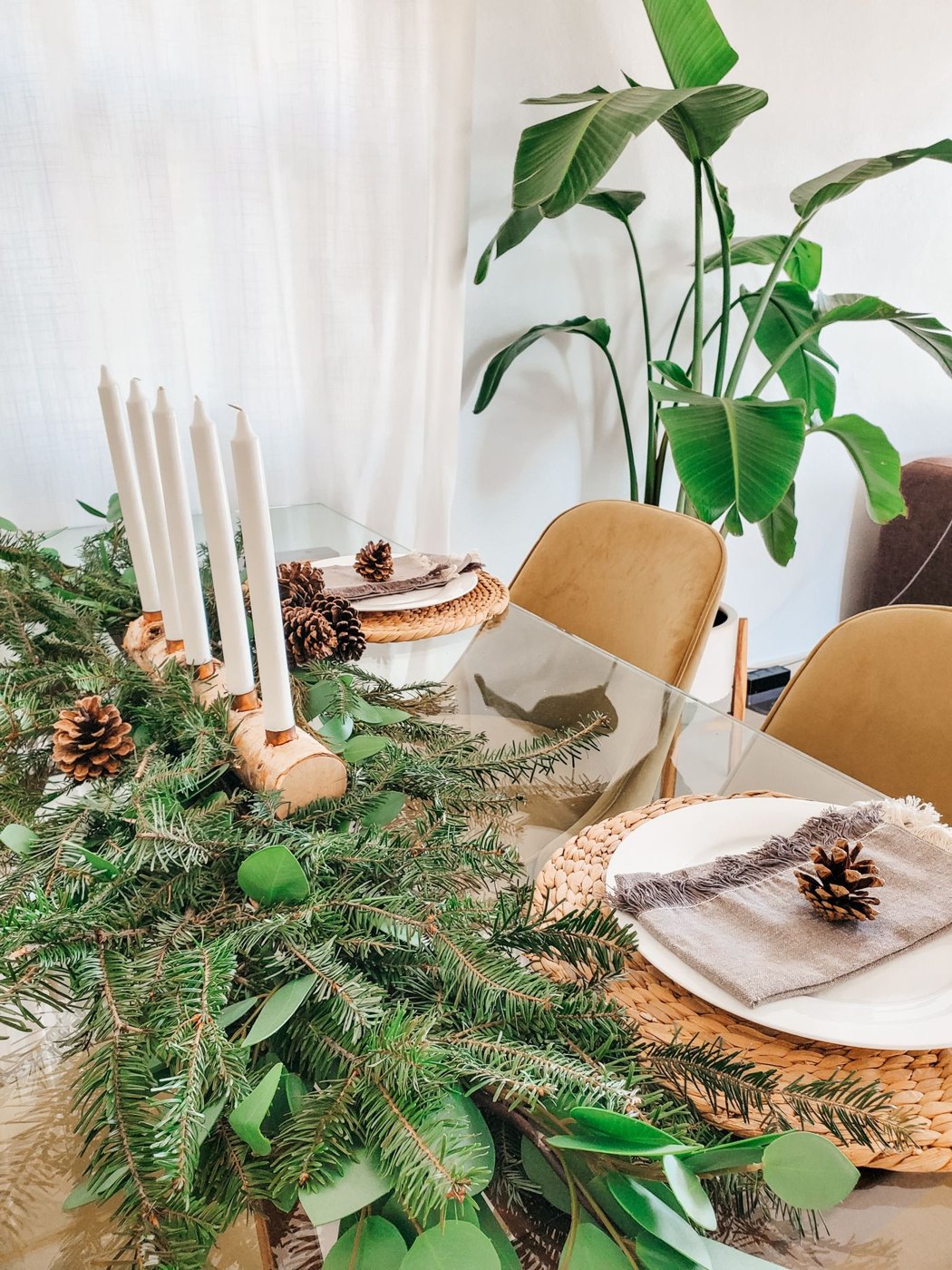
Leave enough space for plates and passing dishes. A large centerpiece may look attractive but make an ordinary meal awkward. If the table is small, serve some items from a nearby safe surface or plate the meal in the kitchen. Make clear which utensil belongs to each dish, especially when ingredients need to remain separate.
Offer help in a specific form when guests ask. Carrying water or setting down bread is easier to accept than a vague invitation to assist. Keep hot equipment and tasks requiring food-safety knowledge with whoever is prepared to handle them.
Make a closing plan
Know where leftovers will go and who will deal with them promptly. Have suitable containers ready without implying that every guest must take food home. Let the first clearing step be modest: store food safely, gather dishes and make the space usable. The rest can follow a rhythm that lets the visit remain a visit rather than turning everyone into a cleaning crew.