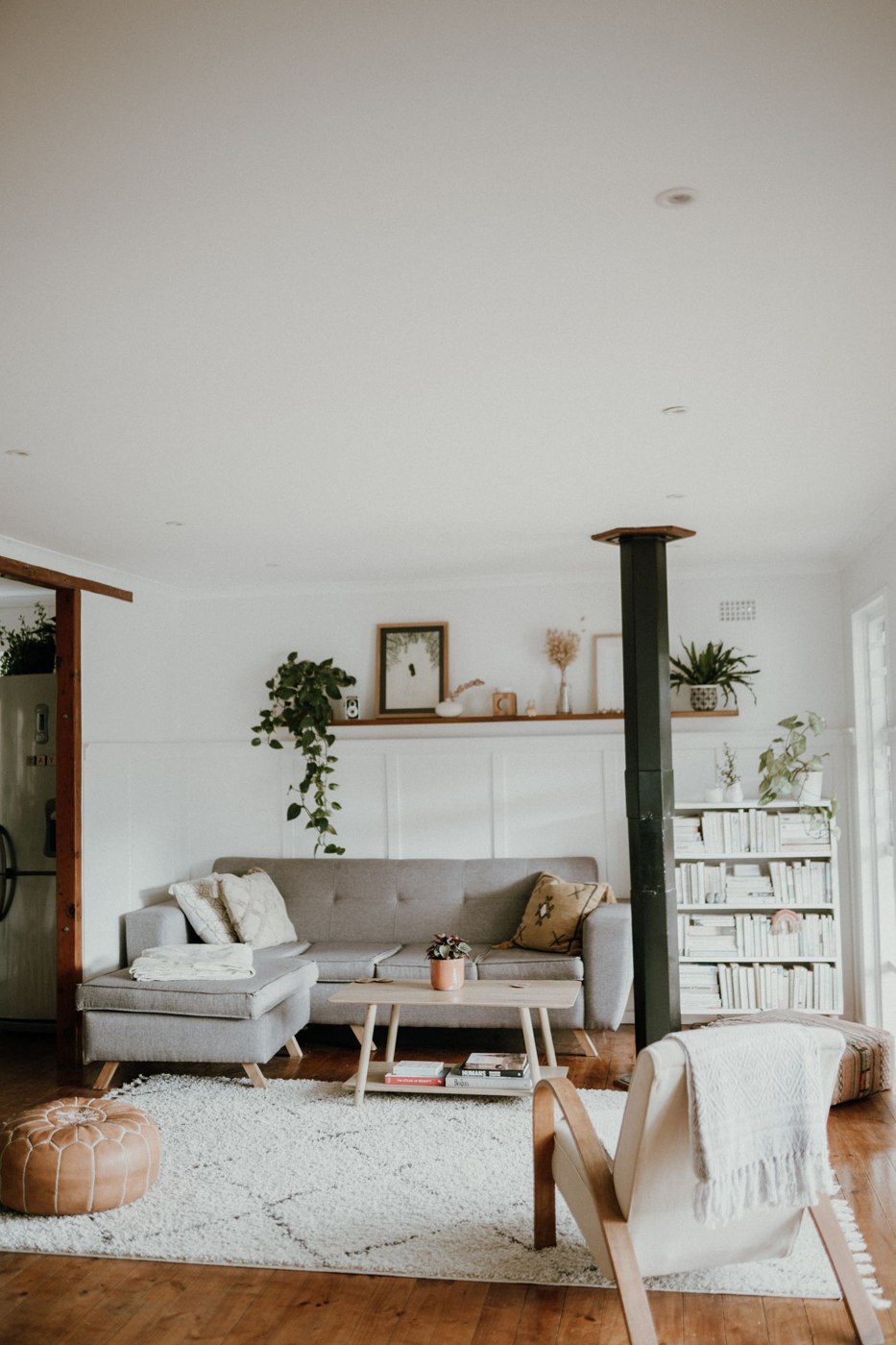
A blanket stored for everyday use should be easy to reach from the seat where it is needed. If taking one out disrupts a carefully stacked display, people are less likely to put it back. Choose storage around the blankets the household uses now, not the full collection of seasonal bedding.
Keep the right number nearby
Notice how many blankets are used at the same time during an ordinary evening. Leave those in the living room and store occasional or out-of-season pieces elsewhere. This makes a small basket or shelf more useful and reduces the pile that must be moved before cleaning.
Different users may prefer different weights. A lightweight throw and a heavier blanket can cover several preferences without keeping duplicates of every type. Make any personal blanket easy to identify so sharing does not depend on remembering which similar folded item belongs to whom.
Match the container to the return
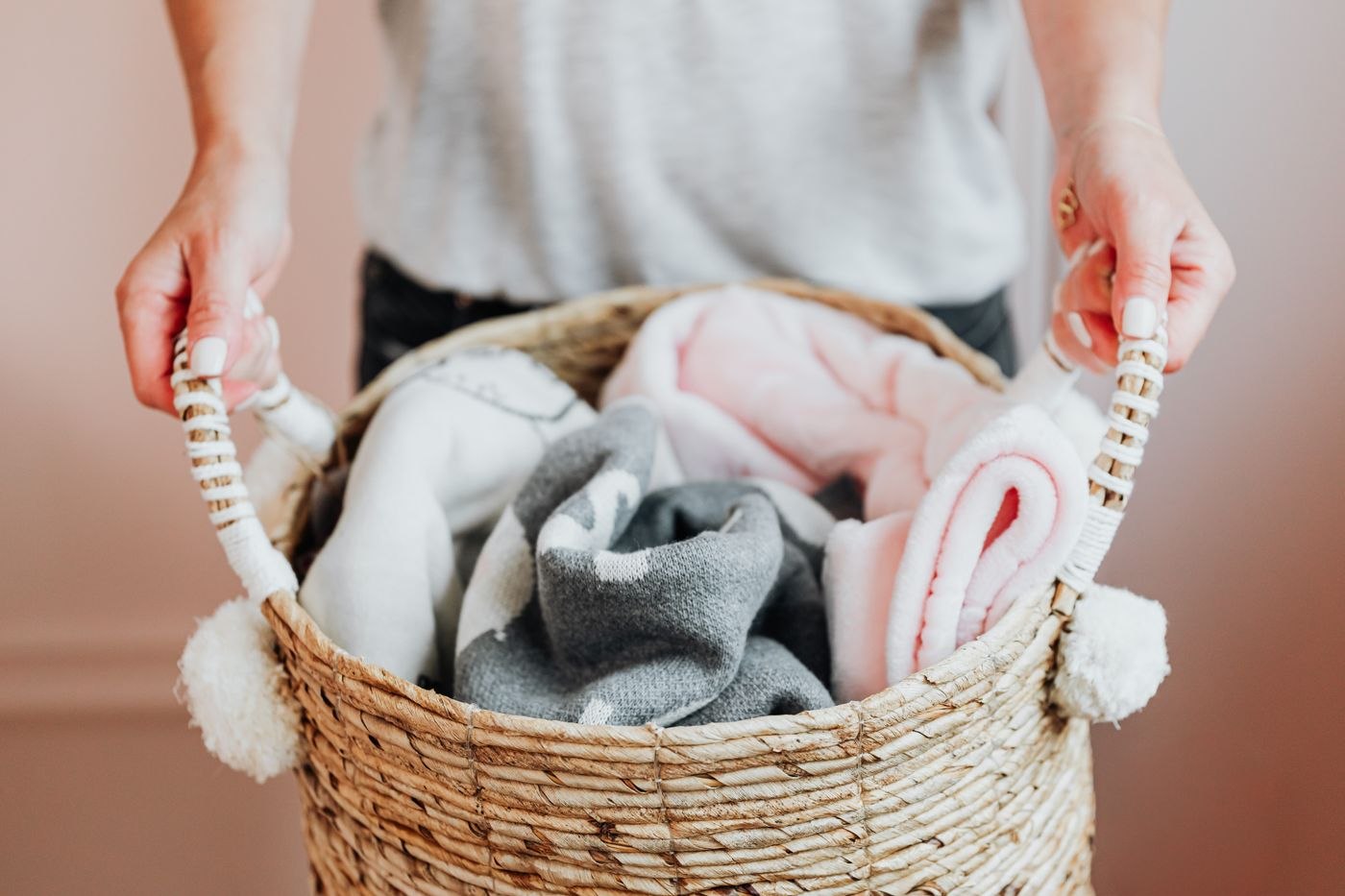
An open basket makes dropping a blanket back simple, but its interior should not snag the fabric. Check handles, rough edges, and the capacity with the blankets inside. A lid can keep the room visually quieter, although it adds another action and may not suit blankets that are still airing after use.
A shelf works if the stack can be reached without pulling everything down. Keep it below a height that invites climbing. A storage bench is another option, but only if opening it is easy and the household does not need to remove a permanent layer of objects from its seat.
Store clean, dry fabric
Follow each blanket’s care label. Allow it to dry fully before placing it into enclosed storage, and check stored blankets if the room has a moisture problem. Avoid using a basket to conceal damp fabric or spills that still need attention.
If pets regularly use one blanket, decide whether to keep that piece separate rather than expecting every throw to stay interchangeable. Use a washing routine that fits the fabric and actual use, without adding unnecessary fragrance or a complicated rotation.
Leave the floor clear
Position the container beside furniture rather than in the route between rooms. Keep blankets away from heaters and other equipment with required clearances. At the end of the evening, a loose fold or simple return to the basket is enough if it leaves the seat and walkway ready for the next day.