A living room arranged only around its largest screen can make conversation awkward. People may need to twist sideways, shout across an empty space, or perch on furniture without a useful place for a drink. A conversation-friendly layout starts with the seats people actually use.
Draw the routes before moving the sofa
Identify the paths between doors, nearby rooms, and frequently opened storage. Keep those routes visible in a rough sketch. Furniture that looks balanced in a photograph may force someone to cut between two people talking. Leave room for the movement the household needs, including mobility aids and carrying ordinary objects.
Measure the furniture rather than estimating its size. Include the space a recliner needs when open and the area behind a chair when someone stands up. Painter’s tape on an appropriate floor surface can mark a proposed footprint, provided it will not damage the finish or create a temporary trip hazard.
Turn seats toward people
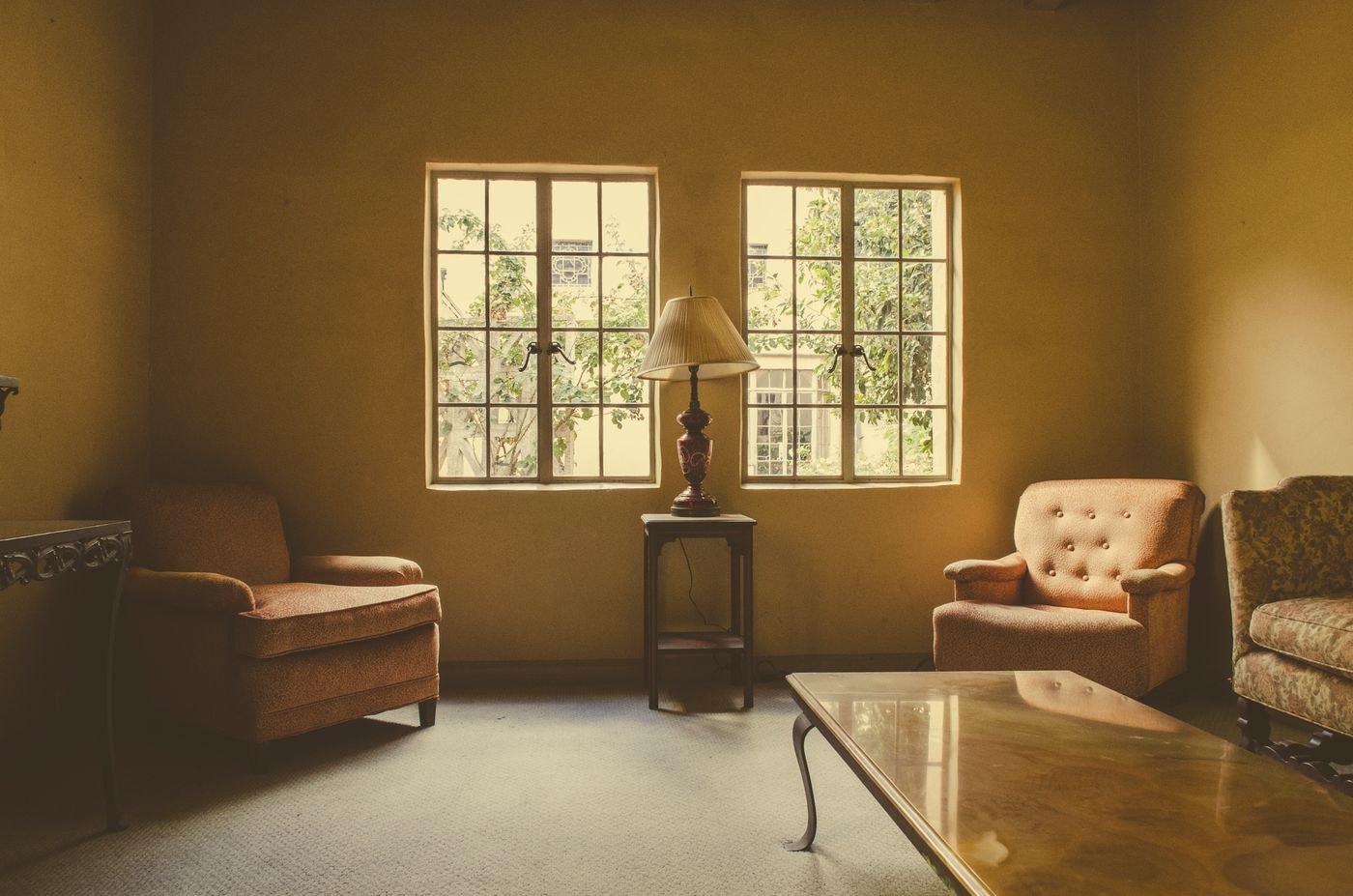
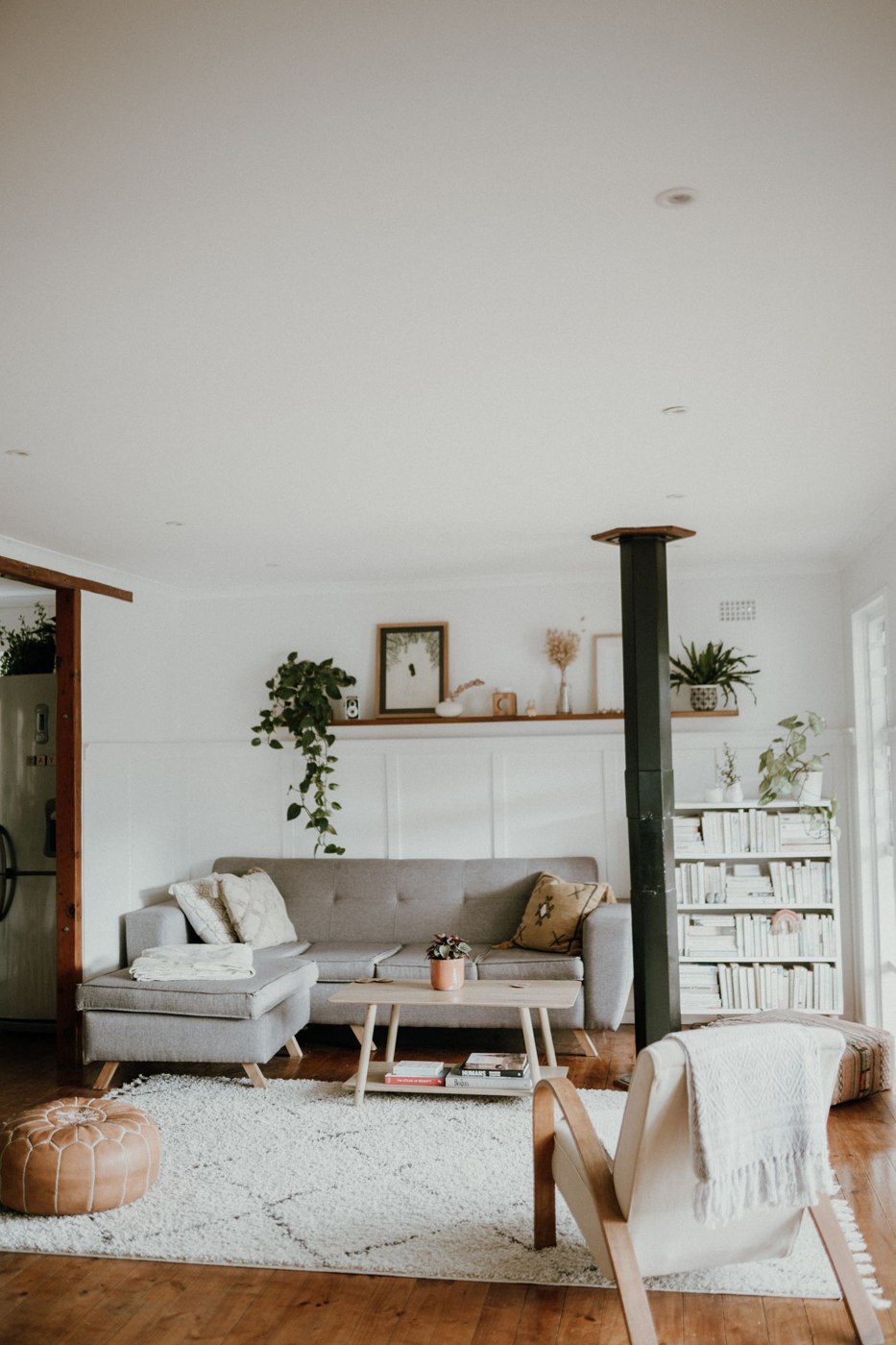
Start with two comfortable seats at an angle rather than putting every seat flat against a wall. Sit down with another person and have a normal conversation. Check whether you can see each other without leaning forward or rotating your whole body. Move the seats gradually until the distance feels workable.
The television can remain part of the room. An armchair that turns easily or a smaller chair placed across from the sofa can support both activities. Avoid making every furniture move a two-person job; arrangements that require heavy lifting before conversation tend to stay in their default position.
Give each seat a usable place
Consider light and a stable surface from every seat, not just the sofa. A shared side table may serve two chairs better than a large coffee table that is difficult to reach. Do not fill the middle of the room merely because it looks empty; that space may be needed for legs, games, or passing through.
Keep tall decorative objects from interrupting sightlines. A vase that looks small when standing may sit directly between faces when everyone is seated. Move it to another surface if it makes conversation feel like looking around an obstacle.
Keep the arrangement adaptable
Try the layout during a quiet evening and a visit. Notice which seat people avoid and whether anyone moves a table themselves. Those observations are useful design information. A lightweight extra chair can be brought in when needed, while the everyday layout remains comfortable for the number of people who normally live there.