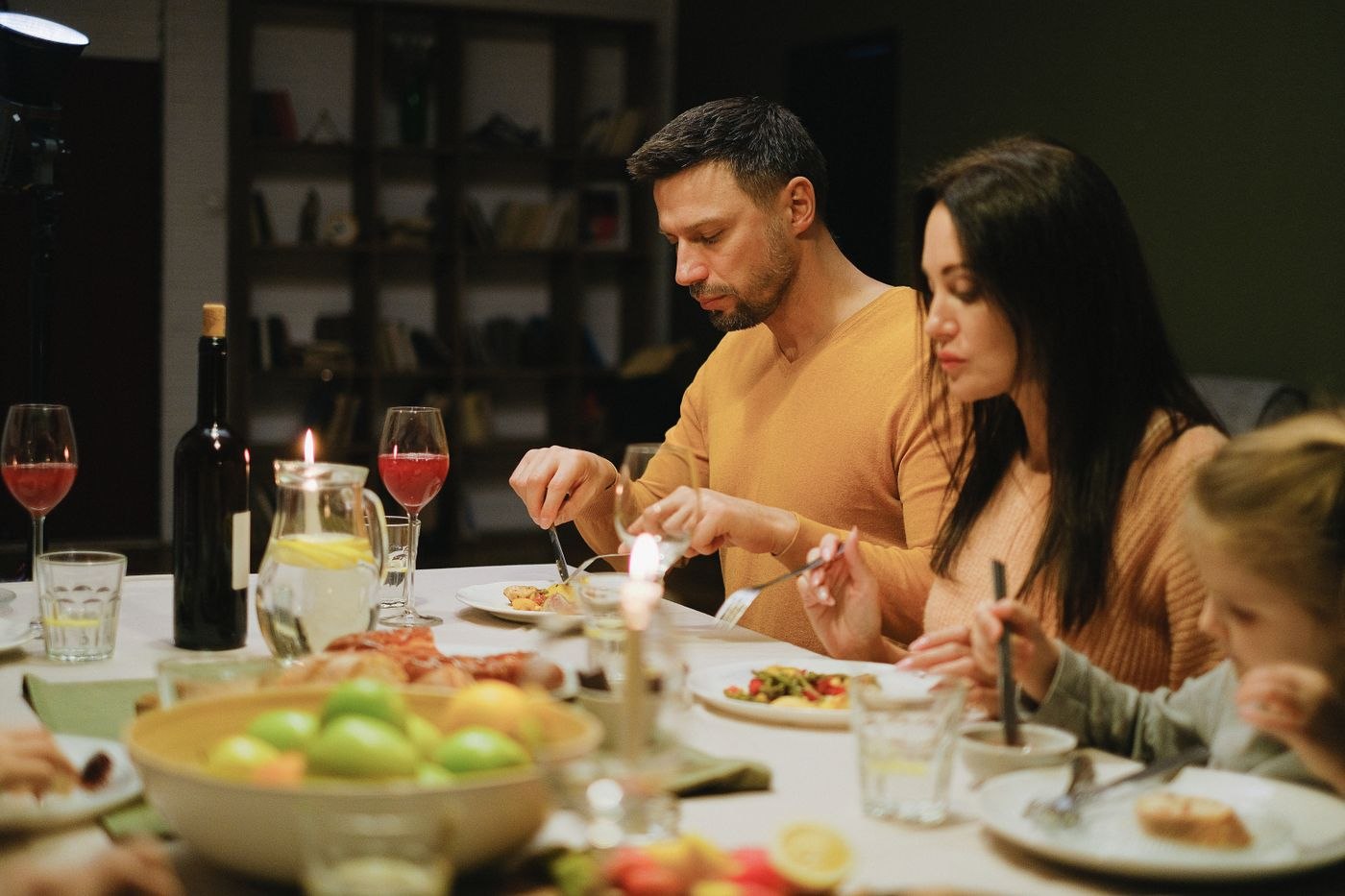
An early shift, a late return, and a work-from-home lunch can all fit in one kitchen, but not always with the same routine. The person finishing dinner may be blocking the counter another person needs for tomorrow's breakfast. Discuss when the room is used and what each person needs to find ready. Focus on the handoff between users rather than assuming everyone should eat together.
Identify the busiest overlaps
Look at cooking times, appliance use, and cleanup. A small counter may need a clear preparation area at particular times. If two people regularly cook together unintentionally, consider a different sequence or a shared meal component that both genuinely want.
Leave essential equipment usable for the next person. A sink filled with soaking pans or a single cutting board left dirty can prevent someone else from preparing food. Agree on what must be cleaned promptly and what can wait without blocking access or creating a food-safety problem.
Make food ownership understandable
Separate shared ingredients from personal meals where needed. Label prepared food with its contents and relevant date, and follow safe storage guidance. A note such as lunch for Tuesday can prevent an accidental meal loss without requiring a complicated shelf map.
Ask before using another person's planned ingredient. If you finish a shared staple, add it to the agreed shopping list. Do not leave a nearly empty container as a substitute for communicating that the supply is effectively gone.
Consider people who are sleeping
Discuss noise from appliances, cabinet doors, and conversation during early or late hours. Some preparation may be moved to an earlier time, but refrigerated food must remain stored correctly. A quiet breakfast option can help on a particular day without becoming a rule that nobody may cook outside standard hours.
Keep the arrangement open to revision. Different shifts may change, and a visitor can temporarily alter the kitchen's use. A brief update about an unusual schedule is more useful than expecting others to infer it from sounds in the room. The kitchen should remain a shared resource, with enough predictability that each person can use it without beginning with someone else's unfinished work.