After visitors leave, the home may contain extra dishes, shifted furniture, used towels, and leftovers at the same time. Begin with anything that affects safety or the next ordinary activity. A complete return to the pre-visit arrangement does not have to happen in one late-night session.
Deal with food and obvious hazards first
Handle perishable food according to appropriate food-safety guidance and its actual storage history. Do not leave it out while beginning decorative cleanup. Clear broken items or spills carefully and keep people and pets away from any hazard.
Collect glasses, dishes, and serving utensils from other rooms so they do not become a morning surprise. Keep sharp items identifiable rather than hidden in a sink of cloudy water or a mixed pile.
Restore the essential routes
Move extra chairs and bags out of doorways and walking paths. Return furniture only where it can be moved safely. If a large item needs help, leave it in a safe temporary position until that help is available rather than attempting an awkward lift alone.
Check the bathroom and sleeping areas that will be used next. Fresh hand towels, a dry floor, and a usable bed may matter more than polishing the dining table immediately.
Group the remaining jobs
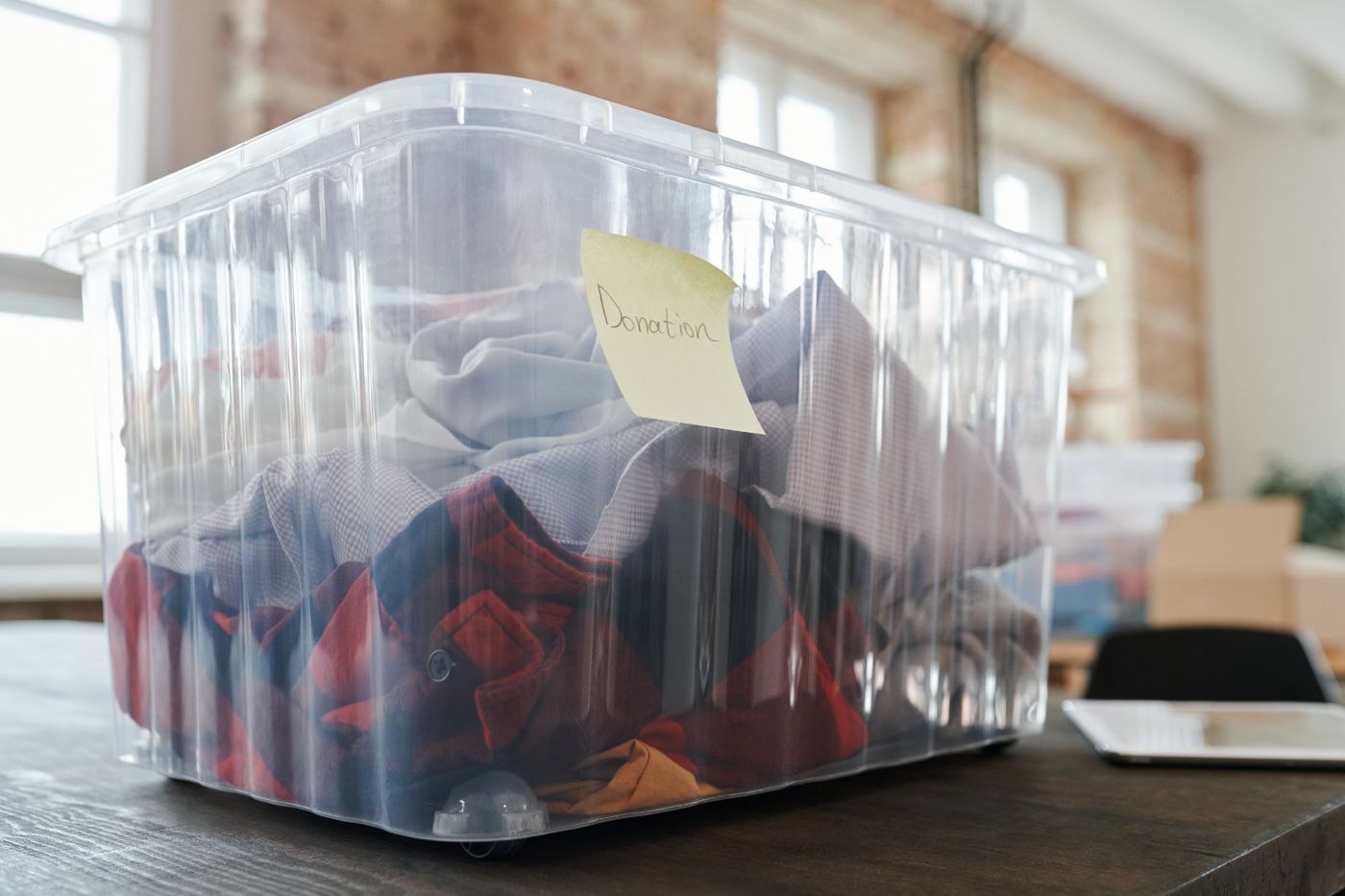
Put laundry in its usual destination, separating damp items appropriately. Gather borrowed serving pieces in one identifiable place and note whose they are. Keep found belongings secure and arrange their return without mixing them into household storage.
Choose a manageable washing sequence based on appliance capacity and drying space. Starting several jobs at once can leave wet textiles and dishes waiting without a clear finish. Complete the stage you can reasonably manage.
Share a clear scope
If others are helping, assign concrete tasks such as collecting dishes or returning chairs. Avoid vague requests to “sort everything out.” Explain any item that needs special handling so it is not damaged during well-intended cleanup.
Leave optional work for a named later time if needed. A short list can hold it without requiring you to keep remembering it while resting. Do not let the list grow into unrelated household tasks that the visit merely made visible.
Keep one useful observation
Notice a detail that would make the next visit easier: too few serving utensils, an unclear place for coats, or an extra chair that blocked the route. Solve that specific issue when convenient rather than buying a large set of entertaining equipment.
The reset is complete when the home supports its next ordinary use and the remaining jobs have a clear plan. It does not require erasing every sign that people spent time there.