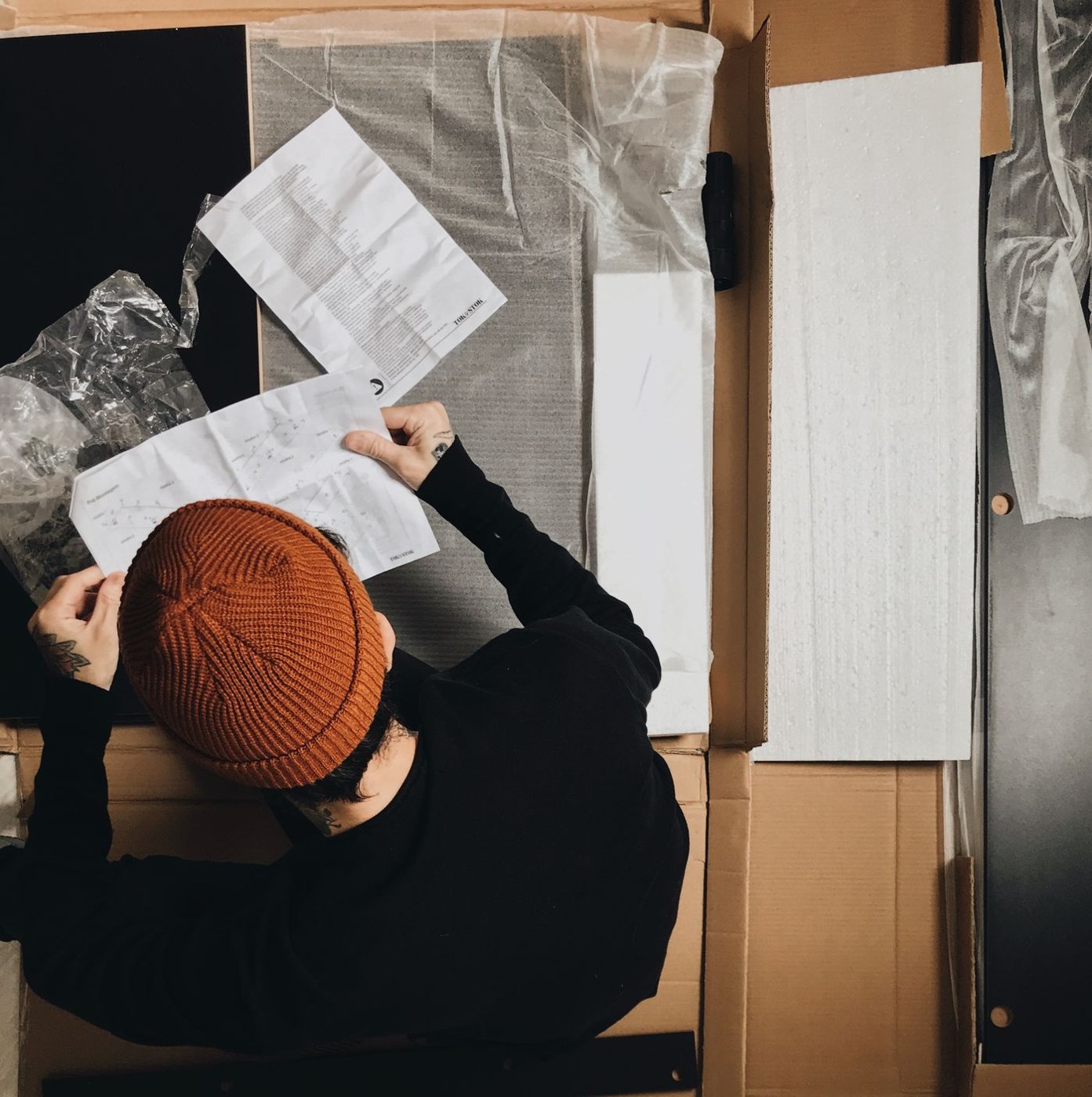
A bulky-item collection involves more than choosing a date. The service may limit item types, sizes, quantities, or placement, and some objects need a different disposal route. Check the actual provider’s current instructions before dismantling furniture or carrying it to the curb.
Identify the item accurately
Note what the item is, its approximate dimensions, and any special materials or components. Furniture, mattresses, appliances, electronics, and hazardous items may be handled differently. Do not assume a general collection accepts everything too large for an ordinary bin.
Check whether the service requires booking, payment, a label, or a limit on the number of pieces. Confirm any requirements for preparation, such as keeping parts together or arranging a separate appliance collection. Rules differ by locality and provider, so use the relevant official instructions.
Consider a usable alternative before disposal
If the item is safe and serviceable, a donation or direct reuse route may be possible. Confirm acceptance and collection arrangements rather than assuming an organization will take it. Be honest about condition and do not pass on an unsafe or recalled product as an ordinary usable item.
If repair is a realistic option, decide before scheduling removal. Avoid holding a large item indefinitely for an uncertain repair that has no next step. A clear decision makes the collection plan easier to complete.
Plan the movement through the home
Measure doorways and turns, and arrange suitable help or a qualified moving service where needed. Follow the item’s instructions for disassembly if appropriate. Keep tools and detached parts contained so they do not create hazards.
Do not remove essential safety fittings or disconnect utilities without the appropriate knowledge and assistance. Appliances or fitted items may require professional handling. The fact that an object is being discarded does not make its removal harmless.
Use the correct placement and timing
Follow the provider’s guidance about where and when to leave the item. Keep sidewalks, ramps, exits, and access routes clear. Do not expose it to weather unnecessarily if that could complicate handling or a reuse arrangement.
If collection is missed, contact the provider and follow the next instructions. Leaving the object outside indefinitely can create problems for neighbors and access. Keep booking details available until the collection is complete.
Finish the space afterward
Check for loose fixings, sharp fragments, or debris where the item stood and along the moving route. Clean the area appropriately and restore any furniture or safety arrangements affected by the move.
Before replacing the item, consider why it stopped serving the household. Its size, maintenance demands, or location may have been part of the problem. A removal is a useful chance to measure and reconsider, rather than automatically filling the same footprint with another object.