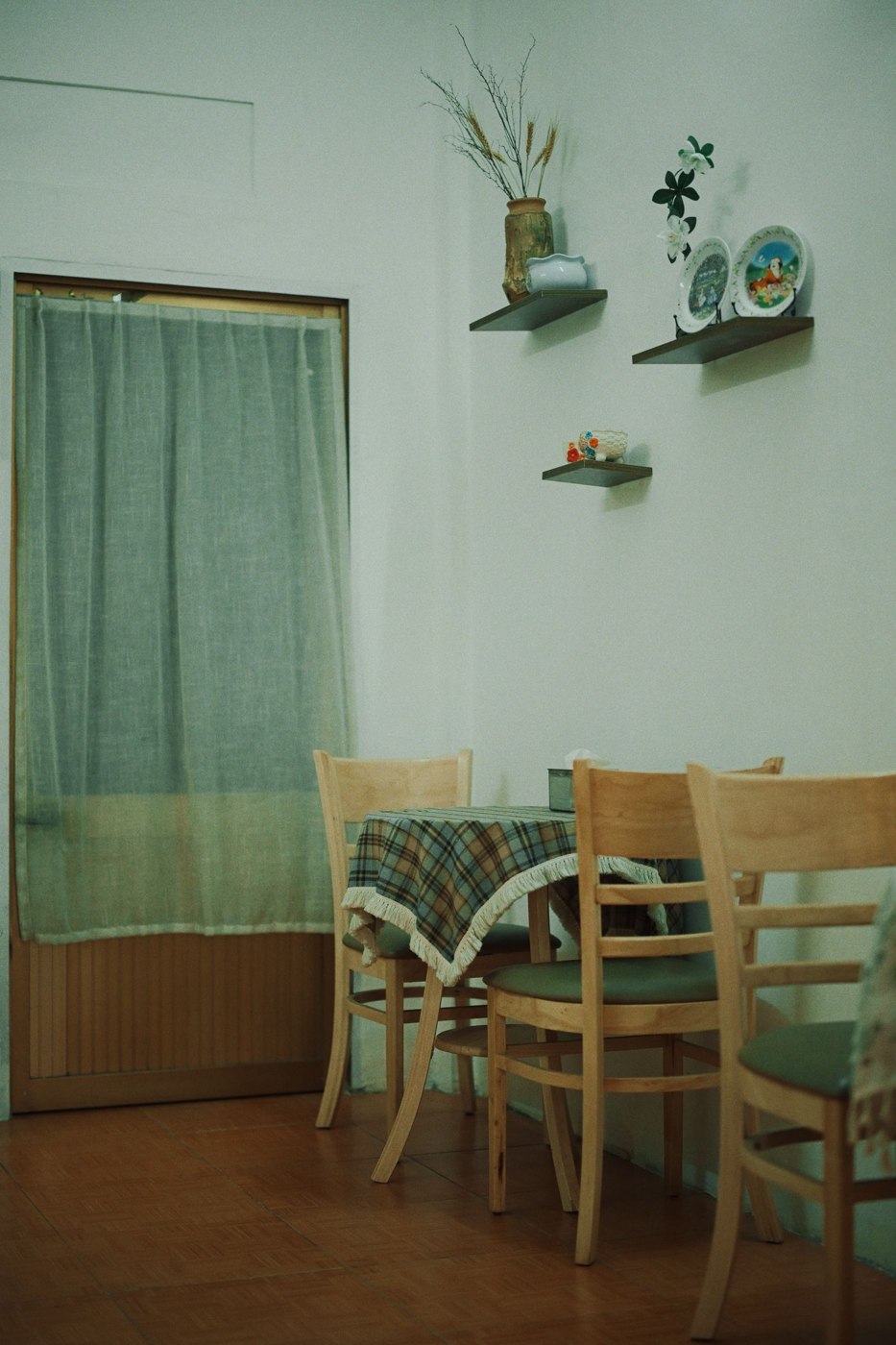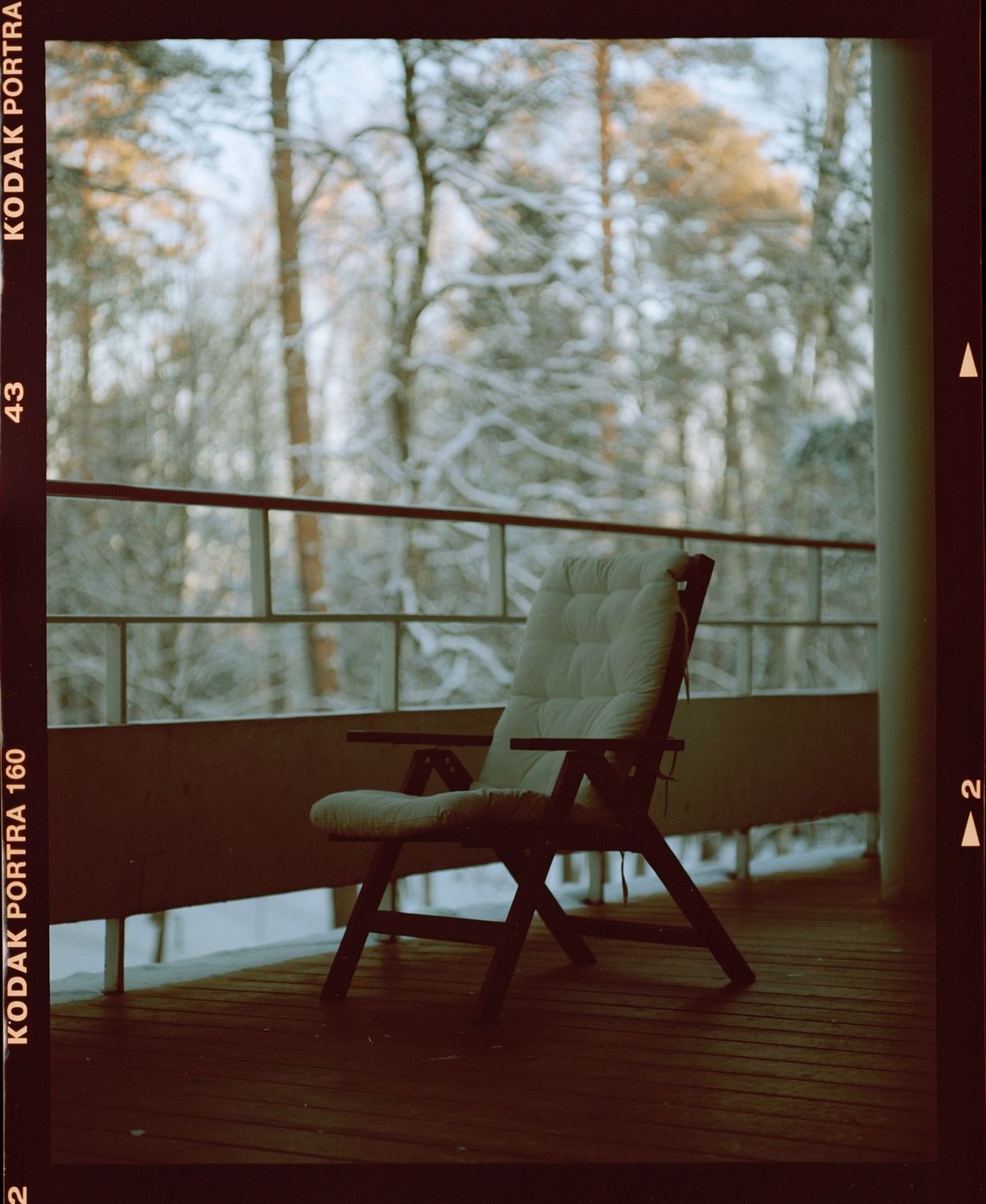
A balcony does not need a full outdoor dining set to be useful. One comfortable place to sit may be enough for a cup of tea or a short pause. Begin with the available space and exposure, then add only the objects that can be used and stored safely.
Keep the entrance usable
Open the balcony door fully and check the route from inside to the seat. Avoid placing furniture where it interferes with the door, drainage, or any required exit route. Follow building rules about balcony use, fittings, and allowed furniture rather than assuming every small outdoor space has the same limits.
Choose a stable chair intended for outdoor use and the surface available. Try sitting down and standing up without touching the railing for support. A small table can be useful, but it should not force someone to squeeze sideways through the doorway.
Use a simple space and storage plan
Sketch the door swing and the furniture footprint before ordering anything. Include the space needed to sit down, stand up, and carry a cup back inside. If the chair folds, measure its folded form too and identify where it will be stored. A balcony can have enough room for a chair in use but no sensible place to keep it when strong weather arrives or the space needs cleaning.
For a small rental balcony, a workable routine might be bringing out one cushion and a drink, then returning both indoors after the break. Compare that with an arrangement involving several cushions, a rug, plant stands, and a folding table. The second option may look fuller while requiring much more handling. Check whether rain collects where you intend to stand and whether the seat remains usable after a shower. Report drainage or structural concerns through the appropriate building contact rather than trying to conceal them with a rug or platform. Before buying large planters or heavy furniture, obtain any necessary information about permitted loads and building restrictions; the size of the visible floor area is not a reliable way to infer its capacity.
Plan for weather before decoration
Observe wind, direct sun, and rain at the times you expect to use the balcony. Lightweight cushions and loose decorations need secure storage when the weather changes. Do not place objects where they could fall onto people or property below.
Avoid attaching anything to railings or the building without appropriate permission and confirmation that the fixing is suitable. Check restrictions before adding a screen or shade. A portable solution that cannot be safely secured in the actual conditions is not a useful improvement.
Keep the arrangement modest
A plant can add interest if its container is stable, its drainage is managed, and it suits the growing conditions. Keep furniture and climbable objects away from balcony edges where children may be present. Supervise children and follow the building’s safety requirements.
Store a blanket or cushion indoors if there is no suitable weatherproof place outside. Bring it out when needed instead of leaving fabric permanently exposed. A short end-of-day check can return loose items indoors and leave the doorway clear. The balcony remains inviting when using it does not require a long preparation or cleanup routine.