Freezing a large container can postpone a decision instead of solving it. When the time comes to eat, the whole block may need attention even though only one serving is wanted. Before freezing suitable food, decide what one useful portion looks like in your household. It might be lunch for one, a side dish for two or a complete family dinner.
Choose the next use before the container
Think about how the food will be served and reheated. A sauce might be useful in smaller amounts than a finished casserole. Separate components when that makes later meals more flexible, provided the food is handled safely. Avoid dividing food into tiny portions merely because small containers are available; the resulting collection can be hard to track.
Check whether the food and its packaging are suitable for freezing. Follow product instructions, including any limits on freezing, thawing or refreezing. Use freezer-suitable containers or wrapping and leave appropriate space where the food or container instructions require it. Do not assume a reused jar or thin takeaway container can tolerate every temperature change.
Treat cooling as a separate safety step
Freezing does not repair food that has been handled unsafely. USDA guidance calls for prompt refrigeration of perishable leftovers, within two hours or within one hour when conditions are above 90°F. Divide large amounts into shallow containers for faster cooling. Refrigerated leftovers generally need to be eaten or frozen within three to four days; follow any more specific food instructions.
Prepare your containers and labels before cooking finishes. This prevents the storage step from becoming a late-night search through cupboards. If the freezer is full, decide what space is actually available before making a batch that depends on freezing. Keep the refrigerator and freezer at their recommended temperatures and avoid treating an overcrowded drawer as unlimited capacity.
Write a label that answers a meal question
Include the food name, date and useful portion information. “Tomato sauce, two portions” is easier to act on than a date alone. Add a concise note when the item needs a particular finishing step, while keeping the original recipe or product instructions available. Do not invent a universal freezer life for foods with different quality and handling needs.
Use a label that remains readable on the chosen packaging. Position it where it can be seen in the drawer, not only on a lid hidden under several other containers. If several similar items are stacked, keep the earlier ones accessible so they are not repeatedly covered by new batches.
Put a frozen portion into the meal plan
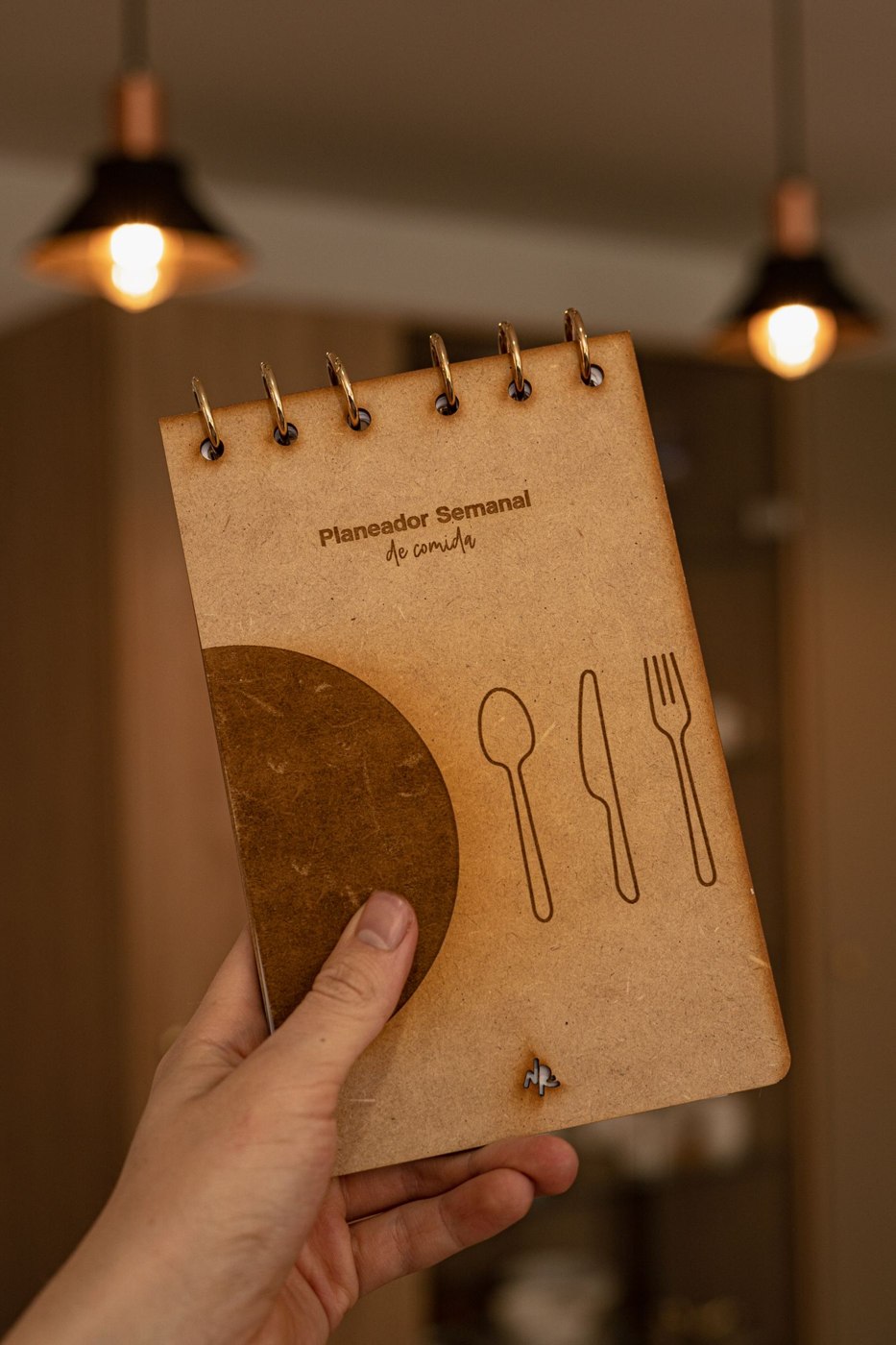
When planning the week, choose a particular portion and arrange a safe thawing or reheating method in advance. A short freezer list helps if containers are difficult to see, but cross items off when they leave. The list does not need to record every ice cube; it needs to make future meals apparent.
After using a portion, notice whether its size worked. Too much leftover sauce or an undersized dinner is useful feedback for the next batch. A freezer becomes easier to use when its contents resemble the meals you want, rather than a collection of containers filled to whatever size happened to be available.