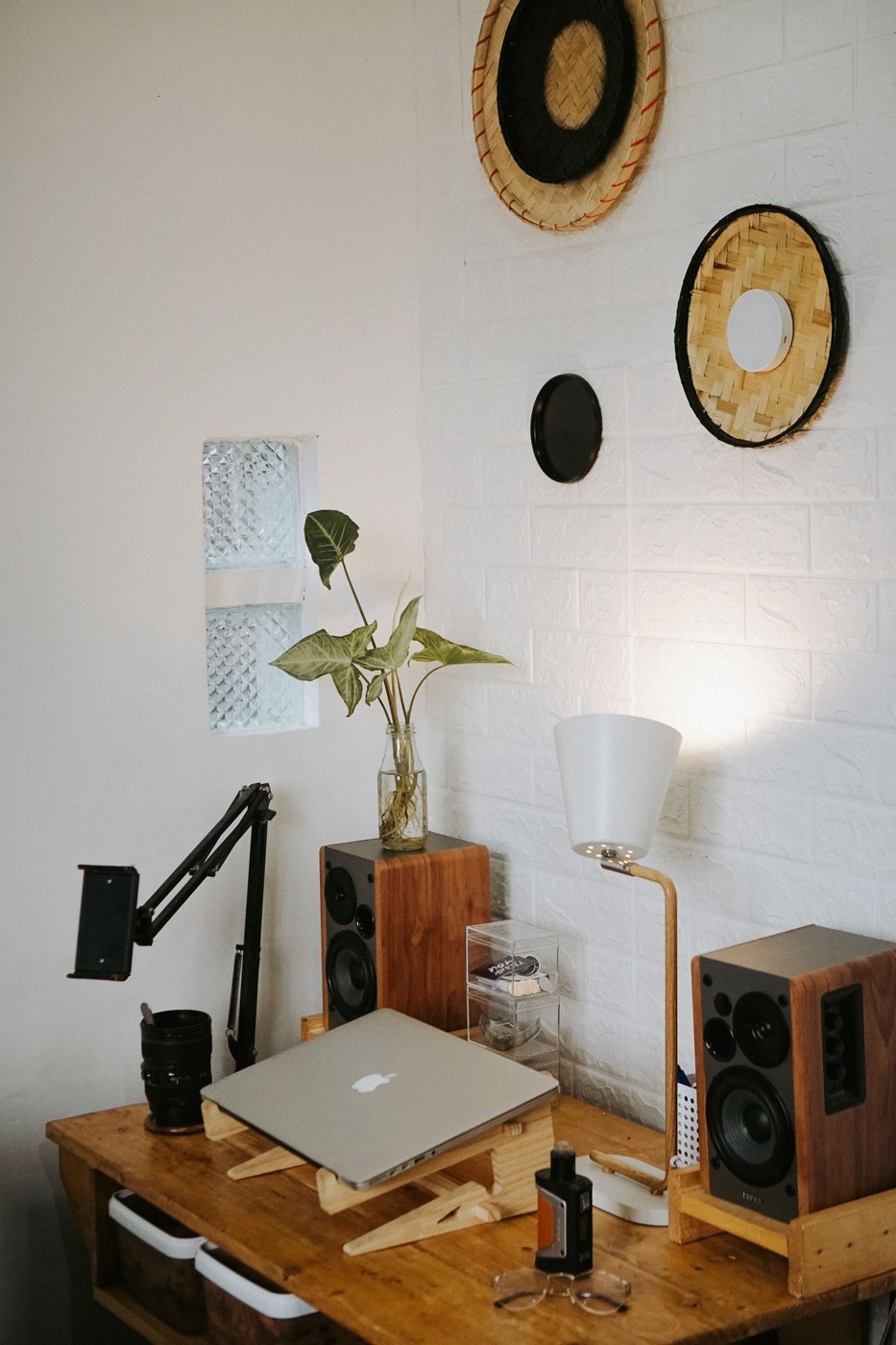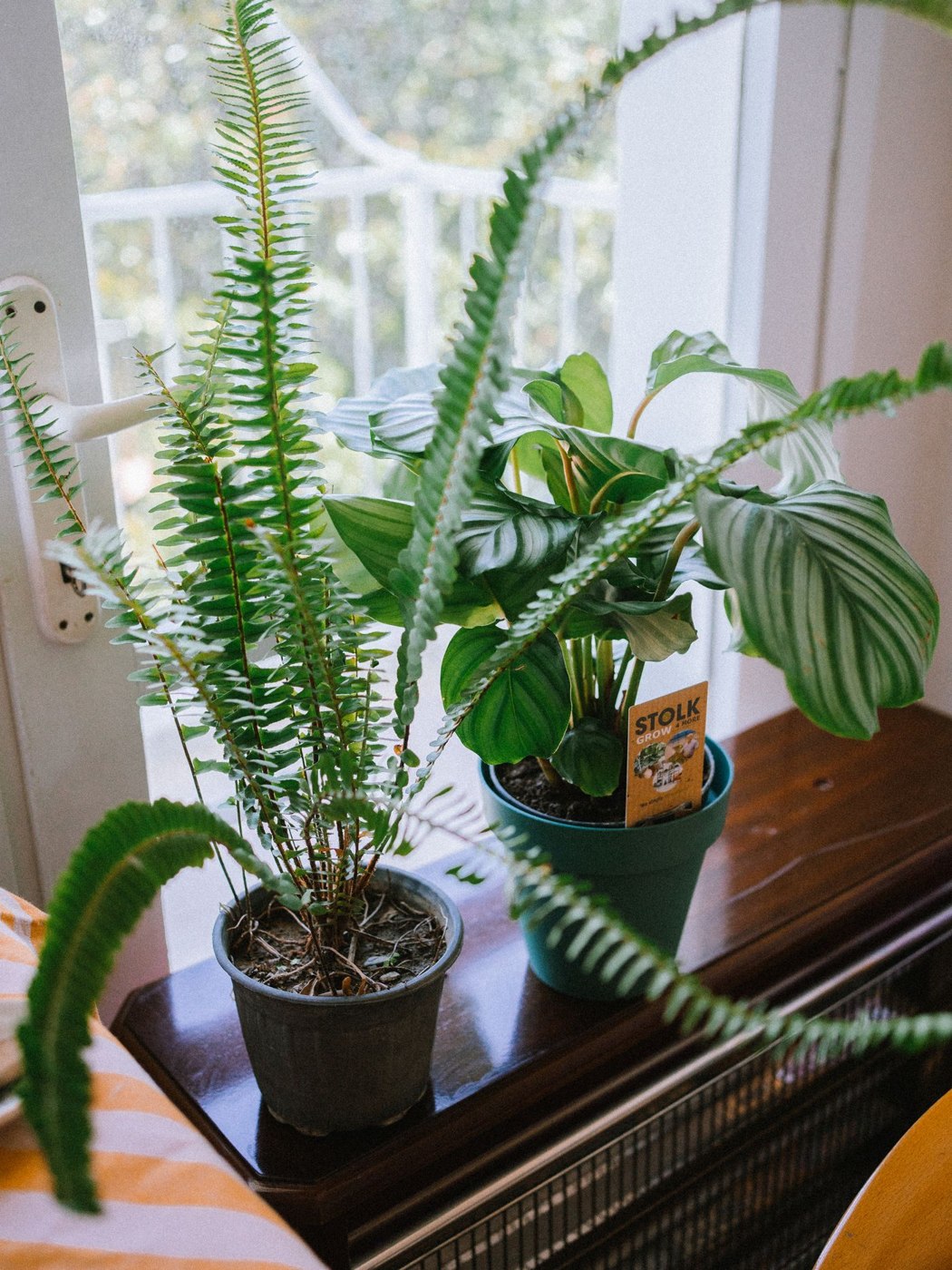
A plant label that says easy-care tells you little about its suitability around a cat or dog. Choosing houseplants in a home with pets begins with accurate identification, then a check against a reliable toxicity resource. Placement and the pet’s behavior matter too, but they do not replace knowing what the plant is.
Get a dependable name
Keep the nursery label and look for the botanical name as well as the common name. Similar-looking plants and shared common names can cause confusion. If a plant is unlabeled, ask the seller or a knowledgeable horticultural service to identify it before bringing it into a space accessible to pets.
The ASPCA’s plant database provides information for different animals and cautions that its list is not exhaustive. Check the entry for the species of pet in your household. Do not treat the absence of a search result as proof that a plant is safe, or rely on a photograph alone when the name is uncertain.
Check every new arrival, including gifts
Plants can enter a home as gifts, bouquets, cuttings, or temporary holiday decorations rather than deliberate purchases. Apply the same identification check to these items. A cutting in a jar may lack the original label, and an arrangement can contain several species even when the gift card names only one. Keep an unidentified item away from pets while you obtain reliable information, or choose not to bring it into their environment.
When searching a database, compare the full botanical name rather than stopping at a familiar word in the common name. Save the relevant entry and its animal category with the plant record. If the seller’s name and the database entry do not agree, resolve the discrepancy instead of choosing the more reassuring result. Photographs can help a professional identify a plant, but look-alike leaves, different growth stages, and cultivated varieties can complicate casual comparison. An attractive pot or a “pet friendly” marketing tag is not enough information by itself. Ask what plant is included and what source supports the claim before treating it as suitable for the household.
Understand what non-toxic means
The ASPCA notes that eating plant material can still cause vomiting or gastrointestinal upset even when a plant is listed as non-toxic. A non-toxic listing is not an invitation to let a pet chew the plant. Avoid using the display as a source of entertainment or assuming that a curious animal will stop after one taste.
Consider the whole arrangement. Fertilizer, pesticides, decorative stones, potting materials, and the container itself can create concerns separate from the plant. Keep care products stored securely and follow their instructions. A heavy pot that can be pulled from a shelf is a physical hazard even if the plant has a favorable toxicity listing.
Plan around the animal you live with
A cat that jumps onto bookcases and a dog that leaves furniture alone need different access arrangements. Do not assume a high shelf provides reliable separation. Choose locations that remain stable and accessible for care without creating a climbing route or an attractive dangling object.
Introduce any new arrangement under observation. Notice whether the animal investigates fallen leaves, spilled soil, or water in a saucer. Remove debris and keep the area orderly. If preventing access requires constant vigilance, reconsider whether the plant belongs in that part of the home.
Keep information available
Save the plant’s name and a clear photograph with your household records. This can be useful if a pet becomes ill or you need advice about a possible exposure. Keep the original plant label where it can be found rather than discarding it once the pot is arranged.
If you suspect a pet has eaten a harmful plant or another substance, contact a veterinarian or an animal poison service promptly. Do not wait for a household routine or an internet comparison to establish the cause, and do not attempt treatment based on a general plant article. A decorative choice is easy to change; uncertainty about an animal’s exposure deserves professional advice.