A mirror does not create floor space, but its placement can change what you notice when you enter a room. Before buying one, stand where you expect it to hang and look in the direction it will face. That view may include daylight, a doorway, a crowded shelf, or the back of a television. The reflection becomes part of the room, so choose it as deliberately as the frame.
Test the view before the size
Use a mirror you already own, held safely by another adult, to explore possible positions. Avoid balancing a large mirror against furniture for an extended trial. Look from the entrance, the main seat, and any place where you regularly stand. A pleasing reflection from one angle may produce glare from another.
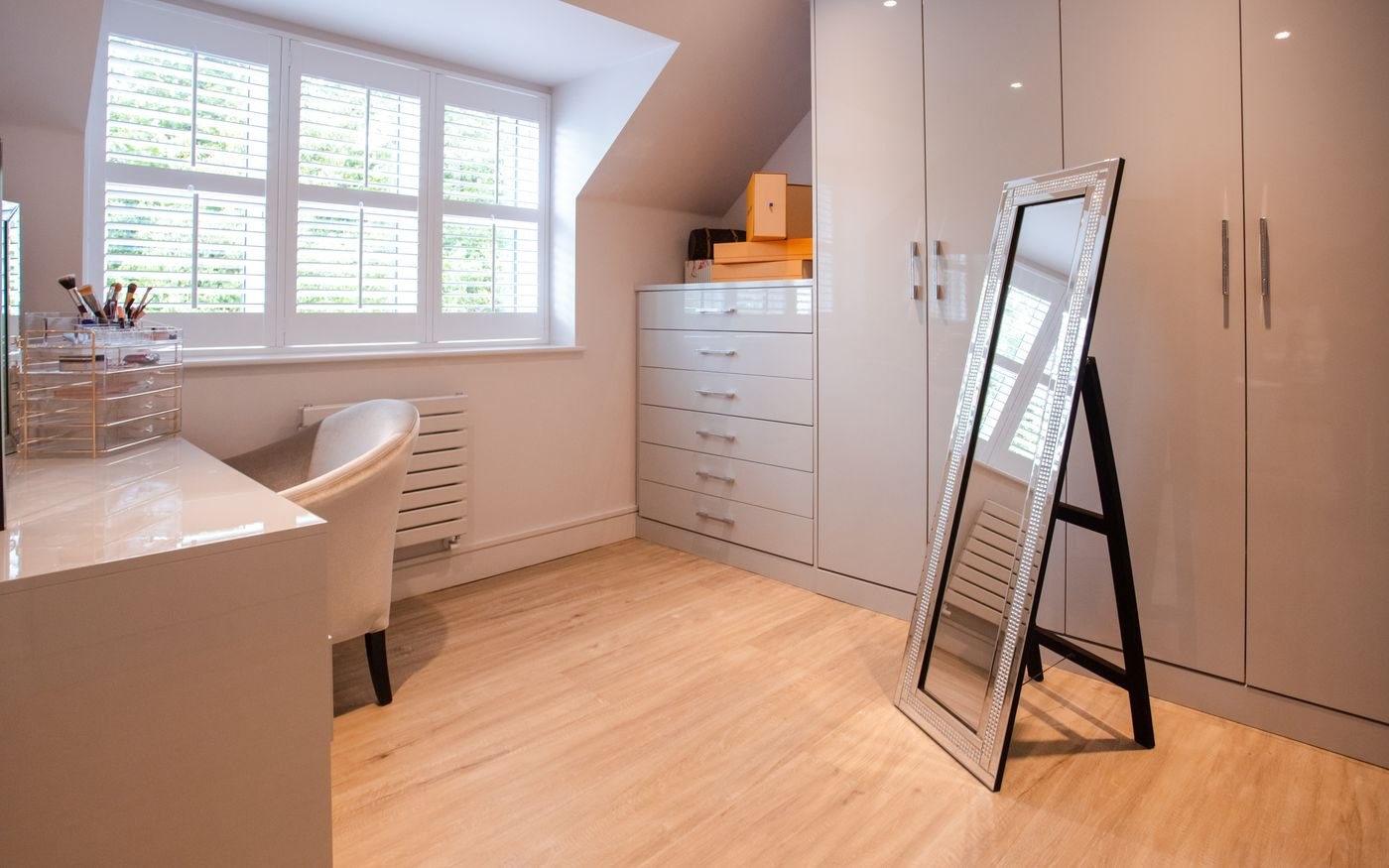
For a dressing mirror, function comes first. Check whether the full outfit is visible at a comfortable distance and whether the door can still open. A mirror behind a door may be convenient, but its fixing method must suit the door and the mirror's weight. Follow the mounting instructions rather than improvising a hook arrangement.
Consider light and privacy
Notice what happens at different times of day. Reflected light may brighten a corner, but direct glare can make a desk or sofa unpleasant. Adjust the proposed angle or choose another wall if a strong reflection lands where someone reads or uses a screen.
Think about privacy in shared spaces. A mirror near a doorway can reveal more of an adjoining bedroom or bathroom than expected. Check that view with doors in their usual positions. In a studio apartment, a reflection of the bed may work against the separation you were trying to create with furniture.
Leave enough room around it
A large frame can compete with shelves, switches, or a narrow passage. Mark its outer dimensions with removable tape suitable for the wall surface, and live with that outline briefly. Include the frame rather than measuring only the glass. Consider how you will clean the mirror without climbing over furniture.
Use the hardware and wall fixings specified for the mirror and wall type. If the wall's construction or the load is uncertain, get appropriate installation help. A heavy leaning mirror should be secured as directed, especially in a household with children or pets.
One well-positioned mirror can be enough. Add another only when it serves a separate purpose. The goal is a useful view and a comfortable room, not a collection of reflective surfaces that repeats every object in it.