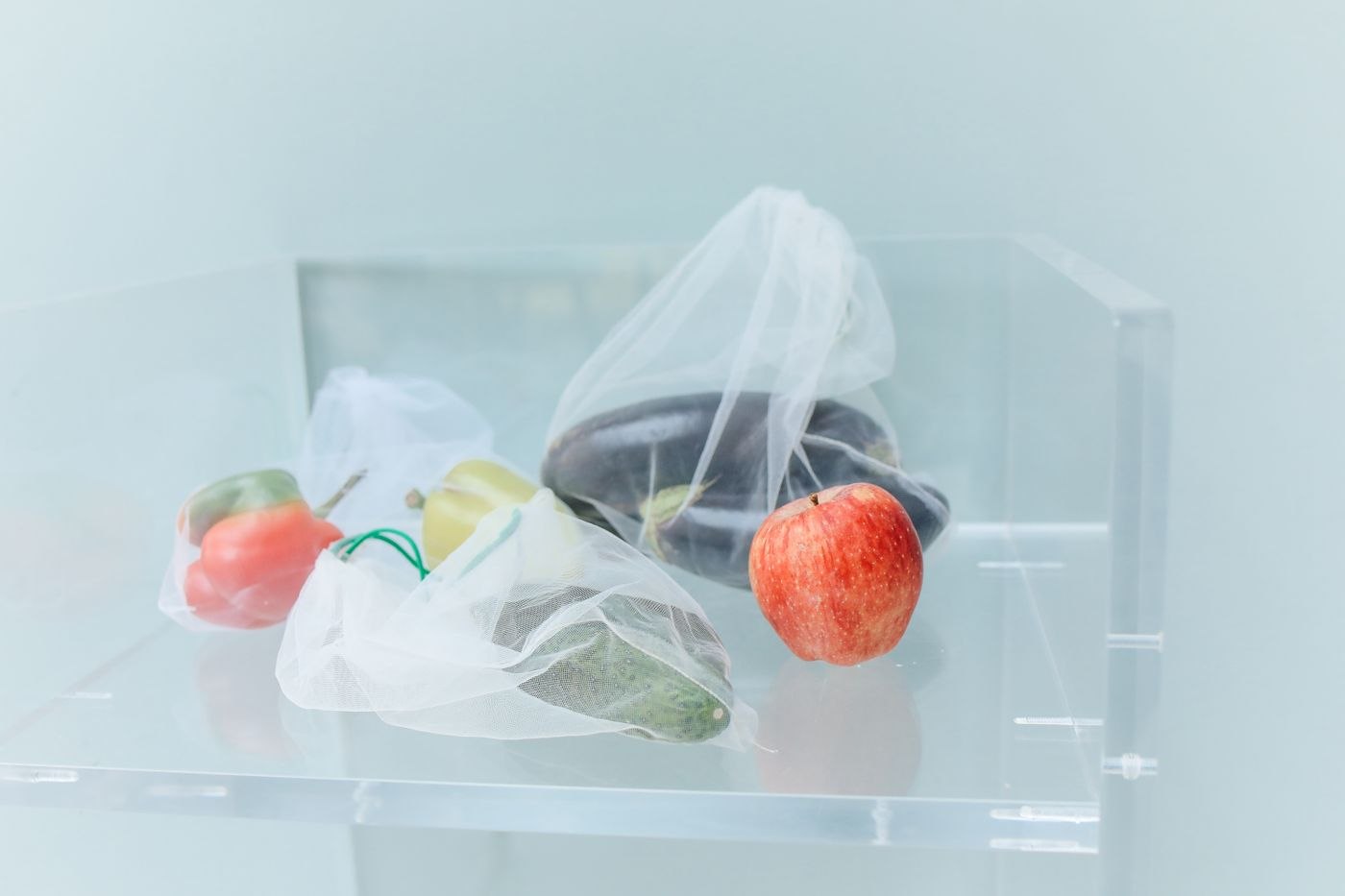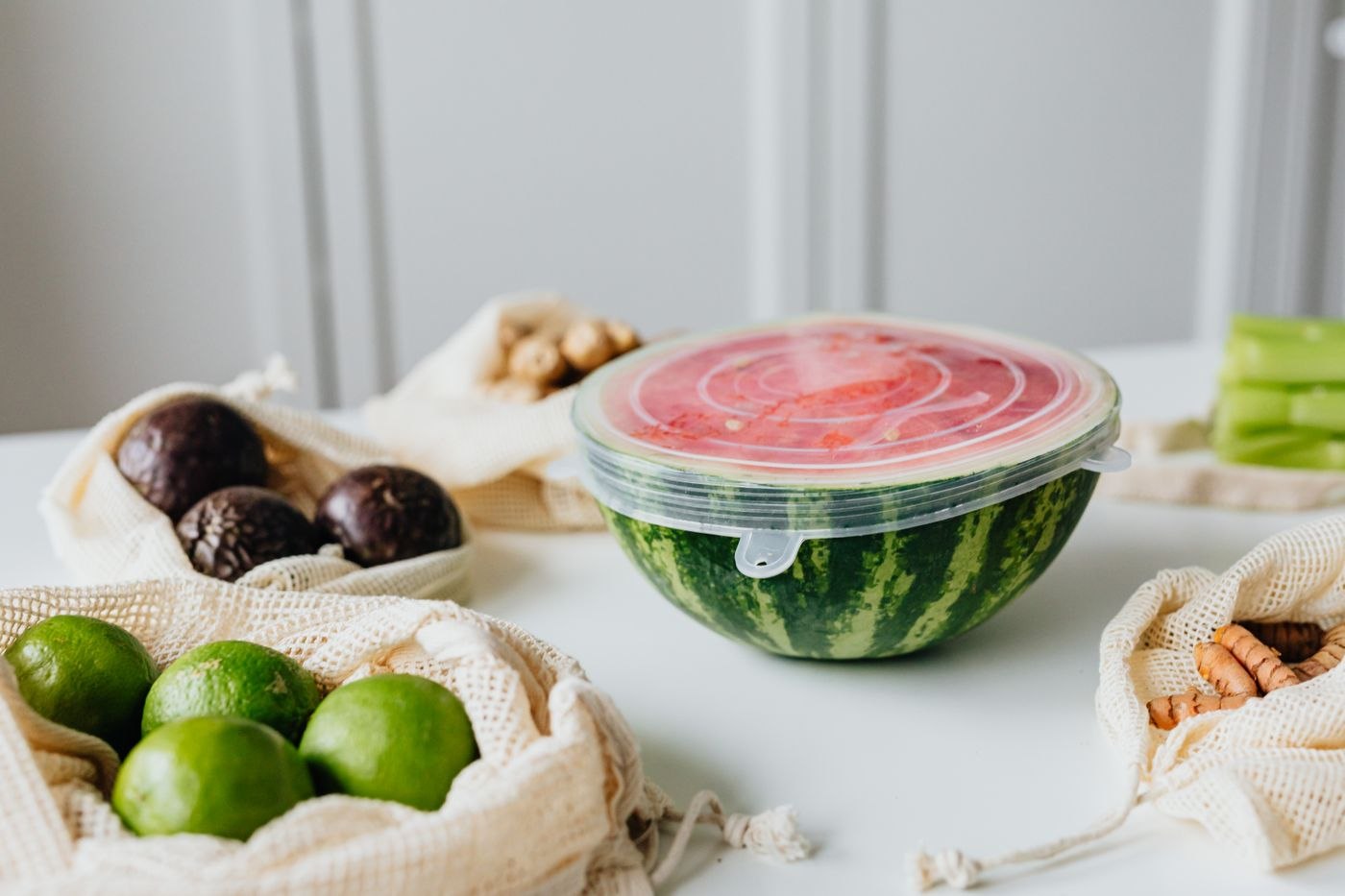
Reusable food wraps are easy to buy and surprisingly easy to forget. They are more likely to be used when their sizes are visible and their care requirements fit the kitchen routine. Start by separating different materials instead of treating every wrap and cover as interchangeable. Waxed cloth, silicone covers and reusable bags may need different handling.
Check what each item is intended to cover
Read the manufacturer's directions for permitted foods, temperatures and cleaning methods. Do not assume that a wrap is suitable for hot food, raw animal ingredients, freezing or microwave use merely because another reusable product is. Keep any important restrictions accessible to other household members.
Match the wraps to the bowls, cut produce or containers you normally use. An assortment of tiny pieces will not help with a large mixing bowl, while oversized pieces can be awkward for small items. Knowing which sizes earn their place is more useful than collecting every available format.
Give clean wraps a clear home
Choose a shallow drawer section, a clean folder-like divider or another arrangement that keeps the wraps visible without crushing them into a tangled ball. The storage should protect clean surfaces and make it easy to remove one item. Follow any instructions about folding, heat or storage conditions for the material.
Avoid placing the collection in the narrow gap beside a hot appliance simply because it is unused space. Convenience matters, but so does the item's care guidance. If wraps are difficult to reach, move less frequently used kitchen supplies rather than accepting a location that discourages everyday use.
Plan the route back from washing
The difficult stage is often drying. Reserve an appropriate place where washed items can dry fully according to their instructions. If several wraps are usually washed together, make sure that space can hold them without creating a stack of damp surfaces.
Tell other people which items need different washing treatment. A small care note inside the storage drawer can be enough; it need not become another display on the counter. Keep cleaning instructions with the collection until the household knows the routine.
Notice when an item stops working
Review the wraps occasionally for damage or changes that affect their intended use. Follow the manufacturer's replacement or maintenance advice rather than assuming every material can be repaired in the same way. A wrap that no longer closes properly may not be suitable for its previous job.
Reusable storage is only useful when it works with safe food handling. Choosing a wrap does not change how long food can remain out of refrigeration or its appropriate storage time. Keep food dates and handling requirements separate from decisions about the covering, and use a suitable container when the wrap is not the right tool.