A broken object occupies two kinds of space: the shelf where it sits and the decision about what to do with it. Separating repair candidates from ordinary storage makes the decision visible. The next step is to establish whether repair is suitable, who can do it, and when it will happen.
Identify the fault without improvising a repair
Write a short description of what stopped working or which part is damaged. Include the model or product name where useful. Keep loose components together in suitable packaging so a repairer can see what belongs to the item.
For electrical, structural, safety-related, or specialized products, seek appropriate qualified advice. Do not continue using an item that may be unsafe while waiting for a convenient time. A label saying “repair” does not make a damaged product safe to leave accessible.
Check whether a route exists
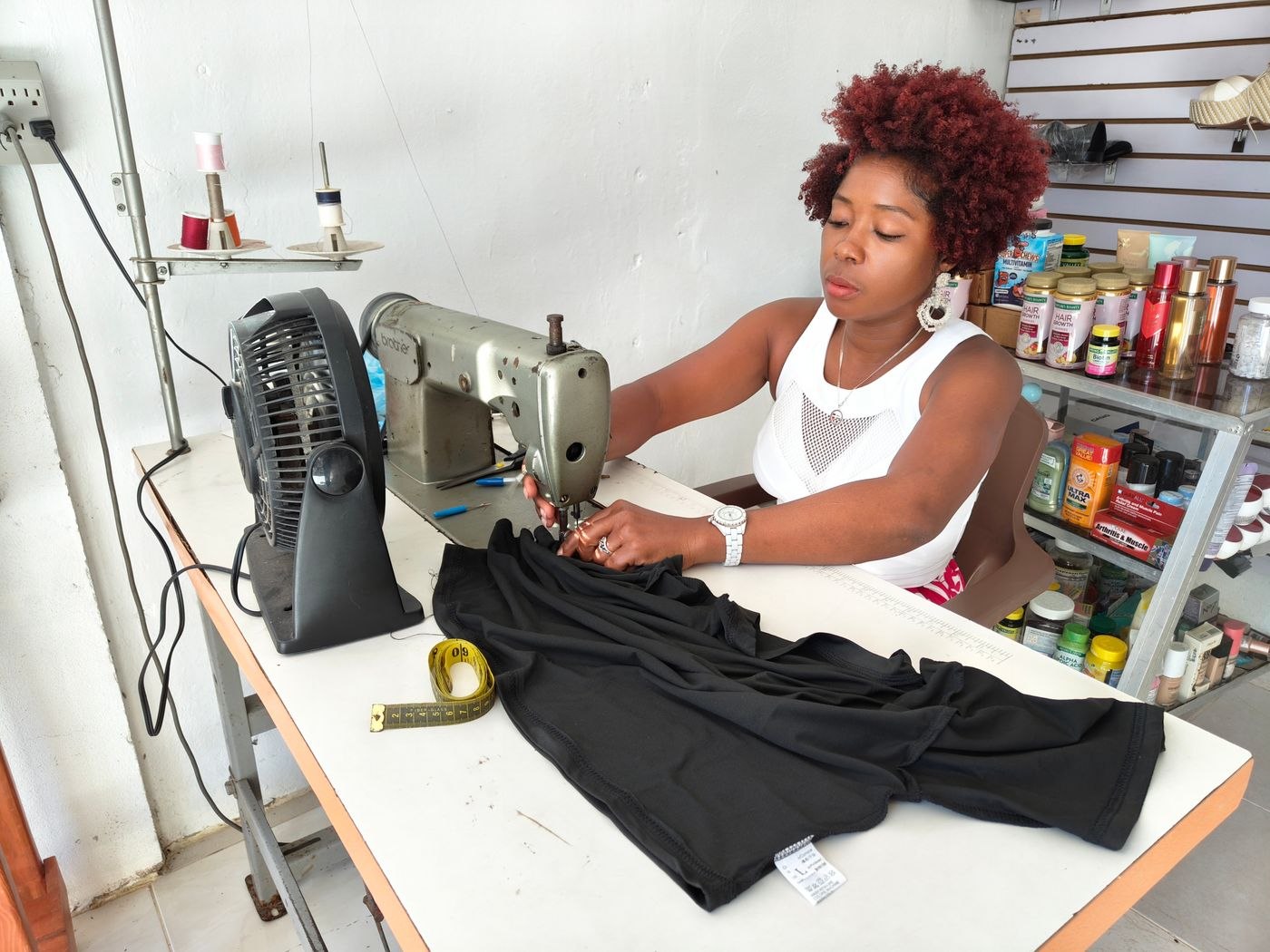
Look for manufacturer guidance, replacement parts, warranty terms, or a suitable local repair service. Confirm the current terms rather than assuming an old guarantee still applies. A repair estimate can help you decide whether the item remains useful for your circumstances.
Consider more than purchase price. An object may fit a particular space or have personal meaning, while another may no longer serve a need even if it can be repaired. Avoid automatically replacing something before deciding what role it has.
Create a bounded waiting place
Keep repair items separate from ready-to-use goods and away from children or anyone who might mistake them for working equipment. Choose storage appropriate to the damage. Leaking batteries, chemicals, or other hazardous conditions require specific handling guidance rather than an ordinary repair box.
Attach the next action: obtain a quote, order an identified part, or take the item to a named service. Add a review date that fits the task. This prevents “someday” from being the only plan.
Decide when repair will not proceed
If parts are unavailable or the item no longer suits the household, choose an appropriate disposal or recycling route. Check local requirements for electronics, batteries, chemicals, and bulky objects. Do not donate an unsafe item without clearly understanding whether the recipient accepts repair projects.
Keep any useful parts only if they have an identifiable purpose. A collection of miscellaneous salvaged pieces can recreate the same unresolved problem in a smaller form.
Return the item to use deliberately
After repair, follow the repairer’s or manufacturer’s instructions and confirm the item is suitable for use. Return it to its proper location and remove the temporary note. Keep relevant service records with the item’s documentation.
Review the waiting place regularly enough that it does not become permanent storage. A completed repair, an informed decision not to repair, and an appropriate disposal are all valid finishes. The purpose is to resolve the object’s status rather than keep it hidden between categories.