A refrigerator clean-out is not simply an opportunity to rearrange containers. Perishable food needs to remain at safe temperatures while you work, and the interior materials need a suitable cleaning method. Plan the food’s temporary location before opening every shelf at once.
Prepare a short, workable session
Read the appliance instructions for cleaning removable shelves, drawers, seals, and the interior. Gather suitable supplies and a place to keep food cold while needed. A cooler with adequate cold sources may help, but it must actually maintain safe conditions rather than merely hold the food out of the way.
Work in manageable sections if that allows the task to be completed more promptly. Avoid turning a routine clean into a long sorting session with perishable items sitting on the counter. Decisions about questionable food can be made before the detailed cleaning begins.
Assess food with more than appearance
Check storage history, labeling, and relevant food-safety guidance. USDA explains that harmful bacteria may not change a food’s smell, taste, or appearance. Do not taste an uncertain item to decide whether it is safe.
Keep raw ingredients contained and separate from ready-to-eat food while moving items. Deal with leaks or spills promptly and avoid carrying contamination from one area to another. If a recall or specific contamination incident is involved, follow the official instructions for that situation rather than treating it as an ordinary tidy-up.
Clean according to the materials
Use the methods permitted by the refrigerator manufacturer. Removable parts may have their own temperature or washing restrictions; do not assume every shelf can go straight from cold storage into hot water or a dishwasher.
Follow cleaning-product directions and do not mix chemicals. Keep products away from food and complete any required rinsing. Dry components as appropriate before replacing them. Avoid abrasive or solvent products unless the appliance guidance specifically permits them.
Restore storage with temperature in mind
FDA recommends a refrigerator temperature of 40°F or below and a freezer temperature of 0°F. Use an appliance thermometer to check actual conditions rather than assuming a numbered dial indicates degrees. Allow the appliance to operate according to its instructions after cleaning.
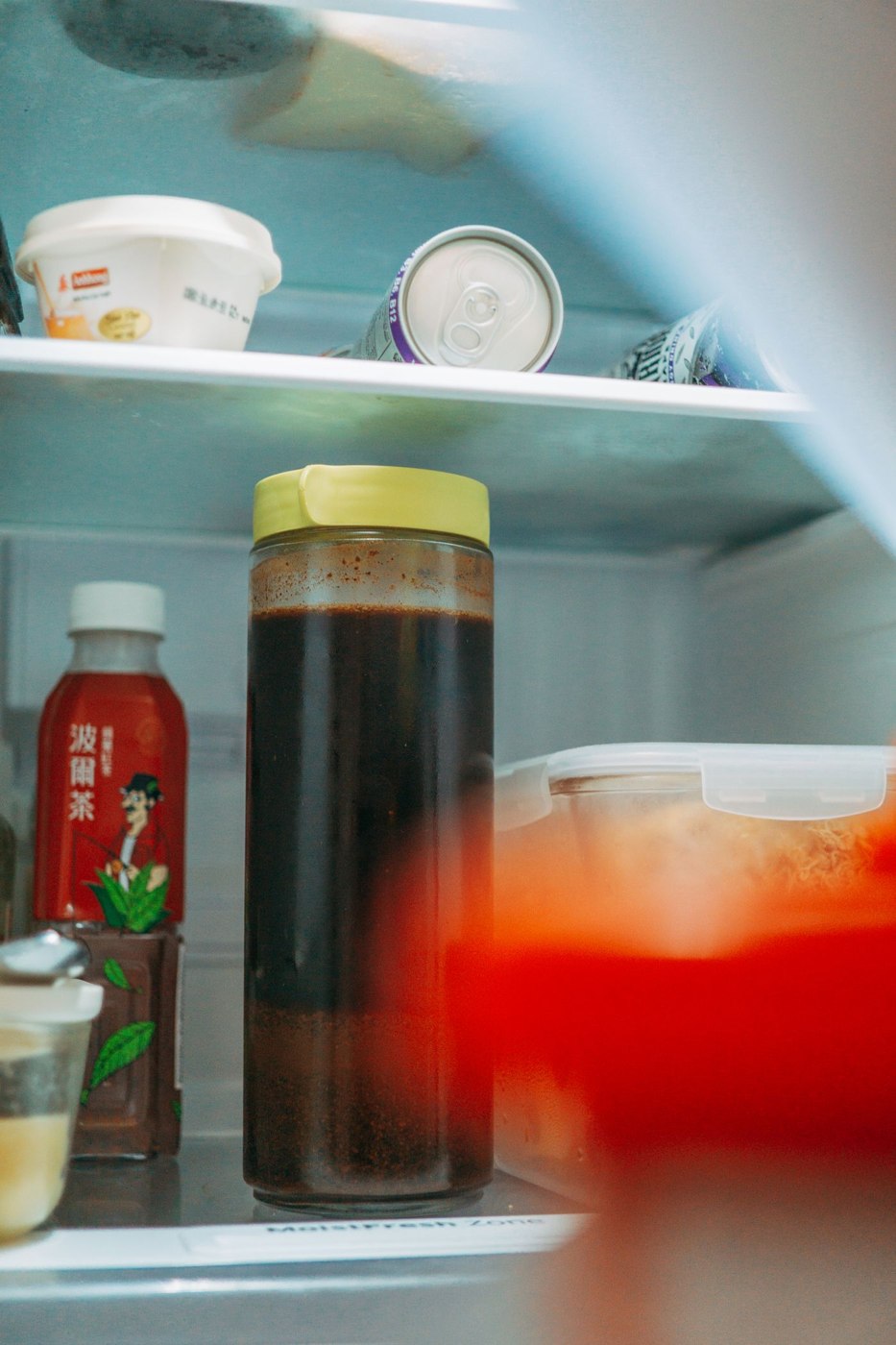
Do not overpack the refrigerator; cold air needs to circulate. Return food to suitable locations, keep raw items contained to prevent drips, and make frequently used items visible. An attractive arrangement should not block vents or place food in an unsuitable zone.
Make the next review smaller
Put foods that need prompt attention where they can be noticed while preserving safe separation. Use clear labels for leftovers and follow food-specific storage guidance. A “use first” area is an organizing aid, not permission to keep food beyond a safe storage period.
Wipe spills when they happen and check a small area during normal meal planning. If several duplicate containers were discovered, adjust the shopping list before adding another organizer. The clean-out is most useful when it reveals a change that keeps food visible and the appliance easy to maintain.