Saving a recipe and choosing to cook it are different activities. A large collection can contain many appealing ideas while making tonight's dinner harder to find. Divide the recipes you already use from the ones you are merely curious about. This keeps familiar meals available without requiring you to delete every interesting possibility.
Build a small working collection
Start with meals you have cooked recently and would make again. Keep the complete recipe or a reliable reference to it, including quantities, method and relevant safety instructions. A photograph of the finished dish is not enough if the actual steps have disappeared behind a broken link.
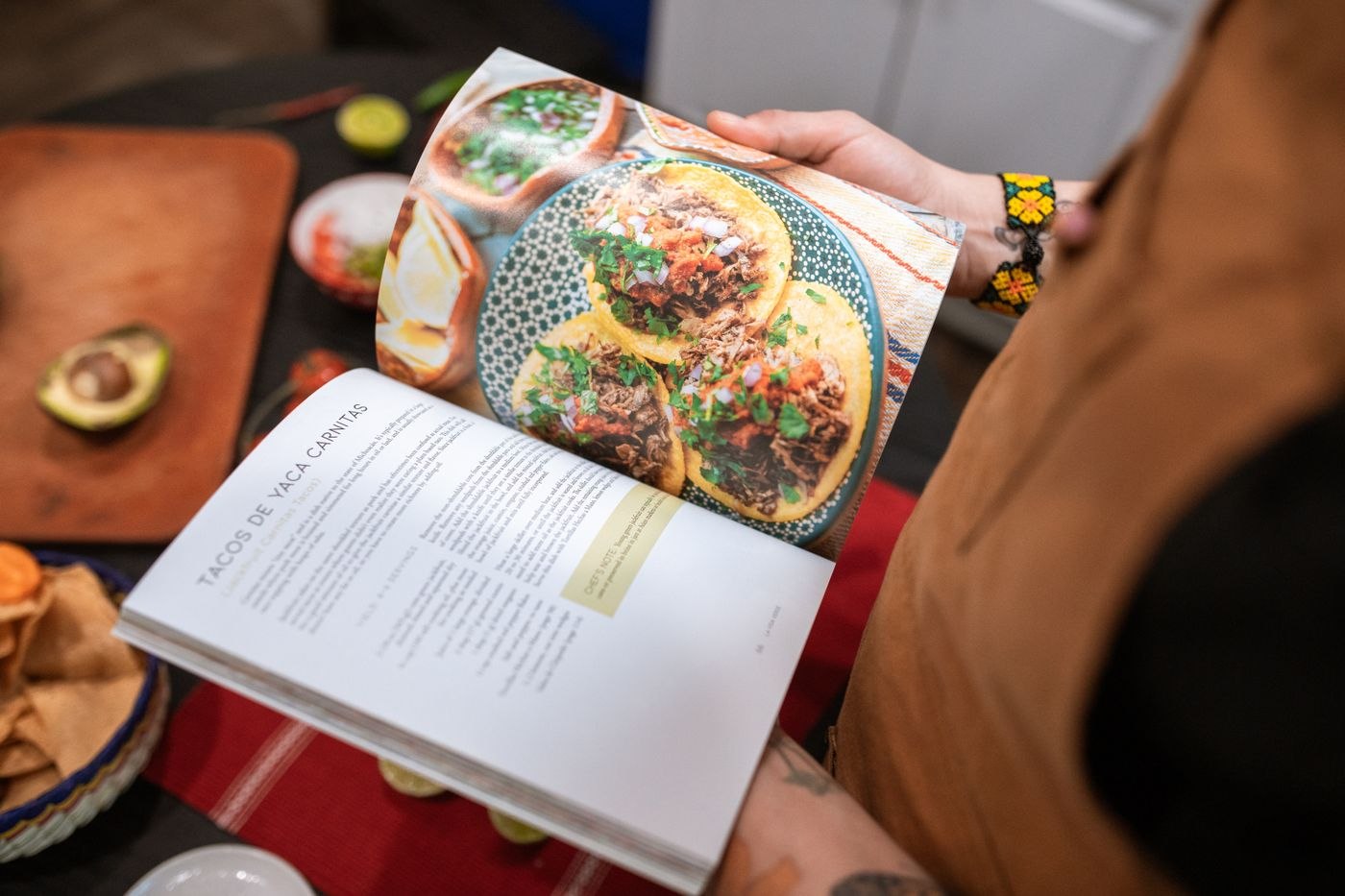
Choose a format that can be opened comfortably in the kitchen. A binder, a small notebook or a digital folder can all work. Consider messy hands, screen readability and whether more than one person needs access. The best format is the one the household can use while cooking, not necessarily the one with the most sorting features.
Sort by the decision you need to make
Categories such as quick evening meals, batch cooking or visitor meals may help more than a complicated ingredient hierarchy. Use labels that reflect your actual choices. If you often decide by cooking equipment, a one-pan group could be useful. If portions are the problem, note which recipes suit a smaller household.
Avoid giving every recipe many labels before you know which ones help. A collection becomes harder to maintain when saving a single dish feels like data entry. Begin with a few useful groups and change them when a search repeatedly fails.
Keep a short note after cooking
Record changes that would matter next time: the pan size used, a preferred amount of seasoning or whether the recipe made more than expected. Distinguish your modification from the original instruction. Do not casually alter safety-critical cooking or preservation instructions; use appropriate guidance for those changes.
A note should describe the result rather than only saying “good.” Perhaps the dish suited lunches, needed a larger bowl, or involved too much last-minute work for a visitor meal. That detail helps you select it for a suitable occasion later.
Give untried recipes a smaller queue
Keep possible experiments separate and choose one when the week has room. Once tried, either move it into the working collection with a note or let it go. There is no obligation to cook every saved recipe. Interests change, and a dish that looked appealing months ago may no longer suit your kitchen.
Check digital links occasionally when planning a meal rather than waiting until the ingredients are prepared. For personal notes or printouts, preserve source names so you can find updates or clarification. A useful recipe collection supports making dinner; it does not need to become another household archive requiring constant attention.