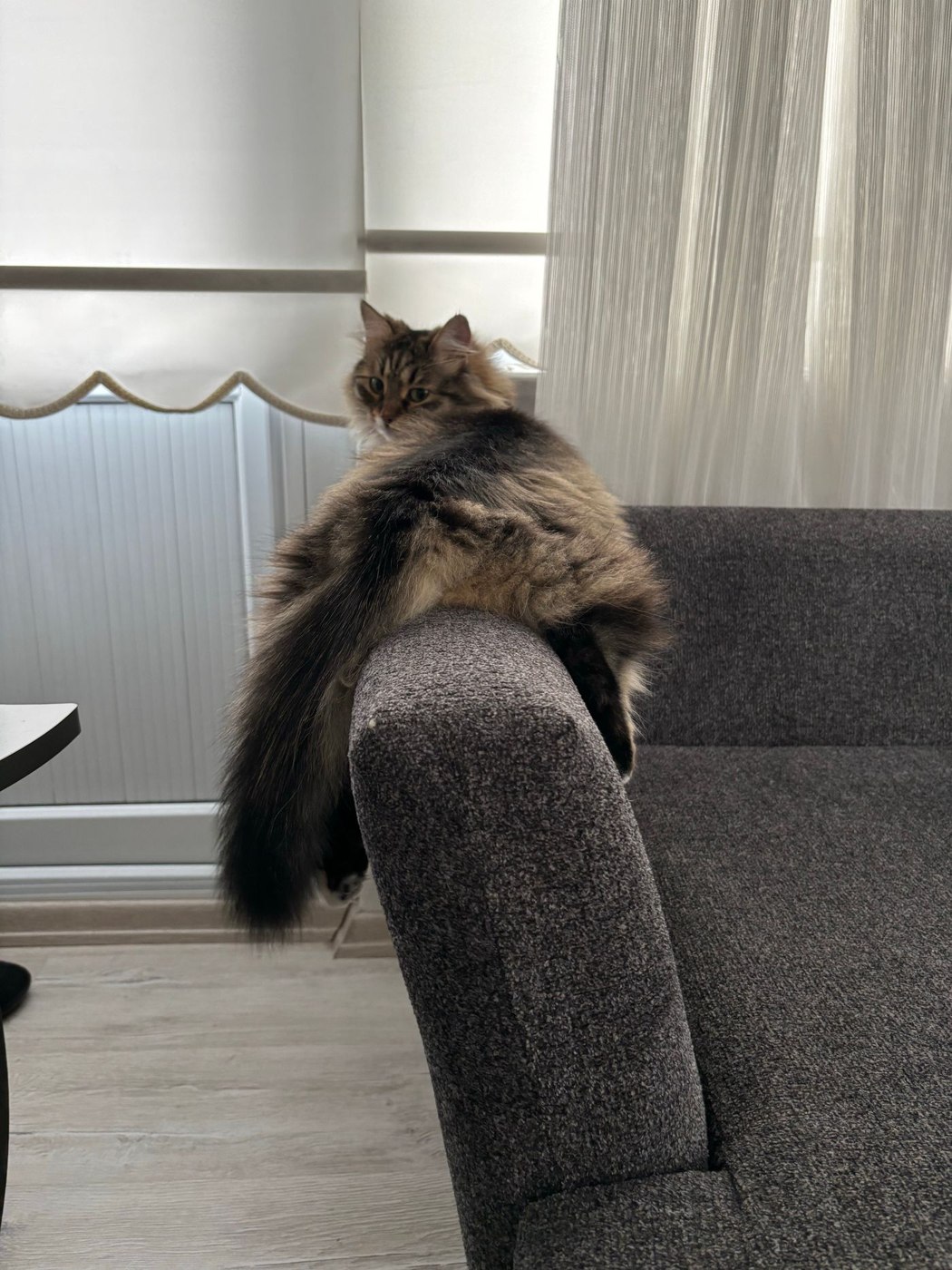
Pet hair rarely spreads evenly through a home. A favorite chair, a blanket by the window, or the back seat of a car may collect much more than other surfaces. Begin with those high-use areas so cleaning effort follows the way the pet lives rather than treating every fabric as the same problem.
Check the fabric before choosing a tool
Read furniture and textile care instructions. A lint roller, fabric brush, or vacuum attachment may be suitable for one material and unsuitable for another. Test a permitted method in an inconspicuous place where appropriate, and stop if it pulls fibers or changes the surface.
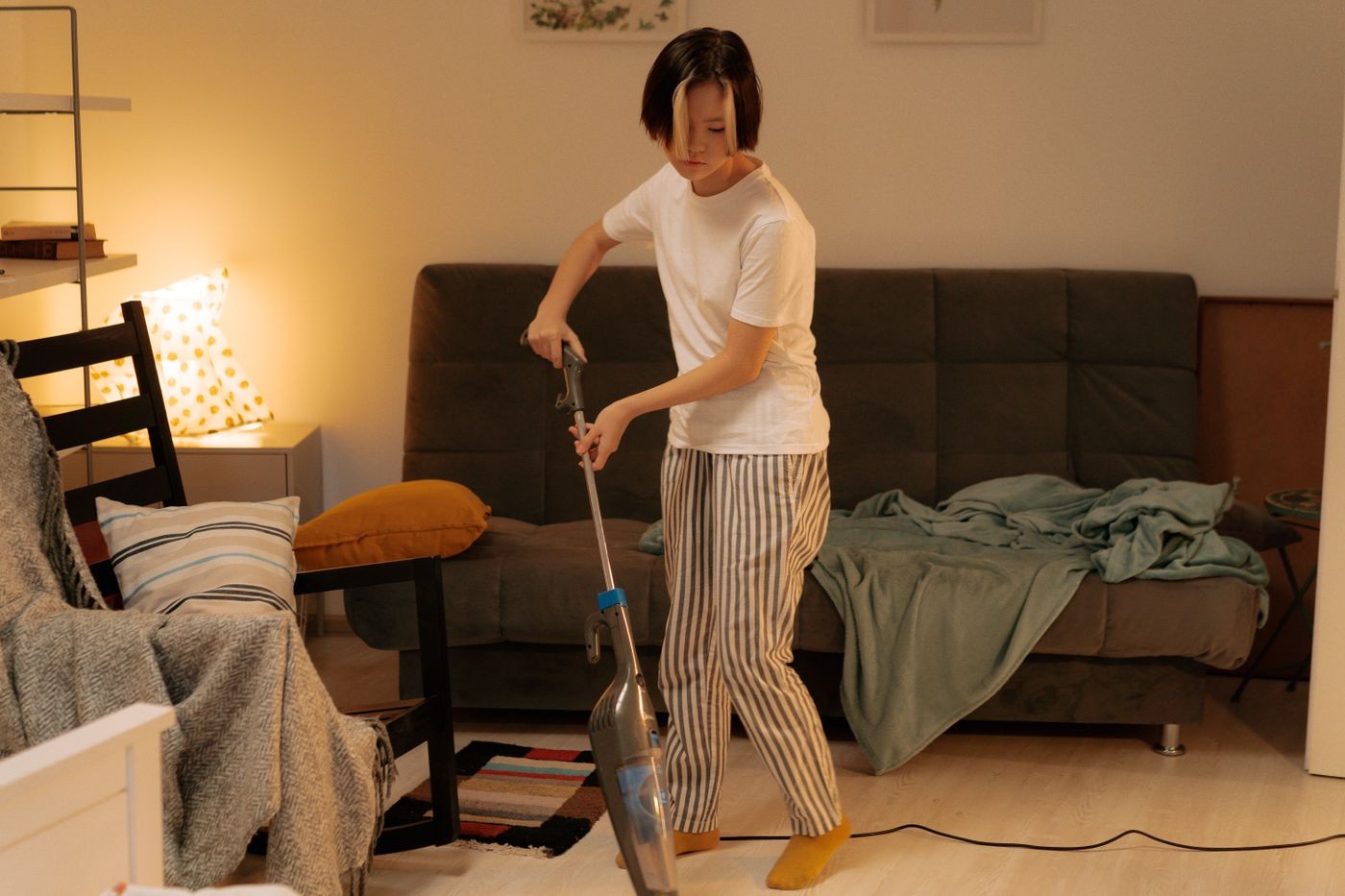
Use tools designed for the task rather than improvised sharp edges or abrasive materials. Follow vacuum instructions, including the attachment and settings appropriate for upholstery. Keep the pet away from equipment if it causes distress or creates a risk during use.
Work with favorite resting places
A washable cover or blanket can protect a commonly used area if the pet accepts it and the furniture permits it. Choose a layer that stays in place without trailing into a walkway. Read its care label before assuming it can join every laundry load.
Keep a spare only if it helps the washing cycle. Too many covers can create a new pile of pet hair and laundry. The useful arrangement is one that can be removed, cleaned, dried, and returned without leaving the seat unusable for long.
Remove loose hair before washing where appropriate
Follow textile and appliance guidance for handling heavily hairy items. Removing loose hair with a suitable dry method can make the later care easier. Do not overload the washer or dryer, and maintain filters or other components according to the appliance instructions.
Separate pet items from other laundry when their condition or care requirements make that appropriate. Keep cleaning tools for pet areas identifiable so a brush used on a pet bed is not automatically used on another delicate household item.
Include routine pet care
Grooming needs differ by species, coat, and health. Follow advice appropriate to the animal rather than choosing a tool simply because it promises less shedding. Ask a veterinarian or qualified groomer if you are unsure about care.
Unexpected coat changes, skin irritation, or excessive hair loss are reasons for professional advice. Household cleaning can manage loose hair on furniture, but it cannot identify the cause of a new health concern.
Keep the routine focused
Use a short pass on the most-used surfaces when needed and a fuller cleaning session at a realistic interval. Store the appropriate tool nearby in a secure place. If every session is becoming long, reconsider the washable layer or the furniture access rather than continually adding more products.
Choose expectations that fit a home shared with an animal. The aim is comfortable, cared-for fabrics and manageable cleaning, not a promise that every stray hair will disappear permanently.