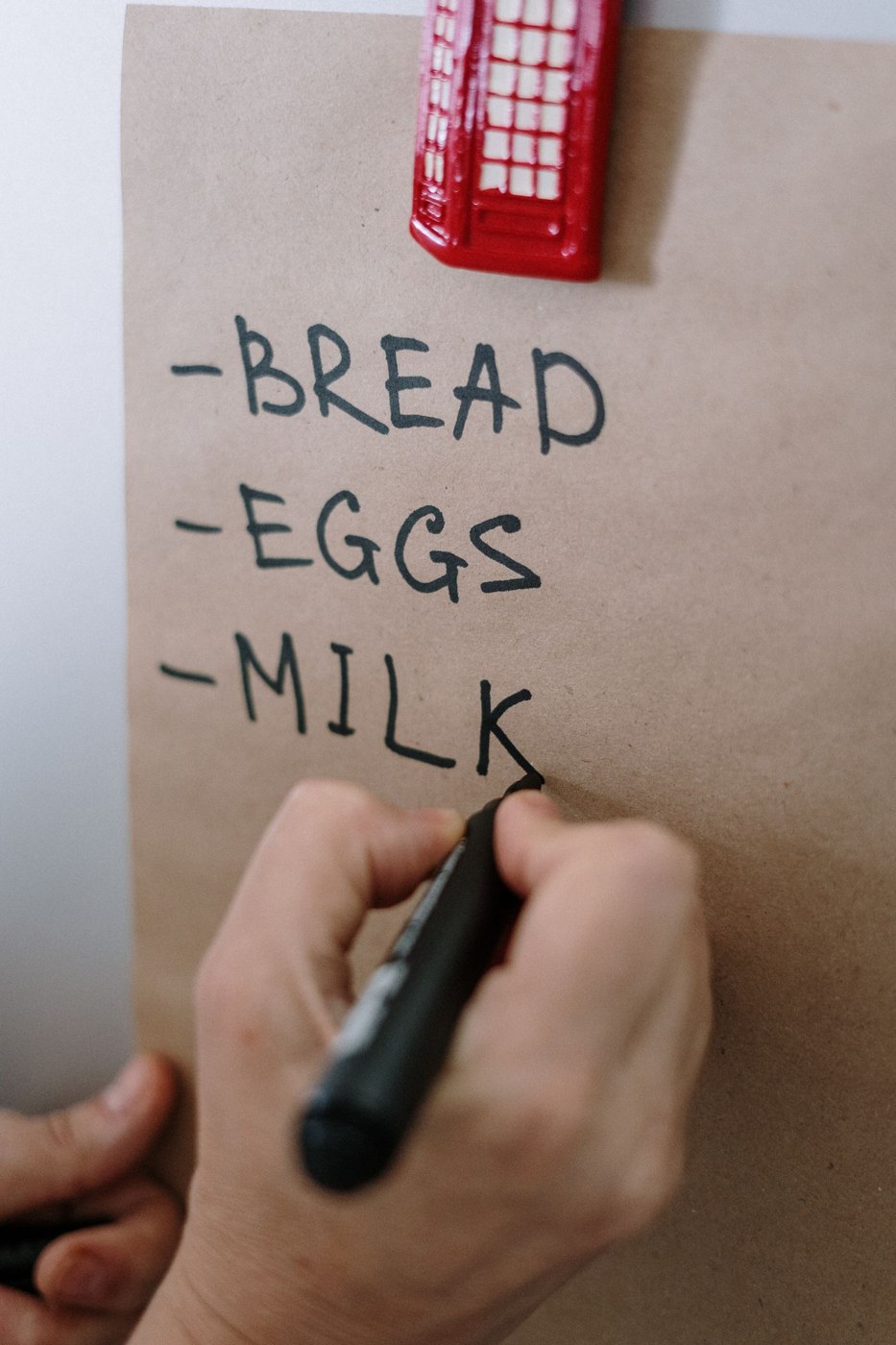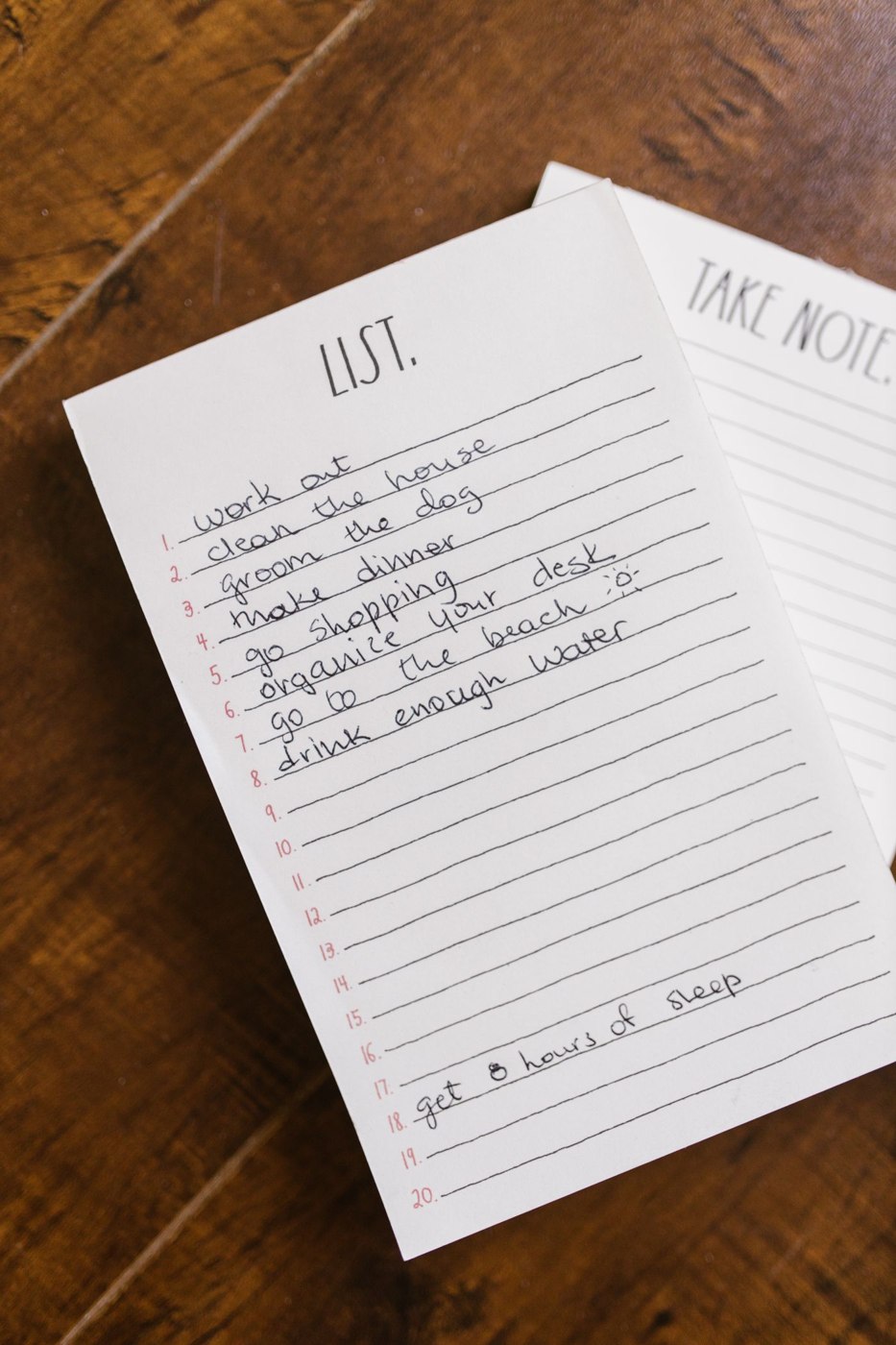
A busy day can contain paid work, caregiving, errands, appointments, and tasks that arrive without warning. Writing all of them on one page does not create the time to do them. Before making a list, look at the fixed parts of the day and the gaps that remain. The list should describe a plausible use of those gaps, not a complete inventory of everything you hope to finish.
Put commitments in first
Note appointments, travel, meals, and responsibilities that already have a place in the day. Leave room for transitions. A task that takes twenty minutes may need more than a twenty-minute gap if materials must be found and put away. Avoid treating travel time or a child's activity as automatically available working time.
Choose a small number of tasks that matter today. Give each a clear endpoint: book the service appointment, sort the documents needed for tomorrow, or wash the uniforms. A broad label such as organize paperwork can hide several separate decisions and become impossible to finish.
Match the task to the opening
Keep a few short tasks available for genuine small gaps, but do not let them displace the one important task that needs a longer period. Group activities that use the same materials or location when it makes sense. If you are already reviewing household mail, handling one related form may be easier than returning to it later.
Check dependencies. You cannot complete a return without the receipt or book an appointment before confirming availability. Write the missing step instead of repeatedly carrying an impossible task forward. Waiting for someone else's answer should be marked as waiting, not as a personal failure to finish.
Leave a visible boundary
Separate today's commitments from a longer list of things to consider. When everything appears under today, optional work can feel overdue by lunchtime. Move a task deliberately if circumstances change and note any genuine deadline. Do not silently let time-sensitive items disappear into a general backlog.
At the end of the day, review briefly. Completed tasks do not need a performance analysis. For unfinished ones, ask whether the estimate was wrong, the priority changed, or an interruption was unavoidable. That information can improve tomorrow's list without turning the list itself into another demanding project.