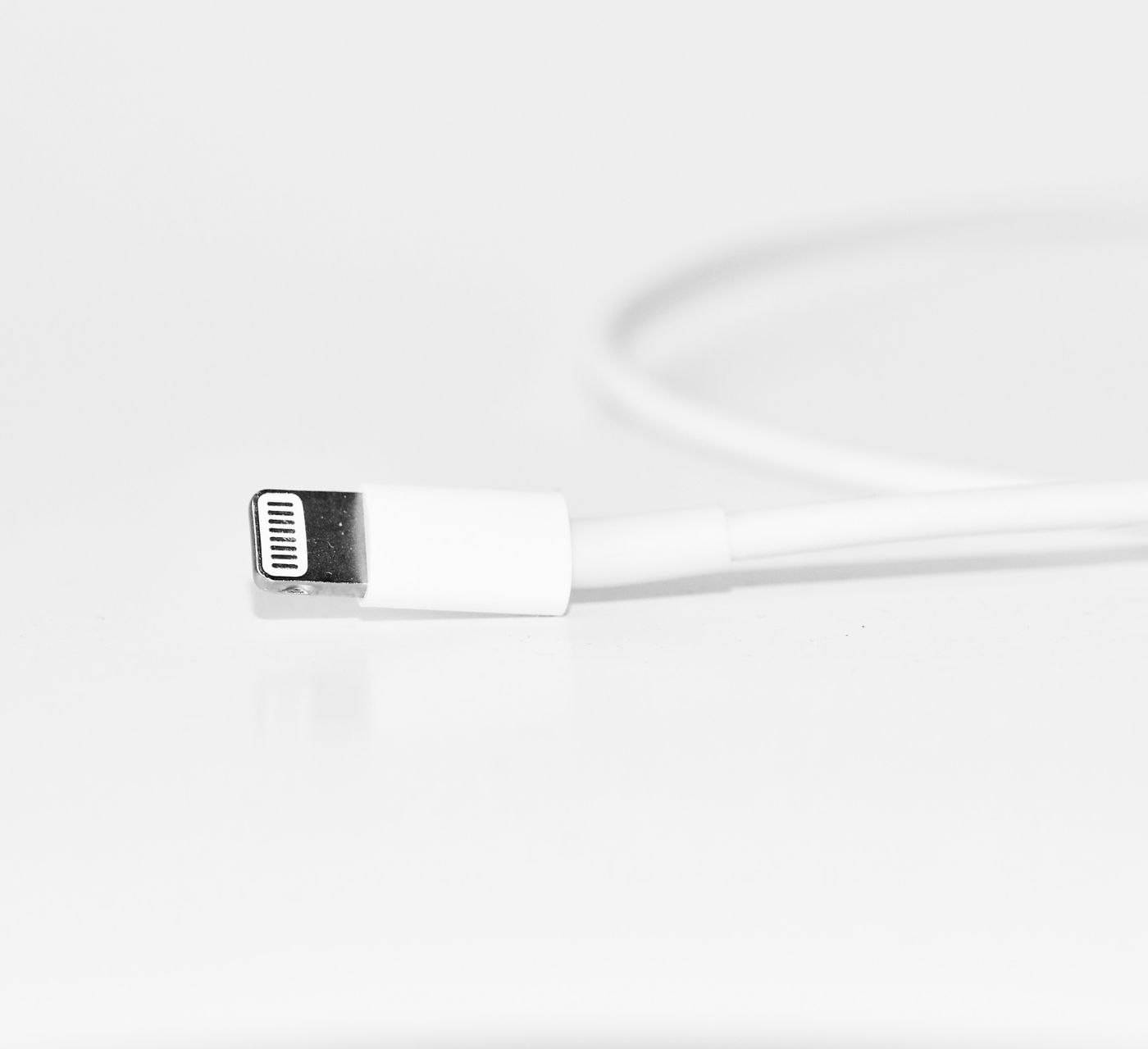
Charging cables tend to follow the shortest route between a device and an outlet. Unfortunately, that route may cross the space between a sofa and a doorway. Start by changing where charging happens, then organize the remaining cable; a decorative cable box cannot solve a badly placed charging station.
Move the destination first
Choose a stable surface near an appropriate outlet, away from the edge of a passage. Check that people can pick up and replace a device without stretching a lead across the room. A shelf beside the sofa may work better than a coffee table in the middle of the walking route.
Discuss what needs to remain within reach. If a phone is needed for accessibility or an essential call, moving it to another room may not be practical. Instead, position the charging surface on the same side of the path as the outlet. Keep the arrangement usable for the person who depends on it.
Audit one charging area at a time
Start with the busiest area and identify each lead before disconnecting anything. Note which device it serves, where the power comes from, and whether the cable has to move during use. There may be three different needs: a phone that leaves the house every morning, headphones that charge occasionally, and a lamp that stays connected. Those items do not all need to occupy the same space or remain connected in the same way.
For example, a phone can charge on a side table beside the outlet while an occasional charger stays in a labeled drawer. The lamp’s cable follows the table’s rear edge without sharing a tightly packed bundle with every spare lead. Test the arrangement by picking up the phone, moving the chair, and opening the drawer. Nothing should pull on another connection or drag a charger onto the floor. Keep the original charger information or device guidance available when deciding what is compatible; the shape of a connector alone is not enough to establish that any power supply is appropriate. Dispose of damaged electrical accessories through suitable local collection routes rather than keeping them as emergency spares.
Secure without concealing problems
Use suitable cable guides on furniture where they will not pinch, sharply bend, or damage a lead. Leave enough slack for normal device movement. Keep connectors accessible so a cable can be unplugged without pulling on its cord. A simple label can distinguish similar chargers in a shared space.
Do not run electrical cords under rugs or through places where furniture or doors can crush them. The US Fire Administration recommends replacing damaged cords and avoiding overloaded outlets. Follow the charger and device instructions, including ventilation requirements; do not bury charging equipment beneath blankets or tightly pack it into a closed container.
Separate storage from active charging
Store unused leads loosely in a drawer or pouch after checking what they belong to. Keep only working cables with a known purpose. This reduces the temptation to try an unidentified or damaged cable simply because it is closest to hand.
Inspect the route after moving furniture or adding a device. A safe arrangement can become awkward when a chair is shifted or a longer cable is borrowed. If an outlet is repeatedly too far from where equipment must be used, ask a qualified electrician about a permanent solution rather than extending a temporary workaround indefinitely.