A hobby can disappear from the week because it seems to require a long uninterrupted session. Some activities do need substantial setup, but others can be divided into smaller pieces without losing their meaning. Look at the activity itself before assuming that fifteen or twenty available minutes are useless. The question is what can be enjoyed or advanced within that time, including putting things away.
Separate stages of the activity
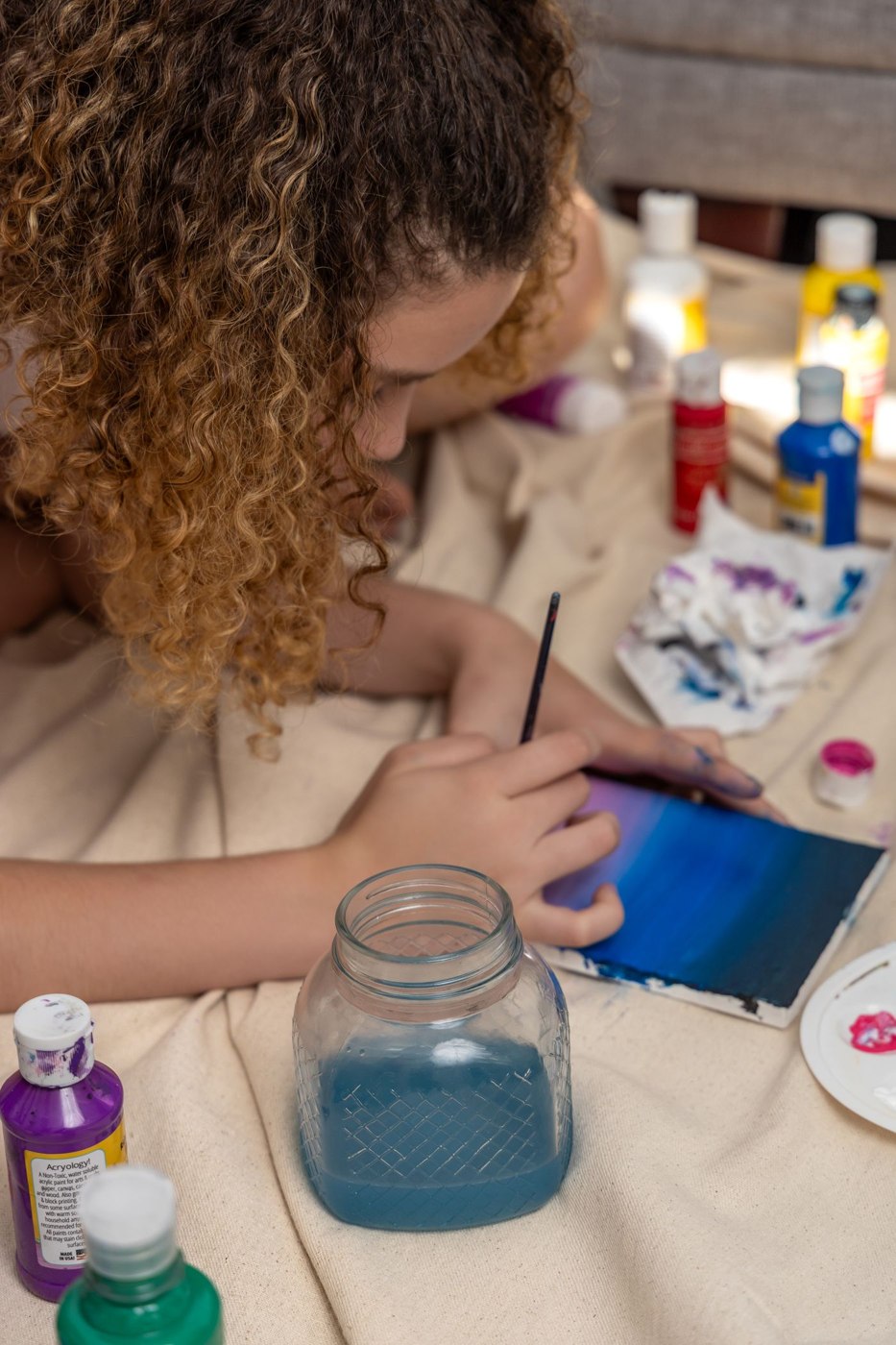
Reading, sketching, practicing a passage, sorting photographs, or planning a sewing step can fit different amounts of time. Identify a small stage that feels worthwhile to you. Do not reduce the hobby to administrative preparation every time; some of the available blocks should contain the activity you actually enjoy.
Keep necessary materials together where appropriate. A portable box or folder can reduce setup, provided tools and materials are stored safely around children and pets. Avoid leaving sharp, hot, toxic, or otherwise hazardous equipment accessible merely to save a few minutes next time.
Choose an attainable place in the week
Look for a period that is usually available rather than a perfect imagined gap. It might be after lunch on one day or before a regular evening activity. If the household shares responsibilities, discuss the time openly. Hobby time should not rely on another person unknowingly absorbing the work.
Give yourself permission to use the block even if every chore is not complete. A home continually produces more tasks. Waiting for an entirely empty list can mean the hobby never begins. Essential responsibilities still matter, but optional tidying does not have to occupy every free interval.
Leave a good return point
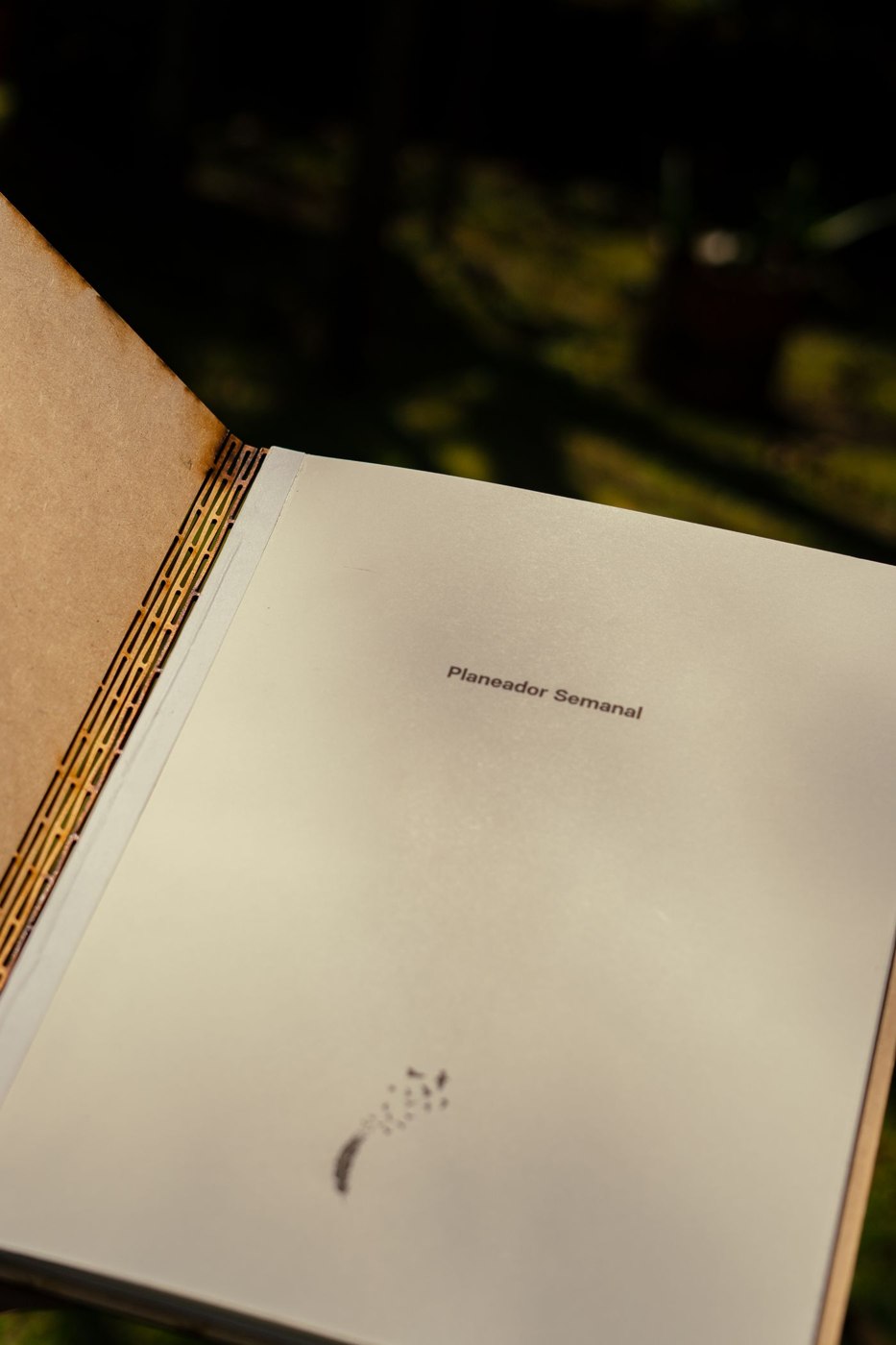
Stop with enough time to make materials safe and note the next step. A sentence about the page, stitch, or idea to resume can prevent the next session from being spent reconstructing your place. Store work so it is not damaged when the room returns to shared use.
If short blocks feel frustrating rather than enjoyable, reserve a less frequent longer session instead. The purpose is participation in something you value, not proving that every spare minute can be optimized. Let the size of the time block serve the hobby and the person doing it.