Putting a phone outside the bed is easier when it has a specific destination. “Use it less” leaves the device on the pillow while you decide what to do next. A shelf, desk, or charging spot elsewhere can create a clearer boundary, provided it works with the reasons you need the phone nearby.
Name the functions you still need
List the essentials before moving anything: an alarm, contact from a family member, accessibility software, or a medical device connection. These functions may require the phone to stay within reach. The arrangement should support those needs rather than treating distance as the only successful outcome.
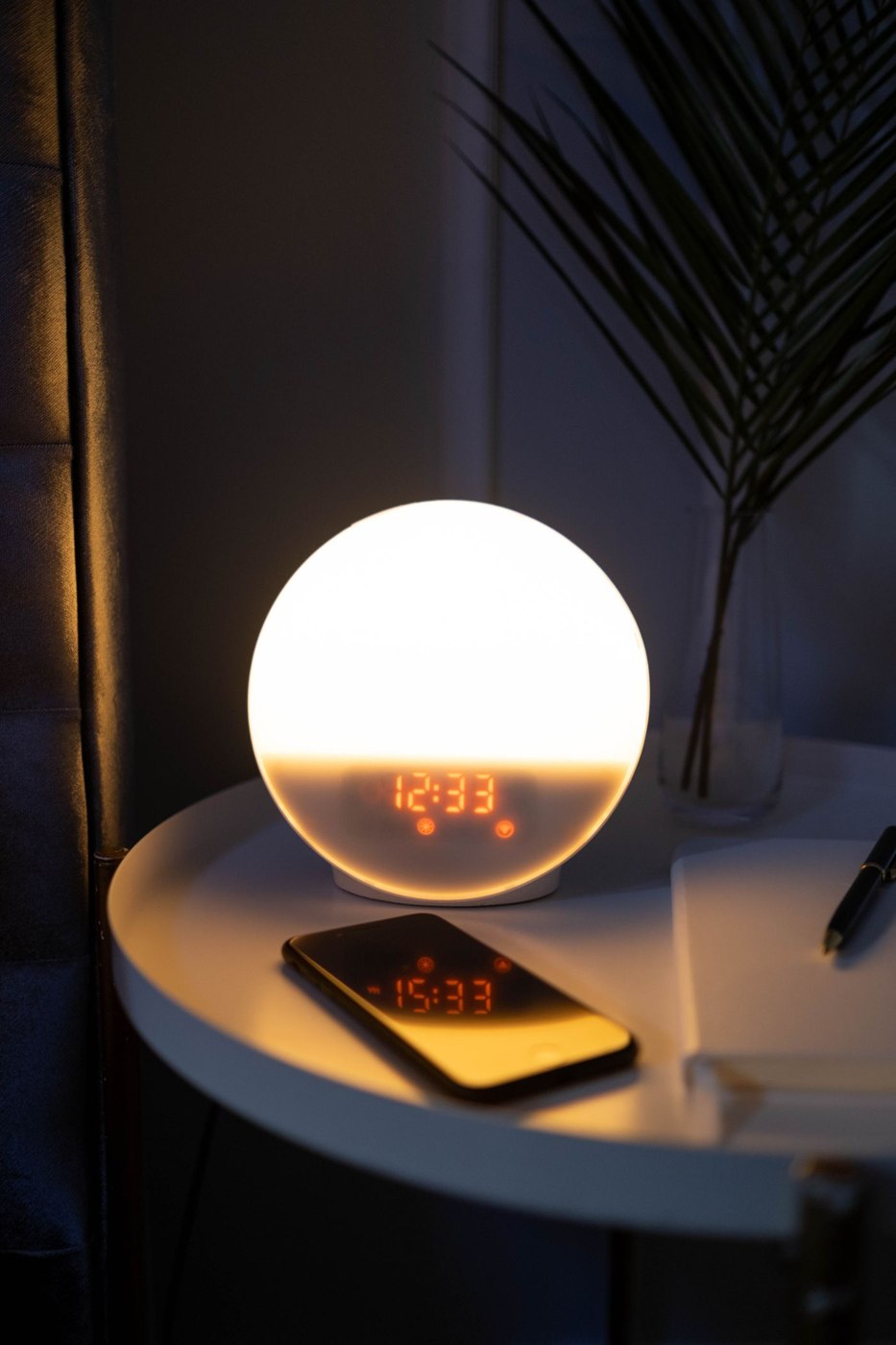
If an ordinary alarm is the main reason for keeping the phone beside the bed, an existing clock may already solve the problem. Test its volume and controls in advance. Avoid creating a new purchase requirement when a small change in location would be enough.
Make the destination easy to use
Choose a stable, dry surface near a suitable outlet, where the device can charge according to its manufacturer’s instructions. Keep it out from under pillows and bedding. Route the cable so it does not cross a walking path or become trapped beneath furniture.
Put the phone there at a recognizable point in the evening, perhaps after checking tomorrow’s calendar. If you need a final message check, make that deliberate rather than leaving an open-ended stream of notifications. Settings that limit nonessential alerts can support the arrangement, but test that required contacts still come through.
Keep a nearby alternative for the habitual reach
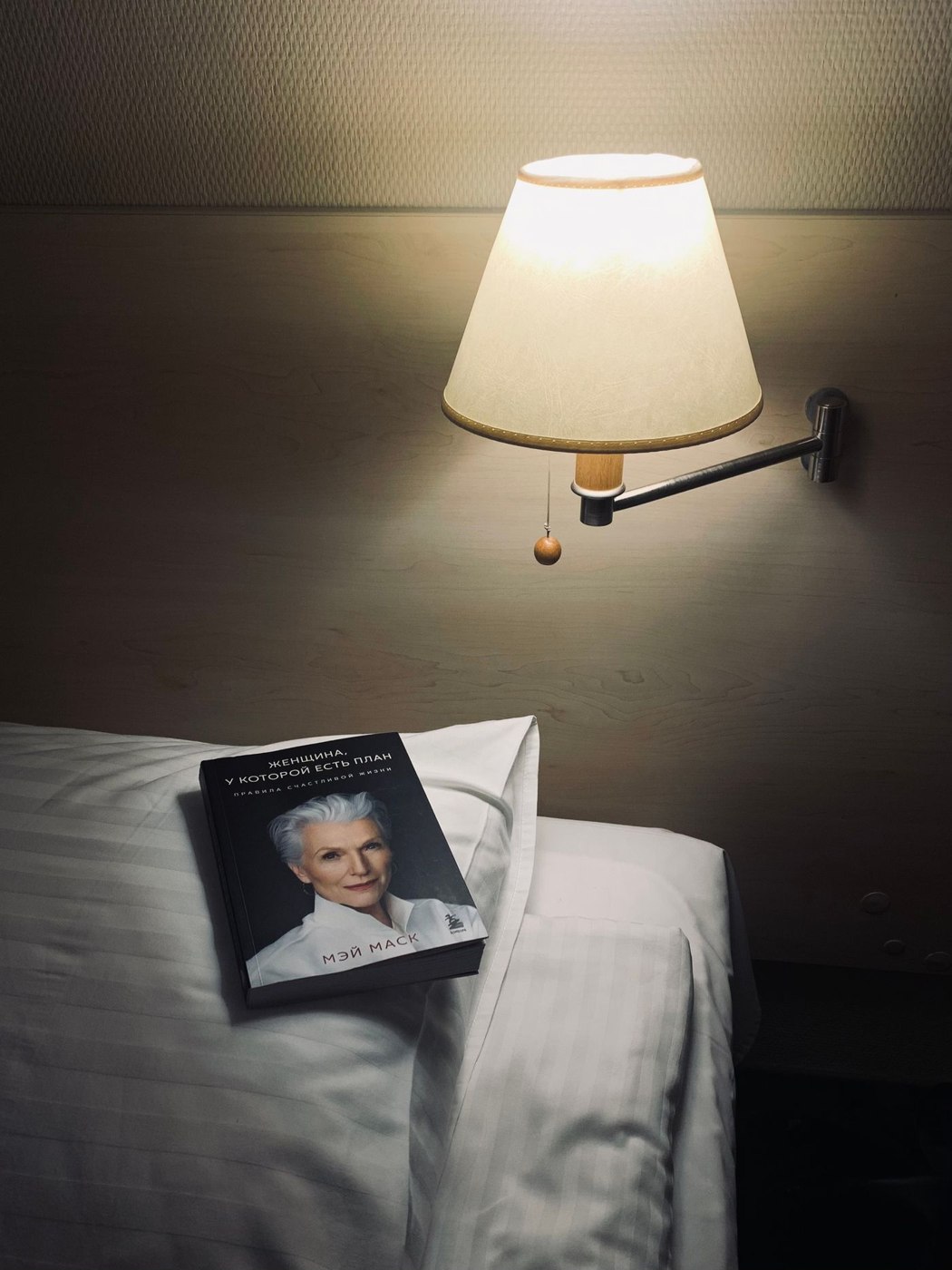
A book, paper notepad, or audio device with a simple timer may replace a particular phone use. Choose the substitute for what you actually do. A notebook helps with remembering tomorrow’s task; it does not replace a necessary call or an accessibility tool.
Expect the location to need adjustment. Across the room may be sufficient, or a common-area shelf may work better. If you keep returning the phone to bed to check the time, move a clock into view or reconsider whether the chosen setup solves the original problem. The useful measure is whether the evening becomes less interrupted, not how far the phone travels.