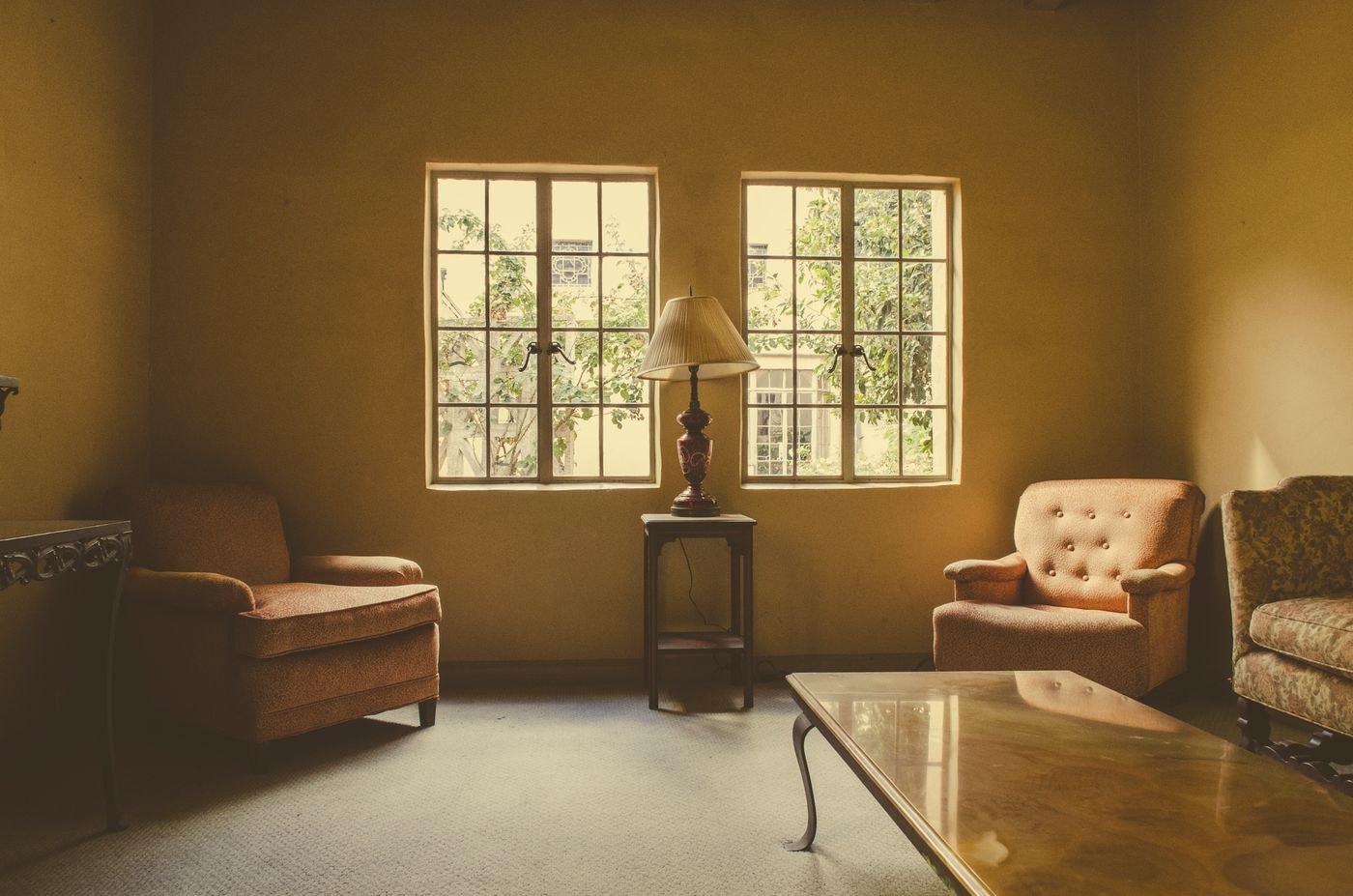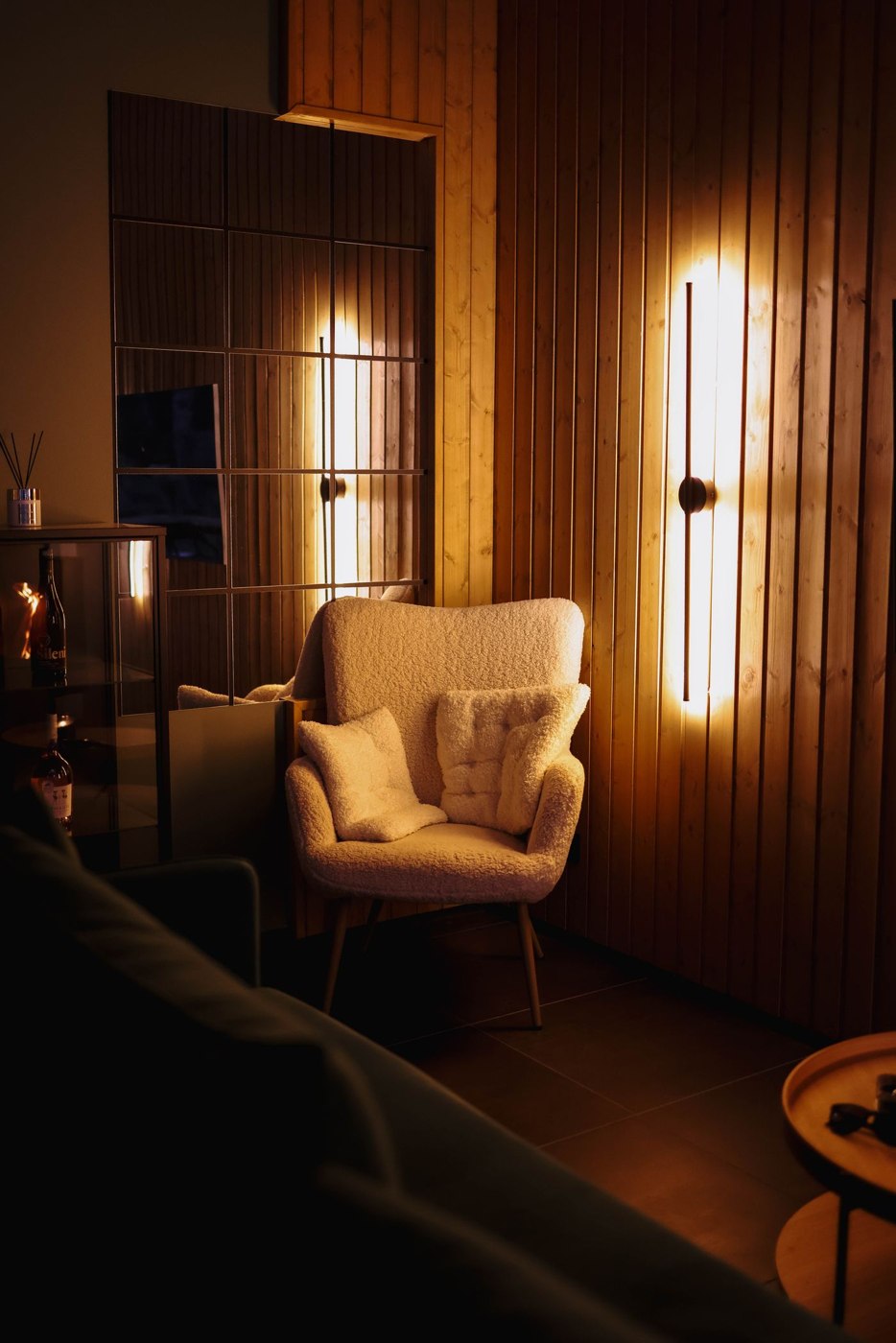
A comfortable corner earns its place through use. It might be where you drink tea before the house gets busy, mend a shirt, or sit while someone else cooks. Before buying a chair, try the furniture already available and see which location actually draws you back.
Choose the moment before the furniture
Think about when you want to use the corner. Morning daylight may matter for a breakfast pause, while an evening reading spot needs a reachable lamp. A chair beside a busy doorway may look appealing but offer little opportunity to settle. Notice conversations, television sound, and movement through the room at the relevant time.
Borrow a chair from another room for a short trial. Sit in it with the activity you have in mind rather than judging it from across the room. Check whether your feet rest comfortably and whether getting up is straightforward. A deep lounge seat and an upright dining chair serve different purposes.
Give everyday objects a stable landing place
A small table should hold what you actually bring: perhaps a mug, glasses, and a book. Try reaching it from the chair without leaning awkwardly. An existing stool can work if it is stable and not needed elsewhere during the same period. Avoid balancing hot drinks on a soft cushion or an uneven stack of magazines.
Place the light where your hands and reading material need it. Sit down before deciding its final position; a bare bulb that seems unobtrusive when standing can shine straight into your eyes. Keep the cord clear of the route into the chair and leave the switch easy to reach.
Leave enough room for ordinary life
The corner should not narrow a passage or stop a cupboard opening. Include space for the chair to move when someone sits down. If it becomes a bag drop by the second day, give those bags another usable home instead of repeatedly clearing them onto the floor.
Add a blanket or cushion only when it solves a comfort problem. A collection of decorative extras can turn the seat into something that needs dismantling before use. After several days, keep the arrangement that works and return unnecessary pieces to their usual places. A modest corner that is ready when needed is more useful than a complete furniture grouping that stays empty.