When several people enjoy houseplants, each may assume someone else is caring for them—or water the same pot on the same day. A clear care arrangement solves both problems. Start by identifying each plant and its needs using a reliable care source. Then agree who will observe it, who will act and how another person will know what has already happened.
Assign observation, not just watering
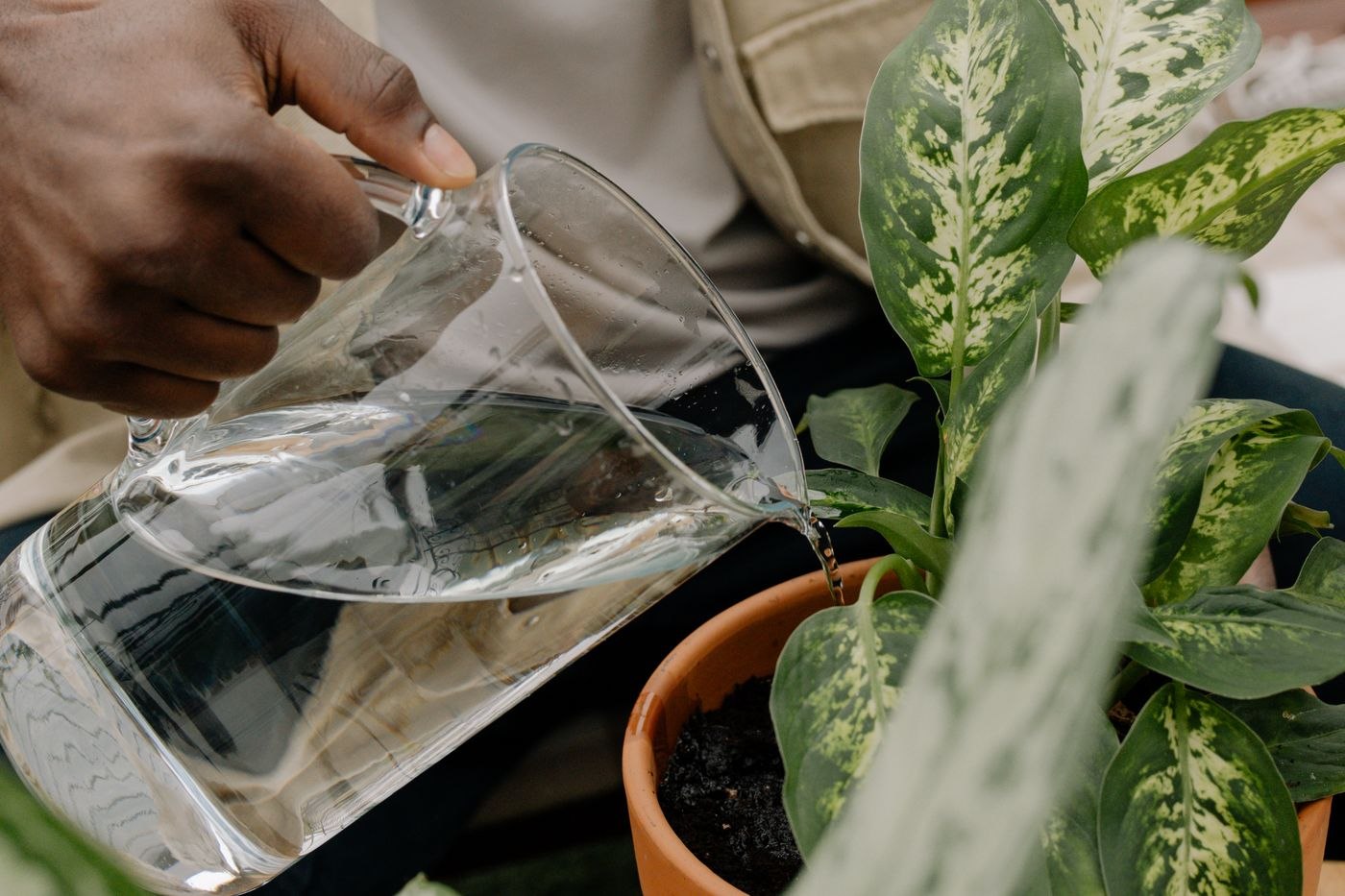
Plant care is more than delivering water on a fixed day. Different plants and growing conditions call for different care. Give a person responsibility for checking the relevant conditions and following suitable guidance, rather than asking everyone to water whenever they happen to remember.
Keep the information near enough to be useful. A simple note can connect the plant's identity with its care instructions and the person responsible. Avoid detailed schedules that look authoritative but have not been matched to the plant, pot and location. If the plant's identity is uncertain, resolve that before relying on generic advice.
Agree on how to cover an absence
Before travel or an unusually busy week, name a temporary caretaker and show what needs checking. Explain the equipment, drainage arrangement and any recent care. A photograph or short note identifying the pots can prevent confusion when several plants look similar.
Do not assume that someone wants to take on the task because they are home. Ask and agree on a manageable responsibility. If no one is available, choose an appropriate alternative based on reliable plant guidance rather than improvising a watering device that has never been tested in that setting.
Record the useful event
A brief record of watering or another significant action can help where responsibility is shared. It does not need to become a plant diary with daily measurements. The useful question is whether the next person can tell what was done and whether they need to act.
Keep the household context in mind. Place plants and supplies where they do not block movement or create accessible hazards for children and pets. Before bringing a plant into a home with animals, check its identification and toxicity with a reliable resource. Attractive appearance alone does not establish suitability.
Discuss changes before making them
Moving a plant can alter the conditions its caretaker is monitoring. If someone rearranges the room, include the plants in that conversation rather than shifting them silently to a darker shelf. Likewise, tell the household before adding more plants to the shared care list.
If care repeatedly falls through, simplify the collection or the division of work. The solution may be fewer responsibilities rather than more reminders. A small arrangement that people understand is easier to maintain than a collection whose needs are shared only in theory.